New Development Projects Transform First-Time Buyer Landscape Across Hong Kong's Key Districts
As major residential schemes reshape neighbourhoods from Tseung Kwan O to Kai Tak, first-time buyers must understand how location infrastructure and mortgage support can unlock previously out-of-reach markets.
This article was generated by AI from the linked public sources. The Daily Hong Kong is independently owned and covers Hong Kong news free from advertiser or sponsor influence. Read our editorial standards →
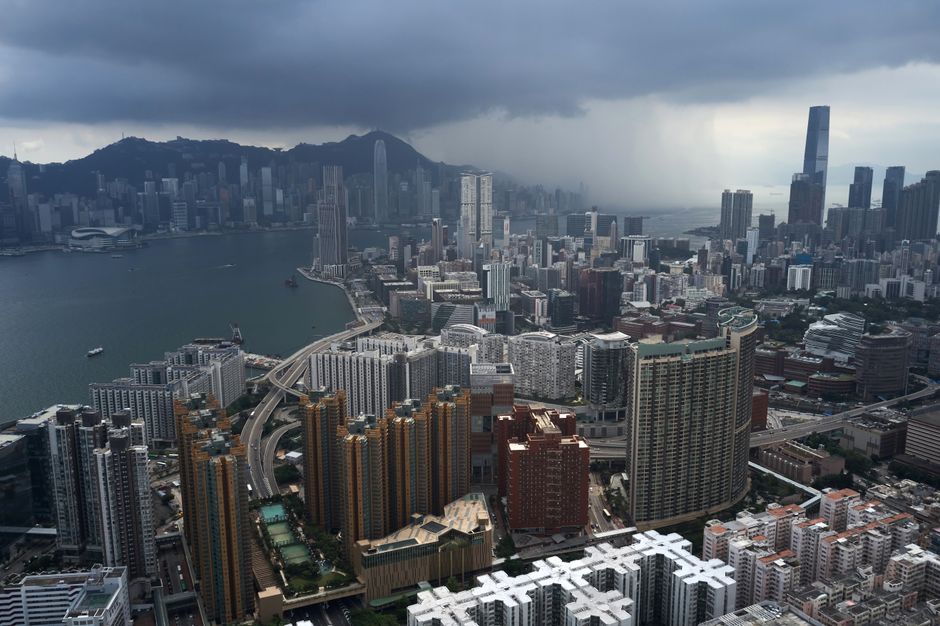
Hong Kong's property landscape is shifting beneath first-time buyers' feet. With the median flat price hovering between HKD 8–10 million, newcomers have traditionally looked to the New Territories for affordability. Today, that calculation is changing—and new development projects are the reason why.
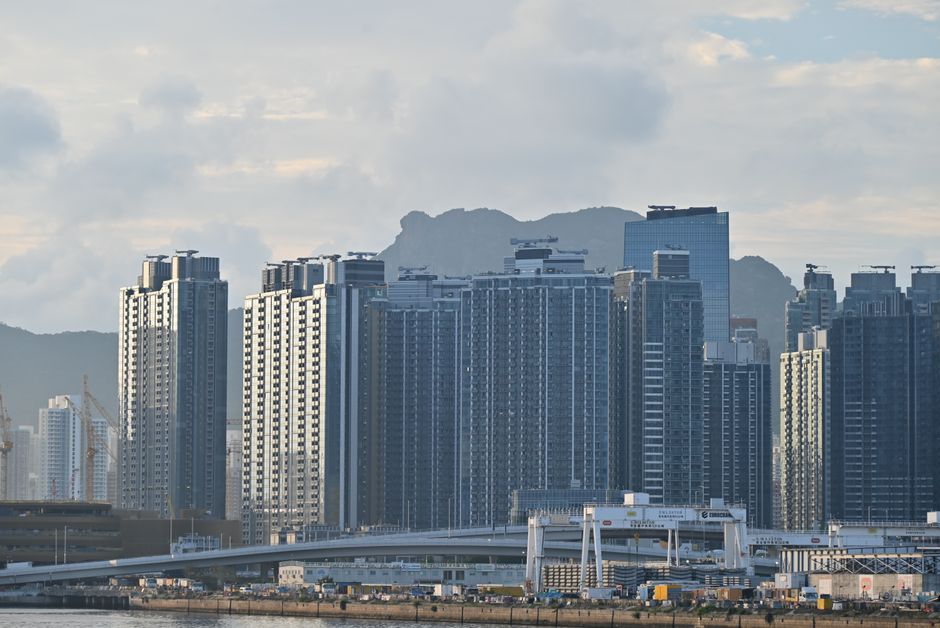
The Kai Tak Development, one of the city's most ambitious urban regeneration schemes, is reshaping the Eastern Kowloon waterfront. Upon completion, the area will offer mixed-income residential options alongside new MTR connectivity, expected to reduce travel times to Central by half. For first-time buyers, this matters enormously. A unit in the early phases, priced around HKD 6–7 million, suddenly becomes accessible when commute times shrink and neighbourhood amenities—from the planned cultural precinct to Victoria Harbour vistas—add tangible value.
Similarly, the Tseung Kwan O expansion continues to attract younger buyers. New projects near the MTR extension, completed in 2024, have stabilised prices in the HKD 5–6 million bracket for compact two-bedroom units. Government First-Time Buyer Scheme support, offering down-payment assistance up to 15 per cent for qualifying applicants, has made these schemes particularly attractive.
The strategic value of infrastructure-linked developments cannot be overstated. When MTR Lines reach new areas—as with the Northern Link serving the New Territories—property fundamentals shift. Schools, shopping centres, and healthcare facilities follow. A buyer in Fanling or Sheung Shui five years ago saw their HKD 4 million purchase appreciate as connectivity improved. Today's first-time buyers eyeing emerging precincts like the Yuen Long expansion zones understand this pattern.
Financing has also evolved. Beyond traditional mortgage routes, the Real Estate Development Council's enhanced guidelines now permit buyers with stable employment to access up to 85 per cent loan-to-value ratios in designated new developments—a significant shift from the 80 per cent standard. Combined with reduced stamp duty rates for first-time foreign buyers and extended repayment periods for HK residents, the maths increasingly favours timing purchases alongside infrastructure arrivals.
Yet caution remains warranted. Oversupply in certain pockets—empty land sold speculatively rather than developed—signals volatility. Buyers should verify realistic completion timelines and established transport links rather than betting purely on future promise.
For those entering the market now, the message is clear: new developments aren't merely about new buildings. They're catalysts reshaping entire districts' economic fundamentals. Understanding where these projects land, and when their infrastructure backbone arrives, remains the shrewdest first-time buyer strategy in 2026's market.
This article was compiled by AI from the sources linked above and screened before publishing. See our editorial standards.
Covering property in Hong Kong. This article was generated by AI from the linked sources and was not reviewed by a human editor before publishing. See our editorial standards.