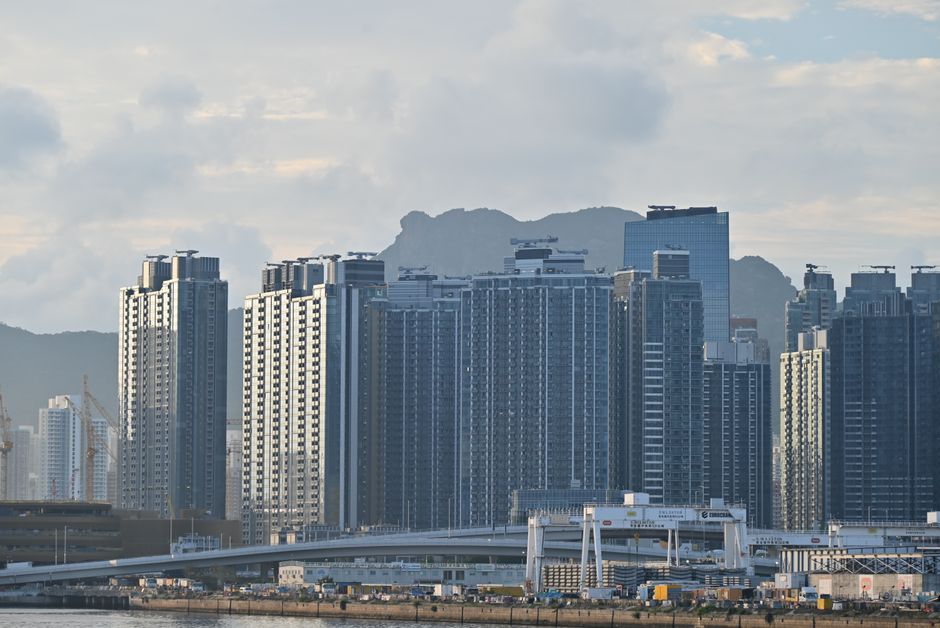
The transformation of Kai Tak is no longer theoretical. With the Sports Park and Entertainment District now under construction, South Kowloon is entering a critical window that will define housing affordability for an entire generation of middle-income earners.
Current data paints a crowded picture. Median flat prices across Kowloon hover around HKD 8–10 million, with Mong Kok and Hung Hom commanding premium rates for ageing walk-ups. Yet the incoming residential supply—projected at over 3,500 units from the Kai Tak Comprehensive Development area alone—promises to fragment the market in unexpected ways.
Preliminary pricing strategies from developers already signal divergence. Units in the first phases of the Kai Tak residential towers are positioned at HKD 9–11 million for mid-sized flats, undercutting Peak and Mid-Levels luxury but mirroring—or marginally beating—resale prices in Wong Tai Sin and Kowloon Tong. The question isn't whether new supply exists, but whether it addresses the gap below HKD 7 million where first-time buyers actually cluster.
Adjacent areas are bracing for secondary effects. Ho Man Tin, historically Kowloon's working-class stronghold, has already seen 8–12% annual appreciation over the past two years as buyers arbitrage between ageing stock and the promise of new metro links serving Kai Tak. Similar dynamics are rippling through San Po Kong and Lam Tin, where older estates suddenly feel closer to emerging transport hubs.
The New Territories hasn't escaped notice either. Sha Tin and Tai Po continue attracting overflow demand, particularly young families priced out of Kowloon proper. The median there sits closer to HKD 6–7 million, making the 45-minute commute to Central increasingly rational for professionals content with suburban trade-offs.
Yet supply alone won't solve affordability. The Kai Tak scheme requires buyers to absorb higher construction costs, environmental remediation, and—critically—competitive stamp duty still favours local buyers over overseas investors, despite recent easing. Early data from comparable districts suggests new towers achieve occupancy within 18 months, but secondary-market pressure on surrounding neighbourhoods typically persists for three to five years post-completion.
The real test arrives in 2027–2028 as the first phases of Kai Tak flats hit the market alongside the MTR extension's completion. If pricing stabilises below HKD 10 million for a 500–600 sq ft unit, the project may genuinely absorb middle-market demand and ease pressure across South Kowloon. If not, Hung Hom and Mong Kok risk becoming the domain of investors and ultra-pragmatic downsizers—a familiar Hong Kong story with new geography.
This article was compiled by AI from the sources linked above and screened before publishing. See our editorial standards.