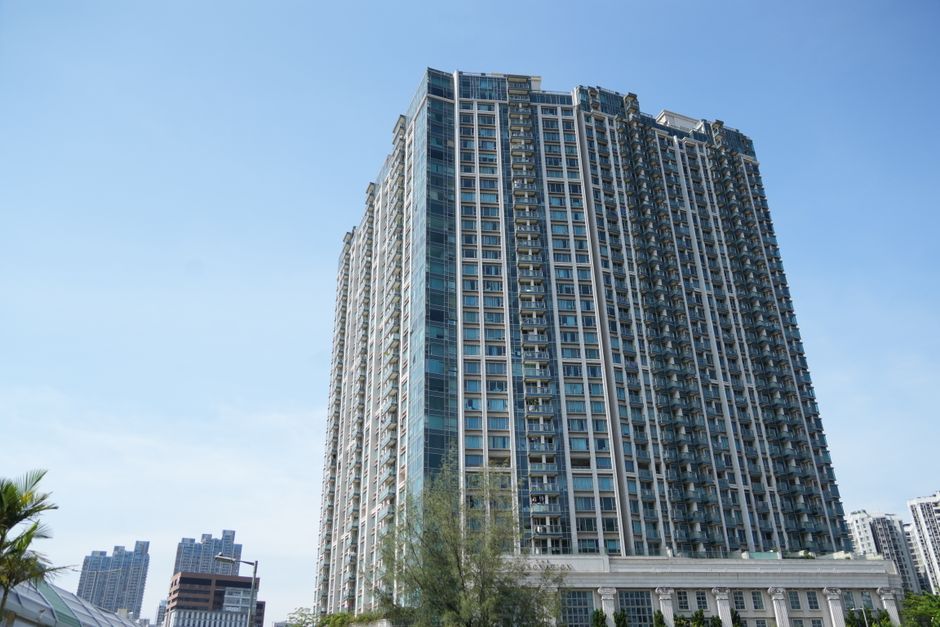
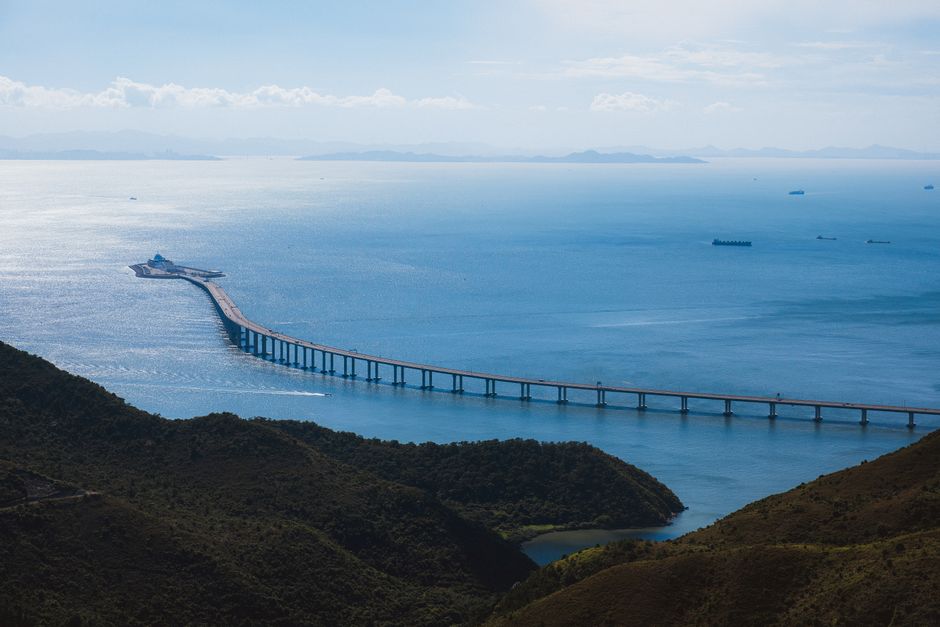
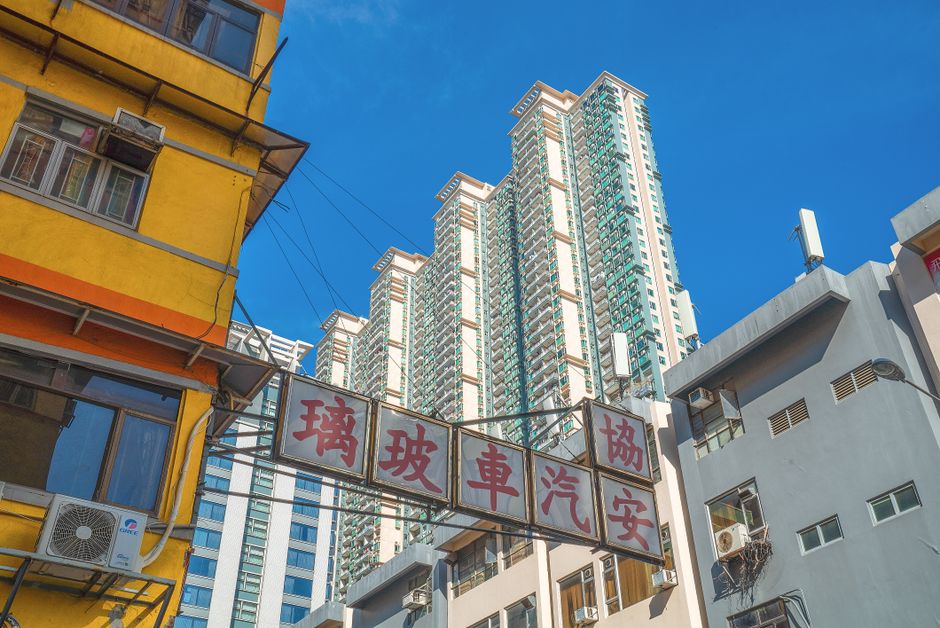
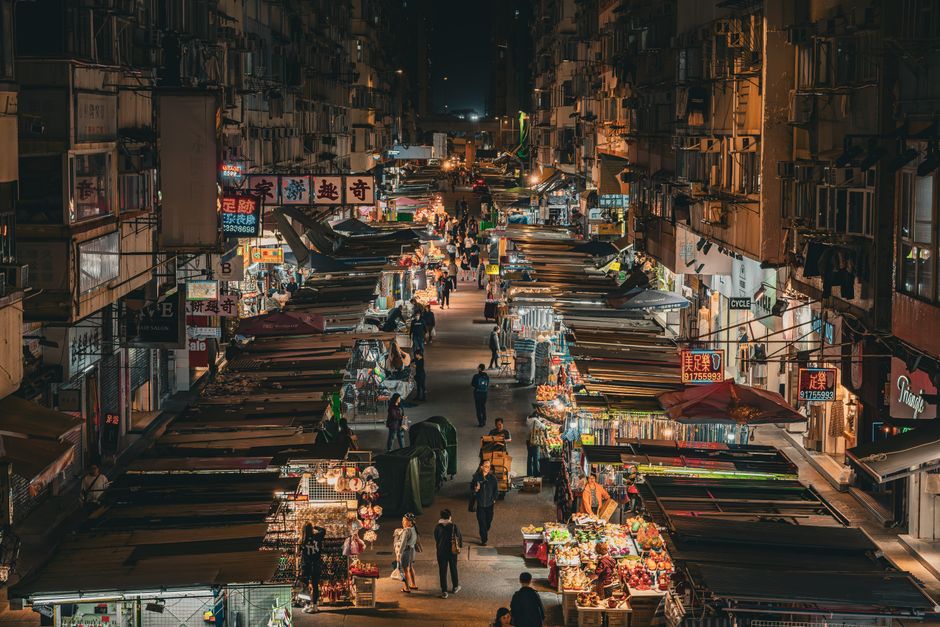
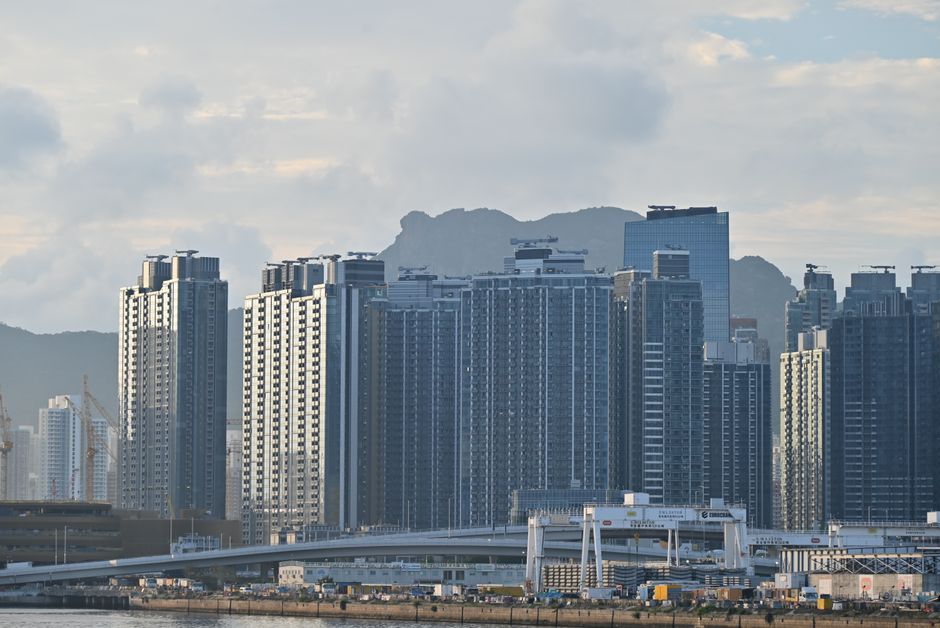
Hong Kong's property landscape rarely stands still, and 2026 is proving no exception. As traditional luxury hotspots like the Peak and Mid-Levels face saturation, savvy investors are turning their attention to emerging neighbourhoods where major infrastructure projects are quietly reshaping entire communities.
The Northern New Territories corridor has emerged as a compelling case study. With the West Rail Line extension nearing completion and new commercial hubs materialising along Tuen Mun Road, properties in zones previously considered peripheral are attracting serious attention. Recent transactions in nearby Siu Hong Estate have hovered around HKD 6-7 million for mid-sized flats—significantly lower than Kowloon equivalents, yet increasingly popular with commuters and families seeking value.
More intriguing is the Lohas Park environs in Tseung Kwan O. The completion of the Eastern Corridor toll reduction scheme has improved connectivity to Central and Wan Chai considerably. Developers including Henderson Land and New World have quietly acquired sites around the MTR station, signalling confidence in demand. Secondary market data suggests prices in the precinct have risen approximately 12-15% over the past 18 months, driven partly by young professionals relocating from cramped Mong Kok and Causeway Bay apartments.
In Kowloon, the redevelopment push along Cheung Sha Wan Road has caught attention. The district's proximity to the MTR and emerging creative sectors around nearby Sham Shui Po have attracted both residential and mixed-use projects. Properties here—historically among Hong Kong's most affordable—now command median prices around HKD 5-6 million, a 20% increase from 2024.
What makes these areas compelling is not nostalgia, but fundamentals. The Government's easing of stamp duty for foreign investors earlier this year has catalysed international interest in well-positioned secondary locations. Combined with extended MTR accessibility and improving retail offerings—new shopping malls and dining precincts are materialising in Tuen Mun and Tseung Kwan O—these neighbourhoods are graduating from bedroom communities to genuine lifestyle destinations.
For investors evaluating entry points, the calculus is straightforward: while median flat prices across Hong Kong hover between HKD 8-10 million, these emerging areas offer exposure to infrastructure-backed growth at 30-40% discounts. The risk, naturally, lies in timing. Over-extension is always possible. Yet developers' sustained investment suggests institutional confidence in sustainable demand.
The property market's next windfall may not emerge from Peak penthouses, but from patient capital positioned along carefully chosen development corridors in the territories beyond.
This article was compiled by AI from the sources linked above and screened before publishing. See our editorial standards.