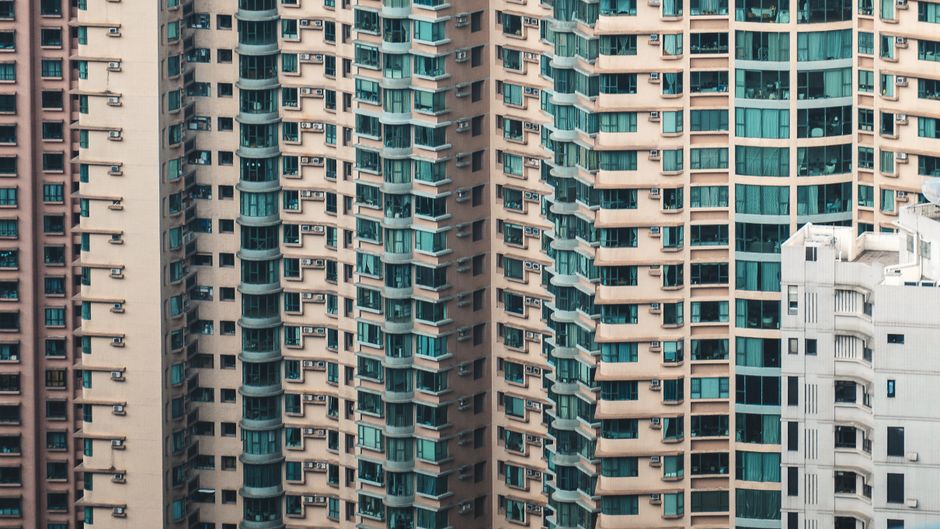
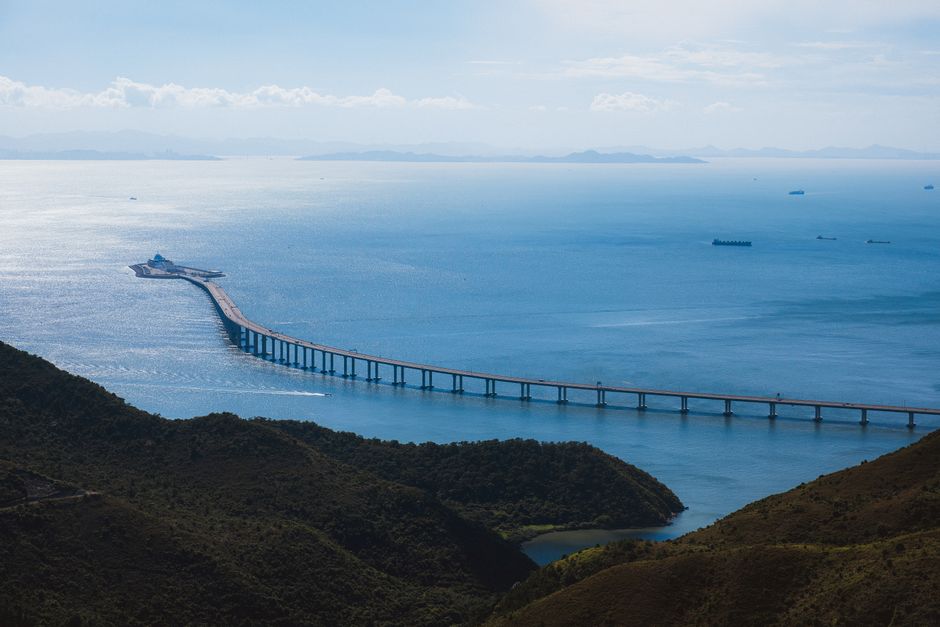
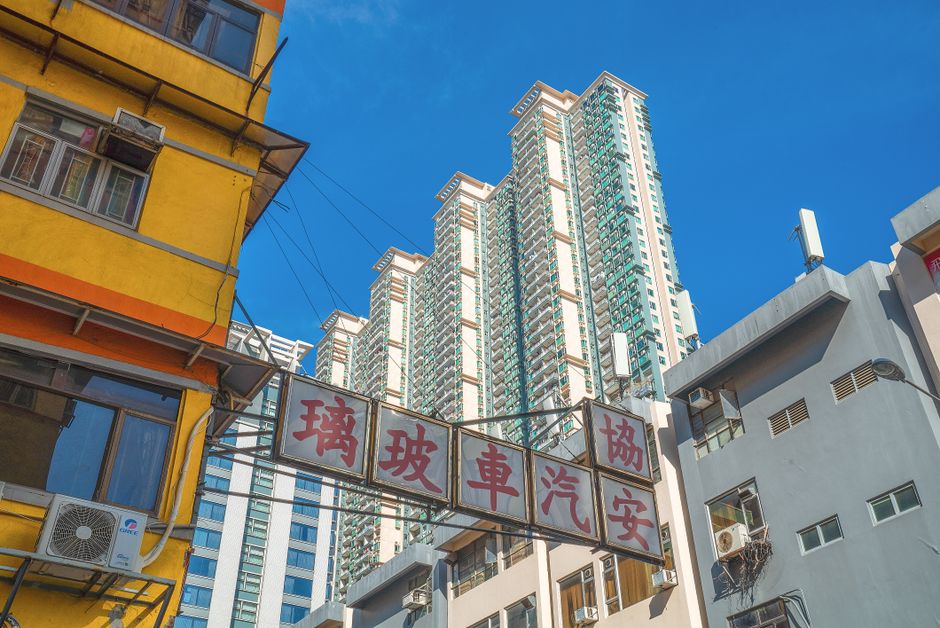
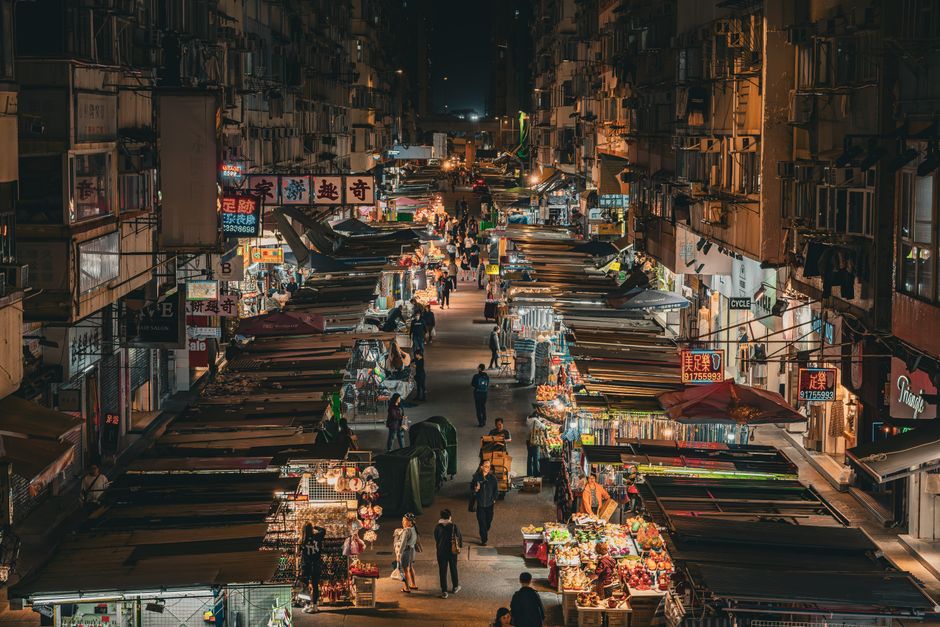
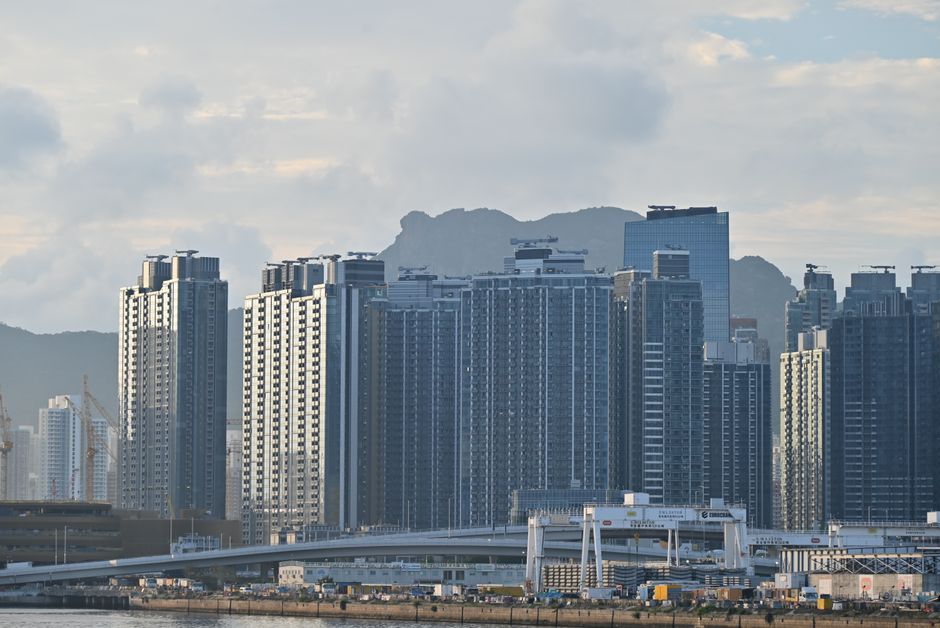
Hong Kong's property market is sending mixed signals to developers weighing their next moves. While recent government land auction results have disappointed—with clearance rates hovering near historic lows—price data from completed residential projects and pre-sale markets reveal a market still hungry for quality new supply, particularly in underserved corridors.
The disconnect is stark. Last month's New Territories industrial land parcel at Tuen Mun failed to attract competitive bidding despite its strategic logistics proximity, yet simultaneously, pre-sale units in the MTR-adjacent Kai Tak development corridor are commanding HKD 45,000 to HKD 52,000 per square foot. That's a telling indicator: location and connectivity trump raw acreage in developer calculus.
Data from the Urban Renewal Authority and Housing Authority reveals a crucial pivot. Developments approved in the past eighteen months cluster heavily around established transport nodes—Kowloon Bay, Areas 86 and 87 in Tseung Kwan O, and the Eastern Corridor precincts. Meanwhile, peripheral New Territories sites that would have attracted aggressive bidding in 2023 are languishing. Developers are effectively saying: we'll pay premium prices for prime MTR locations, but speculative greenfield plays no longer justify the capital outlay.
Recent auction outcomes support this. Land parcels in Lantau and the Northwest New Territories have seen realistic reserve prices—or been withdrawn entirely—after initial undersubscription. A 1.2-hectare site near Tuen Mun last quarter sold for nearly HKD 2 billion, but that's below developer expectations from two years prior. Adjusted for inflation and opportunity cost, it signals contraction in speculative appetite.
Yet construction approval pipelines remain robust. The Building Department has green-lit 23 major residential schemes across the territory in Q1-Q2 2026 alone, concentrated in Kowloon East, Wong Chuk Hang, and North Point regeneration zones. Prices at comparable nearby completions—typically HKD 9-11 million for mid-tier family units—suggest developers believe fundamentals remain sound, just regionally selective.
Foreign buyer appetite, bolstered by recent stamp duty concessions, is also reshaping approvals. New projects in Mid-Levels and The Peak command premium land costs, yet developers continue acquiring sites; international interest in established prestige addresses remains undiminished despite global economic headwinds.
The pattern is clear: Hong Kong's next construction wave will be defined by transport accessibility and brand recognition, not speculative landbank accumulation. Developers reading the auction results correctly are repositioning capital toward completed infrastructure zones. For the territory's planning authorities, the signal is equally important: supply constraints will persist in mobility-rich areas while peripheral land struggles to find takers at pre-2024 price points.
This article was compiled by AI from the sources linked above and screened before publishing. See our editorial standards.