The rental market in Hong Kong has entered a period of unusual tension. While median flat prices hover around HKD 8–10 million, the cost of leasing has become a more immediate flashpoint for both tenants struggling to secure affordable housing and landlords navigating tighter margins and regulatory scrutiny.
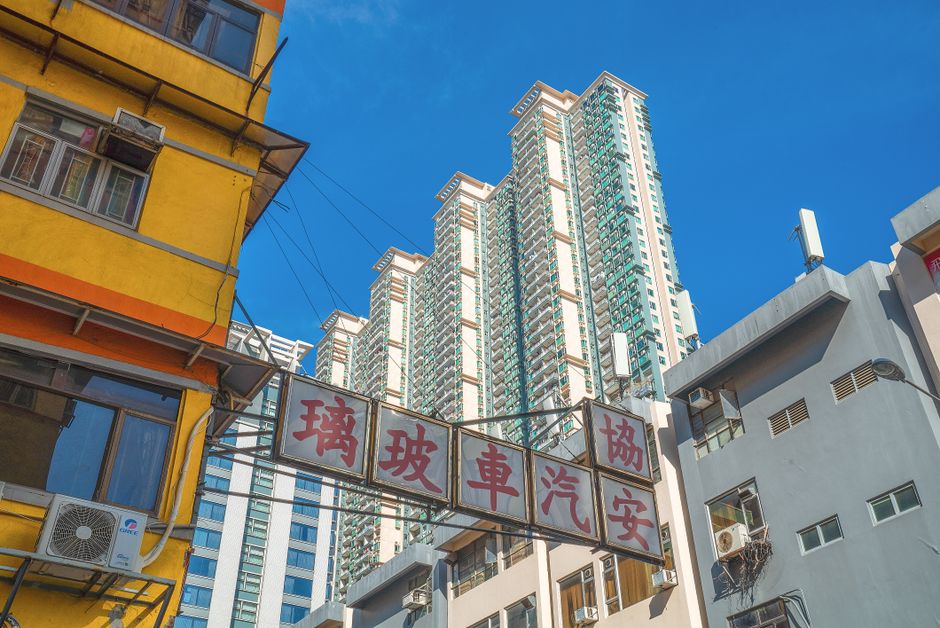
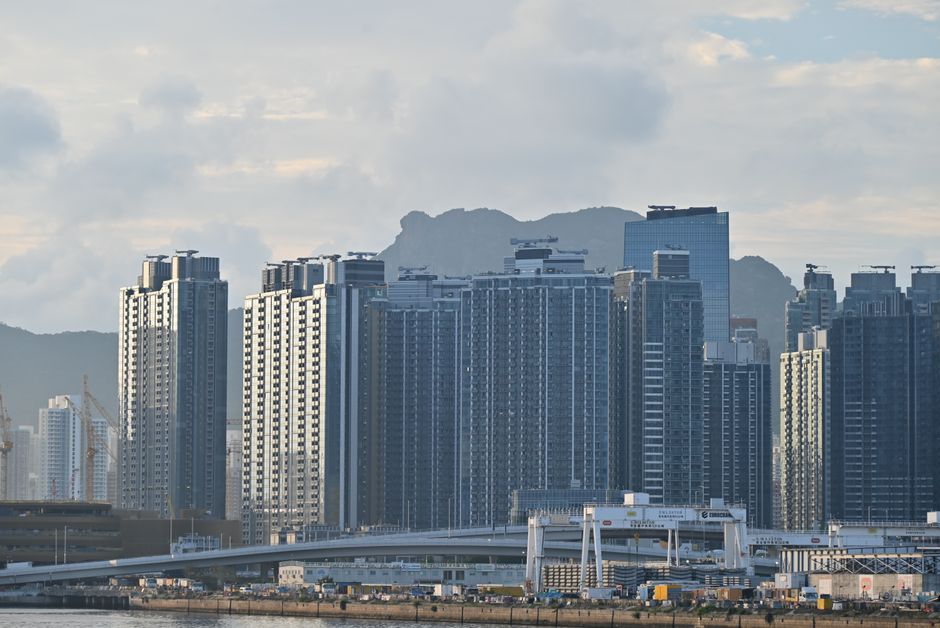
In traditionally affordable pockets like Mong Kok and Sham Shui Po, monthly rents for a modest two-bedroom unit now regularly exceed HKD 20,000—a 12–15% year-on-year increase according to agents working the area. Meanwhile, premium neighbourhoods in the Mid-Levels command rents surpassing HKD 80,000 for comparable space, intensifying the squeeze on middle-income professionals who once anchored these communities.
For tenants, the pressure is acute. Young families seeking flats in more liveable neighbourhoods like Sheung Wan or Kennedy Town face extended lease terms (often three years minimum) and landlord demands for larger deposits. Many are being priced towards the New Territories, where Tai Po and Fanling offer more breathing room but present longer commutes to Central and Kowloon employment hubs.
Landlords, conversely, are caught between competing pressures. While higher rents suggest improved yields, the market's volatility has made vacancy risk real. Several agents report increased time on market for mid-range flats in areas like Causeway Bay and Wan Chai, where oversupply from recent conversions has intensified competition. Many property owners are absorbing shorter lease terms and negotiating furniture inclusions just to secure tenants—a notable shift from two years ago when landlords held considerably more leverage.
Government initiatives haven't fully bridged the gap. While the 'Home for a Home' programme has focused on vulnerable overseas families, mainstream rental affordability remains largely unaddressed through policy. The stamp duty ease for foreign buyers, meanwhile, has primarily benefited the purchase market rather than easing rental pressure on local residents.
Real estate professionals working across Kowloon and Hong Kong Island report that institutional investors and corporate housing programmes are increasingly filling the mid-tier rental void, further marginalizing individual landlords and small-scale operators.
The outlook suggests continued divergence: premium rental segments in prestigious addresses will remain resilient, whilst mass-market rentals in accessible areas will remain contested. For tenants, flexibility and patience have become essential; for landlords, the days of passive income from static assets appear to be fading.
This article was compiled by AI from the sources linked above and screened before publishing. See our editorial standards.