Hong Kong's property market is experiencing a subtle but significant realignment. Recent planning decisions by the Urban Planning Committee have begun to reshape price expectations across neighbourhoods, with implications that ripple far beyond development boards and government chambers.
The most visible shift centres on increased plot-ratio allowances in designated New Territories zones—particularly around Fanling and Sheung Shui. Properties within walking distance of these newly rezoned areas have seen modest upward momentum, with some family flats in nearby Tai Po appreciating 3–5 per cent since announcements in early 2026. Developers eyeing sites along the Tolo Highway corridor are bidding more aggressively, signalling confidence that supply increases will eventually moderate prices here, where median flats still hover around HKD 5–6 million.
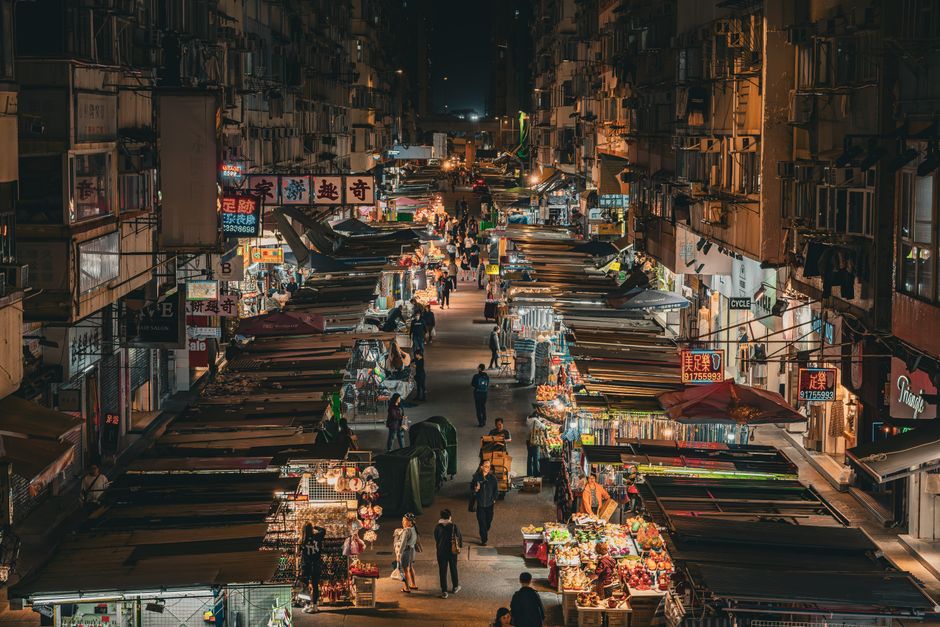
Conversely, mid-tier Kowloon neighbourhoods face unexpected headwinds. The government's decision to freeze new commercial–residential conversion permits in areas like Mong Kok and Prince Edward has cooled investor enthusiasm. These mixed-use pockets, traditionally attractive to owner-occupiers seeking walkable, service-rich environments, saw transaction volumes drop 12 per cent in Q2. Agents on Argyle Street report buyers are now pivoting eastward toward New Kowloon precincts like Kai Tak, where planning approvals for residential clusters remain active.
The most dramatic policy impact, however, involves stamp duty restructuring for non-resident overseas purchasers. By reducing acquisition taxes on properties under HKD 15 million, authorities aimed to unlock liquidity and stabilise the luxury segment. The move has visibly benefited the Peak and Mid-Levels, where foreign interest—particularly from Southeast Asian investors—has grown noticeably. Agents report renewed inquiry for heritage-adjacent properties near the Mid-Levels Escalator precinct.
What's less discussed is the unintended consequence: Hong Kong's median price band (HKD 8–10 million) has become a grey zone. Local families and young professionals increasingly view it as neither accessible nor prestigious enough, creating a pricing plateau that concerns valuers and estate agents alike.
Planning decisions on the Harbour-front regeneration projects and the proposed Kowloon Bay mixed-use development will likely trigger the next wave of repricing. Analysts suggest monitoring land releases near MTR stations in Sha Tin and Kwun Tong; these typically signal government appetite for density, and density typically signals eventual affordability gains—albeit on timescales measured in years, not quarters.
For now, Hong Kong's property market remains stubbornly high, but policy velocity is accelerating. Buyers and investors who understand the planning roadmap, rather than chasing headlines, will be best positioned when the next adjustment arrives.
This article was compiled by AI from the sources linked above and screened before publishing. See our editorial standards.