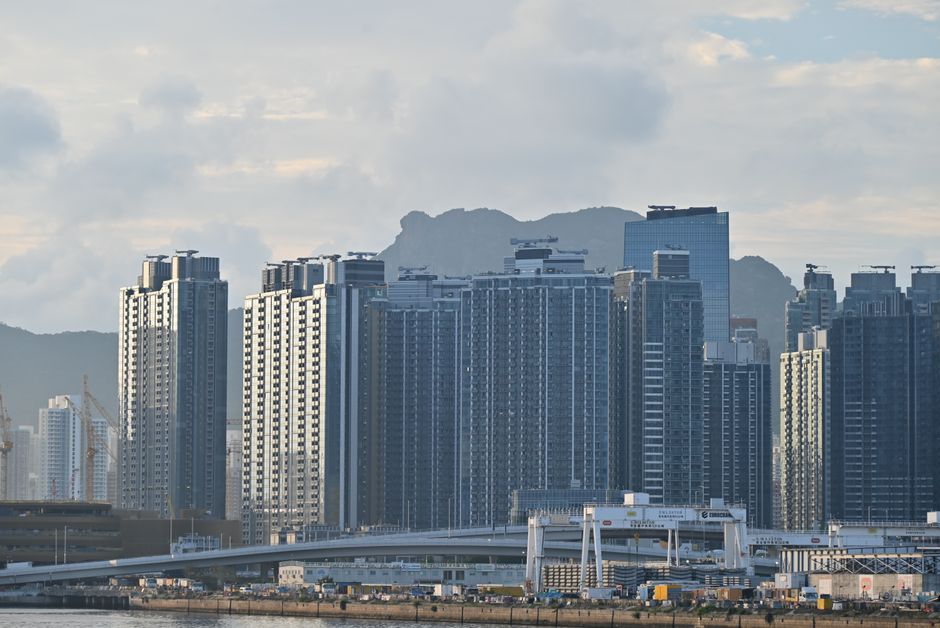
Hong Kong's rental market has entered a phase of stark division. While landlords in Mong Kok and Causeway Bay grapple with unprecedented vacancy rates, tenants in Sheung Wan and the Mid-Levels face rents that have climbed beyond the reach of middle-income households, reshaping how people live and work across the city.
The dislocation is stark. Data from property agents suggests rental yields in prime commercial streets like Des Voeux Road Central have compressed, with some residential units sitting empty for months. Meanwhile, outlying areas including Tuen Mun and Yuen Long have seen modest rent growth, though demand remains softer than anticipated. The disconnect reflects deeper structural shifts: remote work flexibility, along with younger professionals relocating to more affordable neighbourhoods, has fractured the traditional tenant base.
For landlords, the pressure is acute. Those holding multiple units across Kowloon's mid-tier zones—traditionally a stable investment—are offering rent reductions of 5–10% to retain tenants or fill vacant flats. Maintenance costs, property taxes, and the burden of longer void periods have eroded margins that once seemed guaranteed. Some veteran landlords are reconsidering their portfolios, with anecdotal evidence suggesting selective sales in areas like Prince Edward and Mong Kok.
Tenants, however, tell a different story depending on location. In Sai Ying Pun and Central, a one-bedroom flat now commands HKD 30,000–40,000 monthly—pricing out service workers, nurses, and junior professionals. Organisations supporting vulnerable renters report increased inquiries for public housing and subsidised schemes. The 'Home for a Home' initiative, designed for overseas families, has highlighted how acute displacement pressures have become for non-traditional household groups.
The New Territories presents a counterpoint. Flats in Sha Tin and Taipo remain comparatively affordable, with similar units renting for HKD 15,000–22,000. Yet tenants express reluctance to relocate further from employment centres, creating a mismatch between available stock and demand.
Policy responses remain incremental. The government's focus on expanding public housing supply addresses long-term pressure but offers little immediate relief to renters or landlords navigating 2026's volatility. Without intervention, the rental market risks widening the geographic divide: affluent professionals clinging to shrinking central options, while middle-income families retreat further to the periphery or exit the market entirely.
The rental squeeze, in short, is not uniform—and that fragmentation itself has become the story.
This article was compiled by AI from the sources linked above and screened before publishing. See our editorial standards.