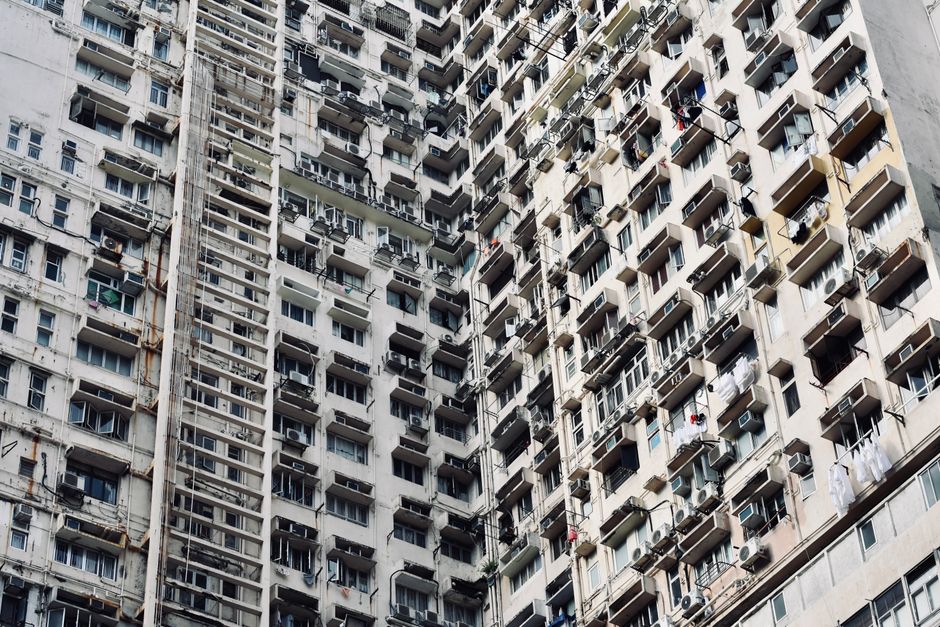
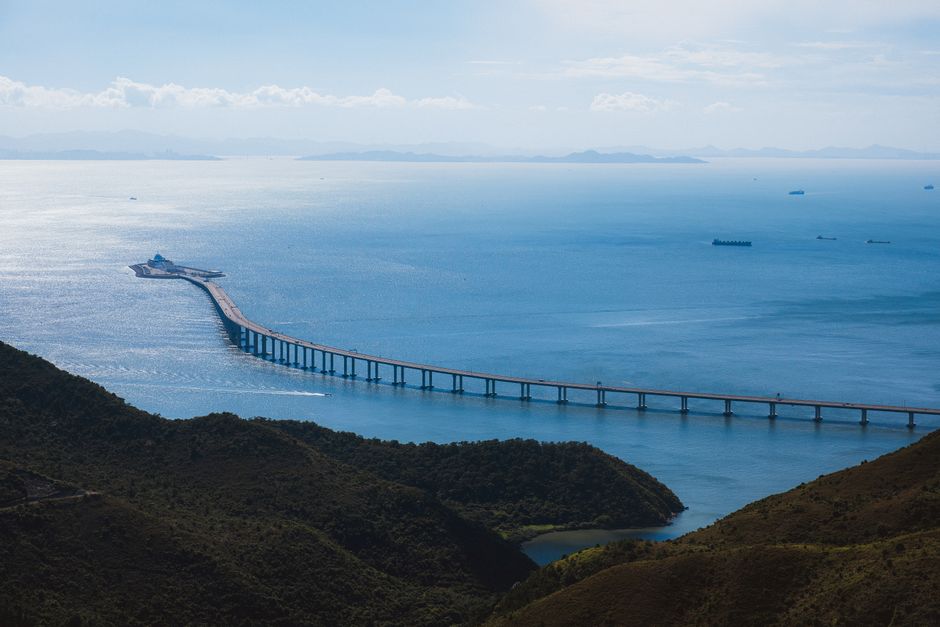
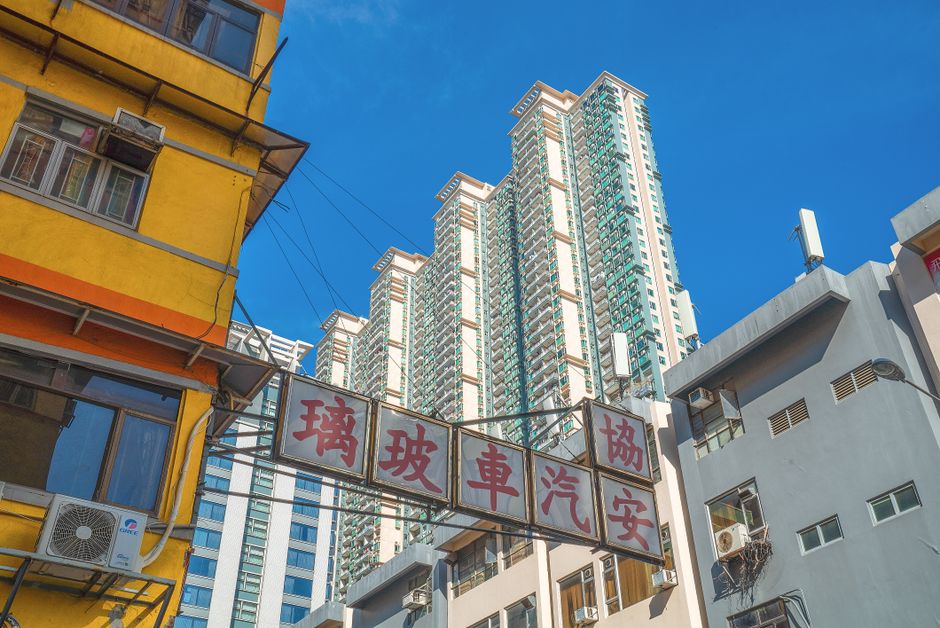
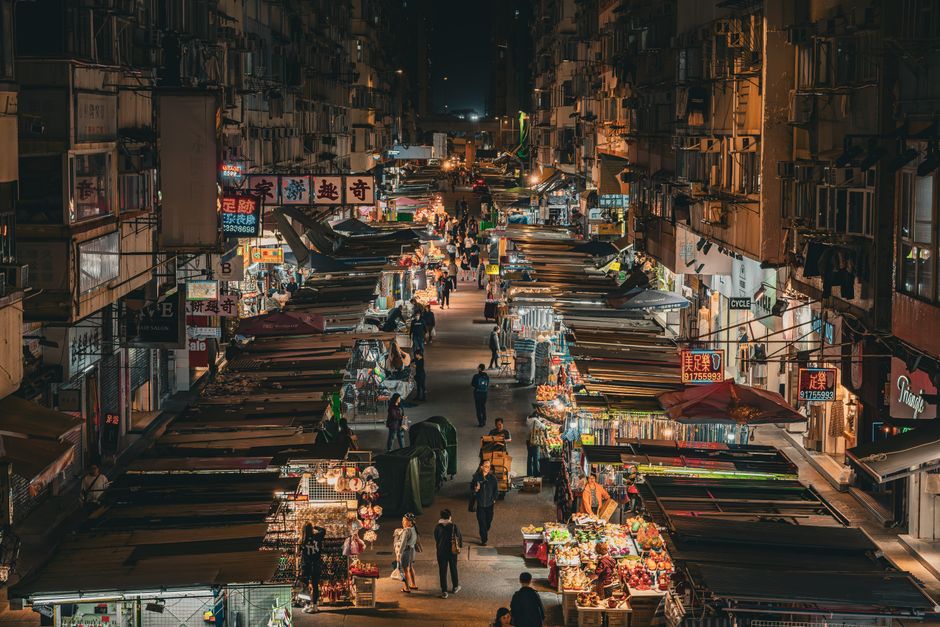
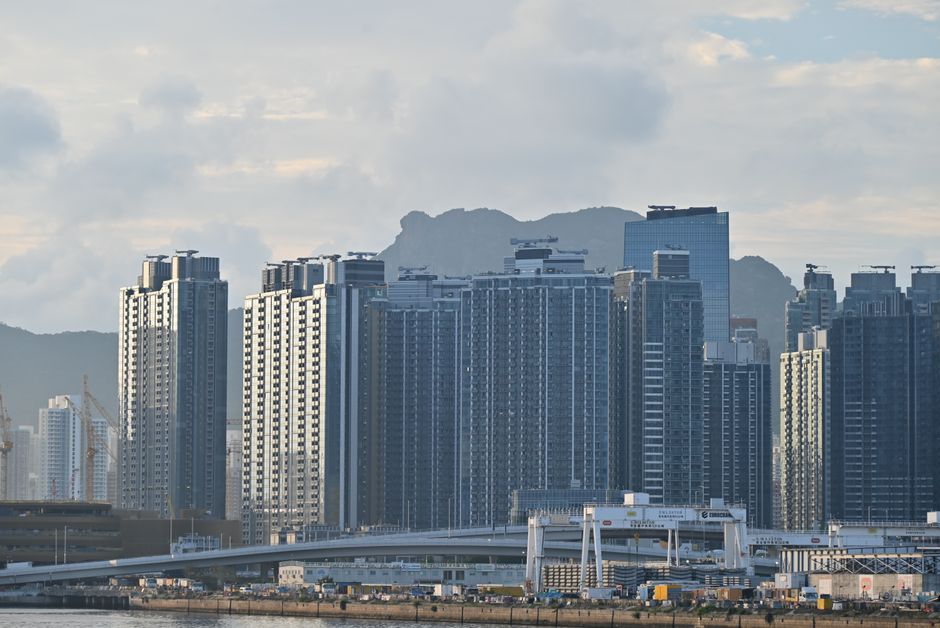
Hong Kong's luxury property market is experiencing a peculiar paradox: while overall transaction volumes remain subdued, prices at the apex continue their relentless climb. On The Peak and in Mid-Levels, penthouses and substantial family homes regularly exceed HKD 100 million, with per-square-foot rates now rivalling Manhattan. For serious buyers entering this rarefied segment, understanding what's fuelling these valuations—and the hidden costs involved—is essential.
Several structural factors are converging. First, supply constraints are acute. Ultra-prime stock on The Peak and around Bowen Road remains finite; developers have largely abandoned this segment in favour of mid-market projects in the New Territories. When a rare seven-figure property changes hands, international wealth—particularly from mainland China's ultra-high-net-worth individuals and Southeast Asian conglomerates—competes fiercely. These buyers view Hong Kong real estate as a stability hedge and legacy asset, not a trading vehicle.
Currency dynamics matter profoundly. With the Hong Kong dollar pegged to the US greenback and interest rates historically low, offshore capital has found purchasing power attractive relative to London, Singapore, or Sydney. Additionally, Beijing's recent regulatory shifts have encouraged wealthy mainlanders to diversify holdings into Hong Kong property, particularly trophy assets offering both prestige and harbour views.
The recent easing of stamp duty for foreign buyers—reducing the burden on non-resident purchasers—has further sweetened the calculus, especially for portfolio investors. However, buyers must navigate a complex tax landscape: property tax, salaries tax implications for rental income, and potential future capital gains considerations require expert guidance from firms like Knight Frank or Savills, who dominate ultra-prime advisory here.
What deserves careful attention: carrying costs. Annual property tax at around 4-5 per cent of notional value, coupled with management fees often exceeding HKD 50,000 monthly for trophy homes, represents a significant ongoing burden often underestimated by overseas buyers. Furnishing and maintaining a Peak mansion to international standards can consume hundreds of thousands annually.
Liquidity is another consideration. While HKD 50-80 million properties can sell within months, ultra-prime assets—those exceeding HKD 150 million—face narrow buyer pools. Exit strategies should assume 12-24 month marketing windows and potential negotiation on pricing.
For buyers contemplating entry to Hong Kong's luxury tier now, the fundamentals remain sound: scarcity, stability, and long-term wealth creation. Yet success demands patience, local expertise, and realistic expectations about true ownership costs. The market rewards informed decision-making—and punishes those seduced by headlines alone.
This article was compiled by AI from the sources linked above and screened before publishing. See our editorial standards.