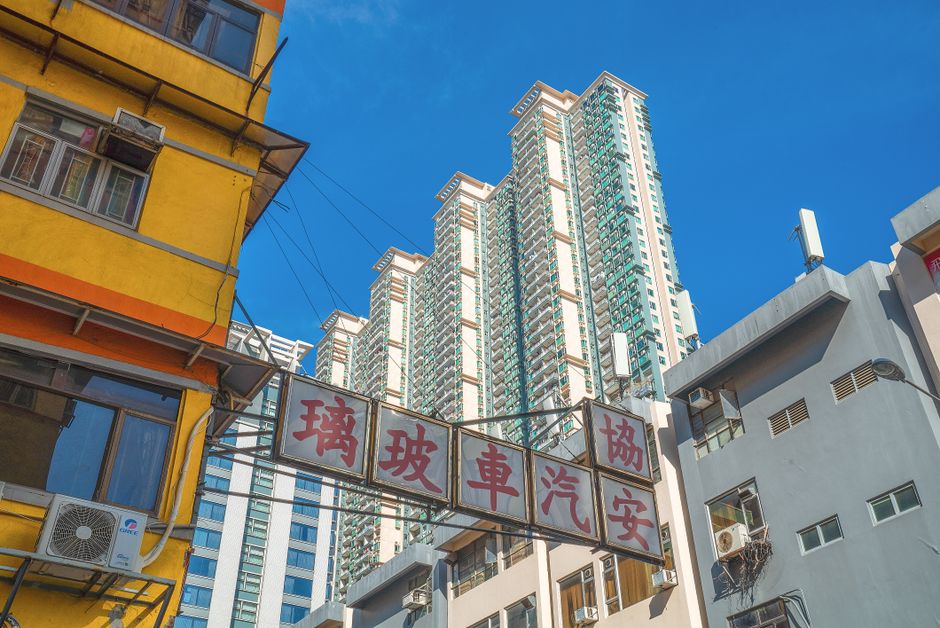
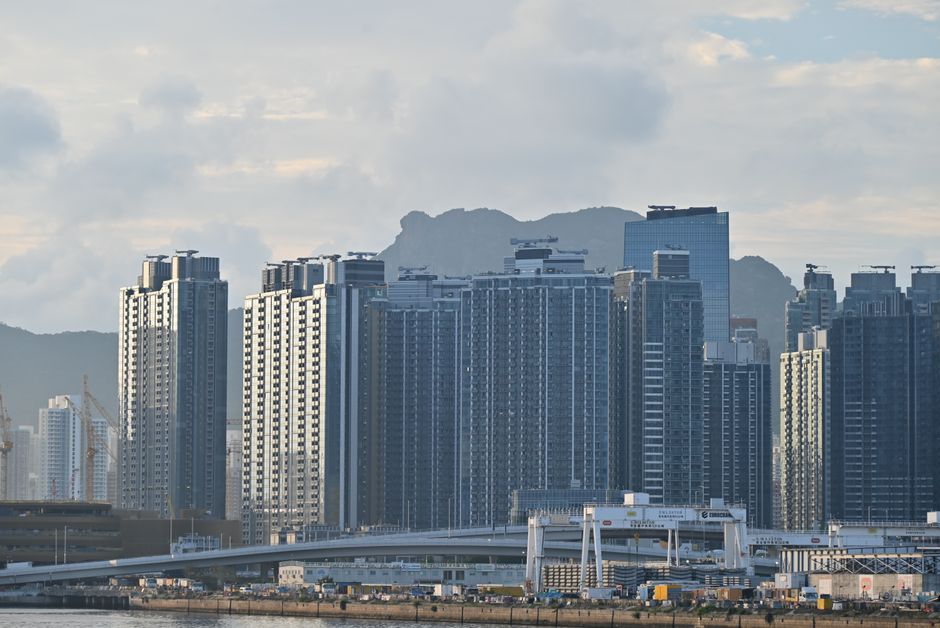
Hong Kong's first-time buyer schemes have opened doors, but they've also exposed a hard truth: entry-level property in many neighbourhoods generates returns that barely keep pace with inflation.
The numbers tell the story. In Tuen Mun and Yuen Long, where HKD 3–4 million flats dominate the first-buyer market, rental yields hover around 2–2.5% annually. A HKD 3.5 million purchase in Tin Shui Wai yields roughly HKD 7,000–8,500 monthly rent—enough to cover mortgage interest and rates, but little else. By contrast, pre-stamp duty relief, foreign investors targeting Mid-Levels or Peak properties saw yields of 1.8–2.2%, yet those same addresses commanded capital appreciation of 8–12% in good years. Entry-level buyers lack that upside.
The Hong Kong Mortgage Corporation's 2025 data showed 60% of first-time buyers in the New Territories financed purchases above 80% loan-to-value—meaning tight equity buffers and vulnerability to rate shocks. Recent grant schemes covering stamp duty and registration fees ease initial friction, yet they don't change the yield fundamentals.
Where does the opportunity lie? Data from Midland Realty suggests pockets of relative value in Kwai Fong and Tsuen Wan, where yields occasionally touch 2.8–3.1% and transport links to Central are established. A HKD 4.2 million flat there might rent for HKD 11,000–12,000 monthly, with realistic capital growth if the MTR extension improves connectivity further. Those numbers work—barely—if you hold for a decade.
The catch: buyer psychology often conflicts with yield reality. A Causeway Bay studio marketed at HKD 6.5 million may appeal emotionally but generates 1.5% yield. A comparable investment in a Kowloon Tong three-bedroom at HKD 8 million yields 2.3%—less sexy, more rational.
For mortgage brokers and advisors, the message is clear: grants remove one barrier, but they don't fix the core challenge facing Hong Kong's junior homeowners. In a city where median flat prices sit at HKD 8–10 million, entry-level purchases in affordable zones (New Territories, outlying Kowloon) offer stability and modest yields, not wealth acceleration. Capital gains depend on supply constraints and transport links improving—factors beyond any individual buyer's control.
First-time buyers should view these purchases as long-term anchors, not investment vehicles. The real yields—and real returns—may take fifteen years to materialize, if at all. Grants help you enter the market; patience helps you profit from it.
This article was compiled by AI from the sources linked above and screened before publishing. See our editorial standards.