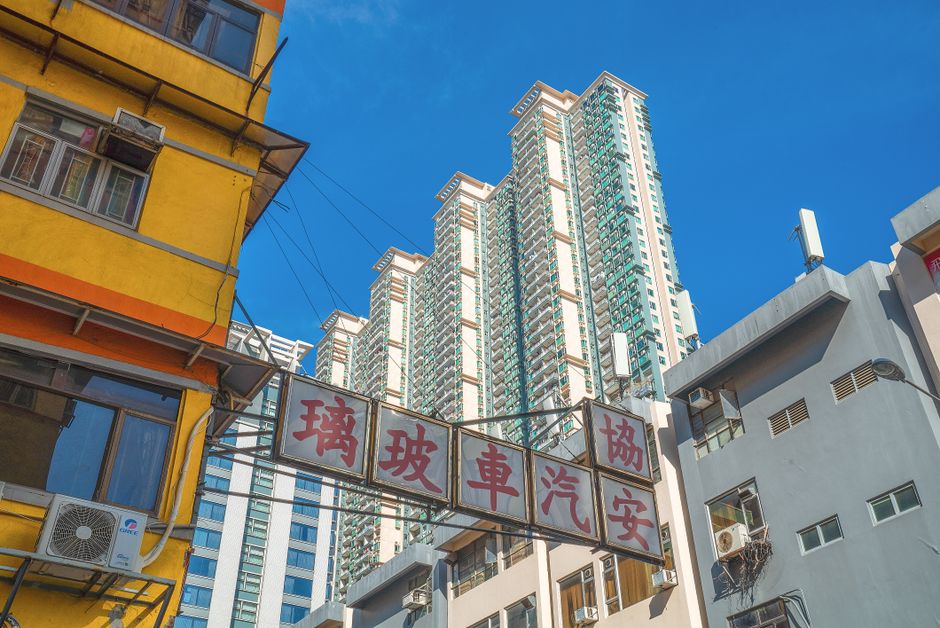
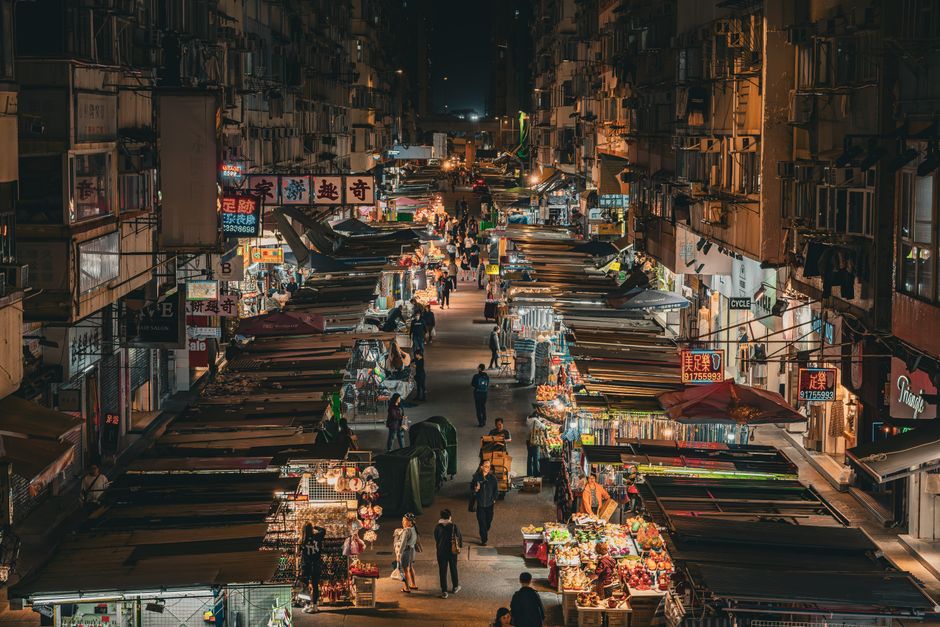
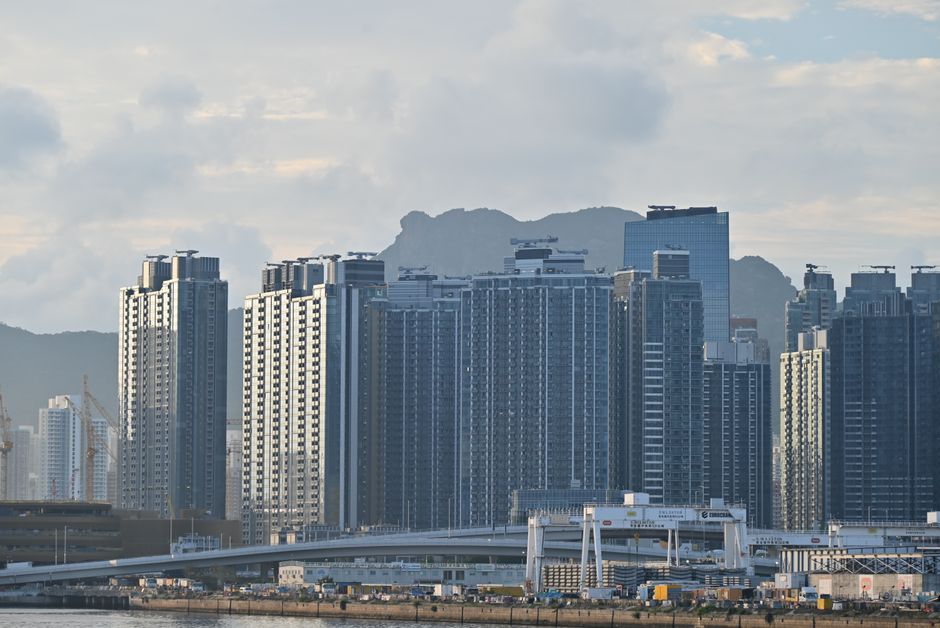
Hong Kong's rental market is entering uncharted territory. For the first time in a decade, vacancy rates in core districts have climbed above 4%, driven not by economic weakness but by a cascade of planning policy changes designed to unlock housing supply. The implications for tenants navigating Mong Kok, Causeway Bay, and the New Territories are profound.
The Urban Renewal Authority's accelerated conversion projects—particularly the mixed-use redevelopment corridors along Des Voeux Road Central and the Sha Tin waterfront initiatives—have injected nearly 8,000 new rental units into the market since late 2024. Meanwhile, the Government's easing of plot ratio restrictions for residential-focused developments in Yuen Long and Fanling has triggered a supply surge that older neighbourhoods hadn't anticipated. Landlords holding older walk-ups in Wong Tai Sin and Kwun Tong are beginning to feel the pressure.
Data from the Real Estate Developers Association shows average rents in traditional rental strongholds like Mong Kok have plateaued around HKD 28,000–32,000 monthly for a mid-range two-bedroom—unchanged for eighteen months. In the New Territories, where policy incentives have been most generous, rents have actually softened by 2–3% year-on-year. This represents a sea change: for most of the past five years, annual rental growth hovered near 4–5%.
For tenants, the window of opportunity is narrow but real. Those seeking space in Causeway Bay or Kowloon can now negotiate renewal terms previously unthinkable—rent freezes, extended lease periods, or improvements bundled into agreements. The Hong Kong Tenants Rights Organisation has fielded a 40% surge in enquiries from renters emboldened to challenge automatic escalation clauses.
Not all neighbourhoods benefit equally. Areas facing major planning disruption—such as precincts marked for URA clearance or transport-linked development zones—see temporary rental softness followed by sharp increases once new supply materialises. Interim periods create bargaining opportunities, but timing is critical.
The policy calculus remains uncertain. If construction timelines slip—a chronic challenge in Hong Kong—vacancy gains will evaporate quickly. Conversely, if planned transit links to the Northern Metropolis materialise on schedule, rental dynamics across Yuen Long and beyond could stabilise at materially lower levels, fundamentally reshaping affordability patterns across the territory.
For renters in 2026, the rental landscape is temporarily tilted in their favour. But that advantage rests entirely on whether planners and developers can sustain the supply momentum they've only recently begun to generate.
This article was compiled by AI from the sources linked above and screened before publishing. See our editorial standards.