Property
Rental yields hold steady as Hong Kong's vacancy paradox reshapes investor returns
Rising empty units across the territory mask a more complex picture for landlords chasing rental income in 2026.
3 min read
Updated 18 h ago
Property
Rising empty units across the territory mask a more complex picture for landlords chasing rental income in 2026.
3 min read
Updated 18 h ago
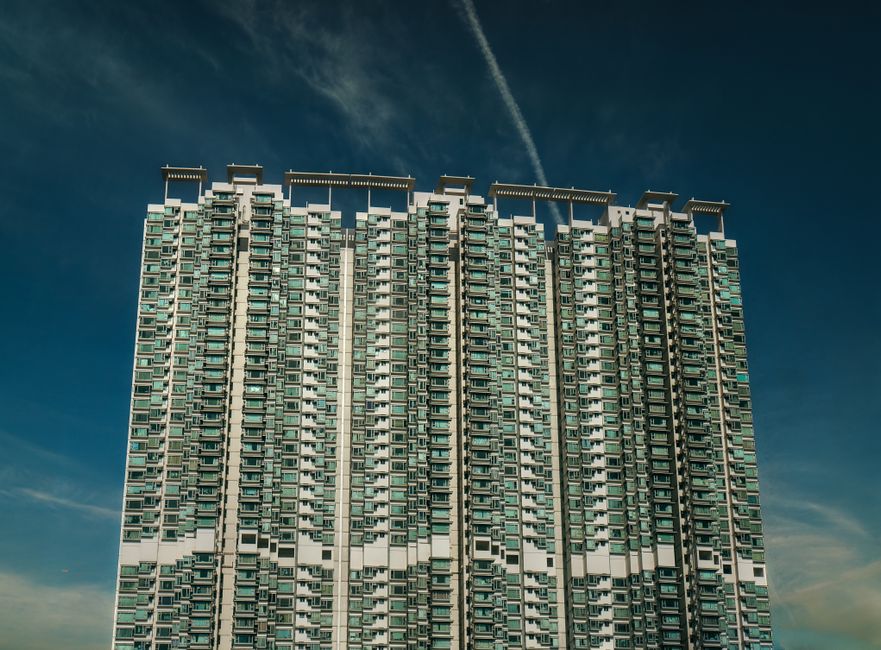
Hong Kong's rental market is sending mixed signals to property investors this year. While vacancy rates have climbed to their highest levels in five years—with some districts reporting 8-10% empty units—rental yields remain surprisingly resilient, suggesting the gap between supply and actual tenant demand may be narrower than headline figures suggest.
Data from property agencies tracking residential lettings across the territory reveal a bifurcated market. In the New Territories, where median rental yields hover around 3.5-4%, landlords are seeing slower tenant turnover and longer void periods, particularly in newer estates along the MTR corridors. Conversely, traditional rental hotspots like Mong Kok and Causeway Bay continue to deliver yields of 4-4.5%, though tenant quality and lease stability have become increasingly important bargaining chips.
The Peak and Mid-Levels luxury segment tells yet another story. Despite trophy apartments commanding rents exceeding HKD 150,000 monthly, net yields—after factoring in management fees, rates, and maintenance—typically sit at 2.5-3%. For investors banking on capital appreciation rather than rental income, the calculus remains sound, but the rental income itself offers modest returns relative to the property's valuation.
Estate agents working along Hollywood Road and Queen's Road Central report that furnished serviced apartments in central locations are outperforming unfurnished stock, suggesting tenants—particularly expatriate professionals and corporate relocations—prioritise convenience over raw space. This trend has implications for yield calculations: furnished units command 15-20% rental premiums but demand higher maintenance reserves.
The vacancy paradox reflects deeper structural shifts. Foreign buyer stamp duty concessions introduced in recent years have broadened investor participation, particularly from Southeast Asian and Chinese mainland buyers targeting long-term holds. Yet demographic pressures—slower population growth, younger professionals delaying flat purchases—mean absolute housing demand growth has plateaued, even as the rental pool remains competitive.
What does this mean for today's investor? Yields are holding because landlords have been disciplined about pricing, and tenant demand, while softer, remains genuine. However, picking the right neighbourhood matters enormously. Kowloon's mid-tier residential zones—around Tsim Sha Tsui, Jordan, and Yau Ma Tei—are proving more resilient than outer New Territories estates, where void periods can stretch six to eight weeks.
Industry bodies like the Real Estate Developers Association and property consultancies tracking monthly lettings data suggest the market has found a new equilibrium. Investors seeking 4%+ yields should focus on family-friendly Kowloon and Eastern District locations; those accepting lower returns should consider the Mid-Levels trajectory. The numbers show Hong Kong's rental market remains viable—but no longer a passive income machine.
This article was compiled by AI from the sources linked above and screened before publishing. See our editorial standards.
About this article
Published by The Daily Hong Kong
Spread the word
Daily brief
Free, in your inbox before 7am. Weekdays.
Before you go
The day's Hong Kong news in a 2-minute read. Free, weekday mornings.