Hong Kong's rental market is reaching an inflection point. While purchase prices have plateaued around the HKD 8-10 million median for a standard flat, the leasing sector is experiencing its own crisis—one that threatens both the tenants seeking affordable housing and the small-scale landlords who depend on rental income.
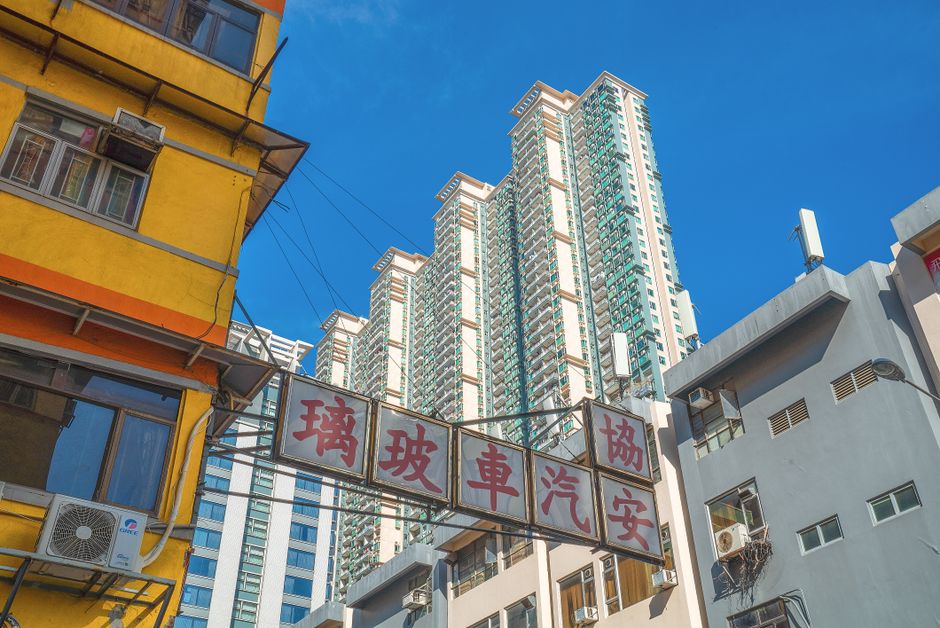
In densely packed neighbourhoods like Mong Kok and Causeway Bay, monthly rents for modest 400 square-foot units now routinely exceed HKD 18,000 to HKD 22,000, pricing out working families and forcing difficult choices. Meanwhile, property owners managing aging walk-up buildings face mounting repair costs and stricter building safety regulations that squeeze already thin margins.
The tension is particularly acute in the New Territories, traditionally seen as more affordable. Areas like Tai Po and Sheung Shui have experienced rental inflation of 8-12 per cent year-on-year, according to property sector monitoring. For landlords in these neighbourhoods—many of them middle-class families renting out inherited properties—the increased pressure to upgrade aging units to meet Building Department standards has become prohibitive. Some are quietly exiting the market, converting units into owner-occupied homes or selling to developers, further reducing the affordable rental stock.
The government's expanded Public Housing Programme aims to address demand, with plans to increase flat supply in areas like Hung Shui Kuk and San Tin. Yet these developments remain years away from completion, leaving the immediate crisis unresolved. Organisations like Kowloon Federation of Residents and community centres in Central and Western District report rising inquiries from renters struggling to find accommodation within their budgets.
For smaller landlords—not corporate institutional investors, but pensioners and retirees relying on rental yield—the calculus has shifted unfavourably. Tenancy disputes have risen sharply, with many property owners citing difficulty finding reliable tenants willing to accept longer fixed terms. The removal of transaction tax incentives for foreign buyers has also reduced speculative investment, paradoxically affecting the small-scale owner segment that depends on stable asset values to refinance or retire.
Housing advocacy groups point out that the rental crisis directly undermines Hong Kong's social stability. Workers in essential services—healthcare, hospitality, security—increasingly commute from the New Territories or even into Shenzhen, where rents are fractionally lower but transport costs erode savings.
As mid-2026 unfolds, the challenge facing policymakers is clear: stabilise the rental market without crushing landlord incentives to maintain properties or triggering a sudden withdrawal of housing stock. Without intervention, both tenants and small property owners risk losing ground.
This article was compiled by AI from the sources linked above and screened before publishing. See our editorial standards.