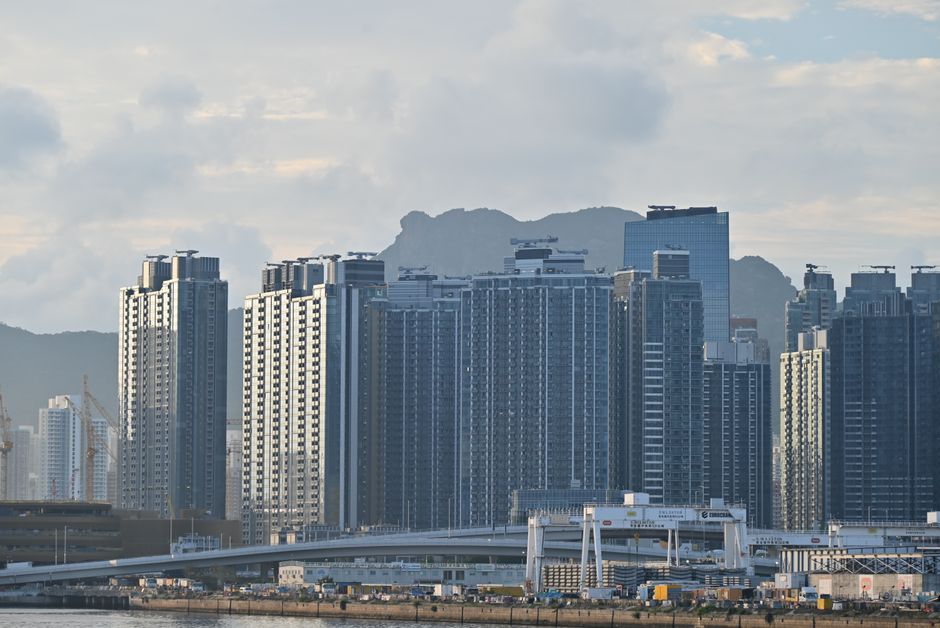
Hong Kong's construction pipeline is busier than it has been in a decade. From the MTR-adjacent developments sprouting across Yuen Long to the mixed-use towers reshaping Kowloon Bay's industrial landscape, new residential supply is fundamentally altering the rental equation for both tenants and property owners.
The tension is palpable. While new builds promise modern amenities and better energy efficiency, they are simultaneously triggering a cascade of displacement in established neighbourhoods. Landlords in areas like Mong Kok and Prince Edward—historically affordable rental zones—are increasingly choosing to leave units vacant rather than rent, betting on future redevelopment premiums. Simultaneously, tenants in these older stock properties face rent hikes averaging 8-12 percent annually, according to preliminary data from property agents surveying Kowloon rental movements through the first half of 2026.
The New Territories tells a different story. Projects like those approved near Kam Tin and Fanling are attracting first-time renters and young families priced out of urban cores. Yet planning delays—Hong Kong's Urban Renewal Authority has extended several project timelines—have created a lag between approvals and actual occupancy, leaving prospective tenants caught in limbo.
Meanwhile, luxury new builds in Mid-Levels and Victoria Peak continue to command premium rents, with studios in recently completed projects now exceeding HKD 35,000-40,000 monthly. This tier of the market operates almost independently, insulated from broader supply pressures affecting the HKD 15,000-25,000 rental bracket where most working Hongkongers compete.
The regulatory environment is evolving cautiously. The Lands Department's streamlined approval processes for certain New Territories developments aim to accelerate housing supply, yet building contractors report persistent labour shortages that extend timelines by 6-18 months. These delays create rental market distortions: landlords hold existing stock longer than planned, pushing prices higher before new competition materializes.
Advocacy groups representing tenant interests have raised concerns about the widening gap. While the government emphasizes that new supply moderates rents long-term, immediate effects favour landlord portfolios over tenant budgets. Developers, meanwhile, argue that construction costs—materials and labour—have inflated 15-20 percent since 2024, justifying higher rental benchmarks for new stock.
The paradox is stark: more buildings are rising across Hong Kong's skyline, yet renters in transitional zones experience acute pressure. Only when new developments reach occupancy maturity—typically 12-24 months post-completion—does rental relief materialize for competing older properties. Until then, Hong Kong's rental market remains a study in uneven transitions.
This article was compiled by AI from the sources linked above and screened before publishing. See our editorial standards.