Property
New Developments Drive a Wedge Between Hong Kong Landlords and Tenants
As fresh supply reshapes neighbourhood dynamics, long-term renters face displacement while property owners grapple with yield pressure.
3 min read
Updated 1 d ago
Property
As fresh supply reshapes neighbourhood dynamics, long-term renters face displacement while property owners grapple with yield pressure.
3 min read
Updated 1 d ago

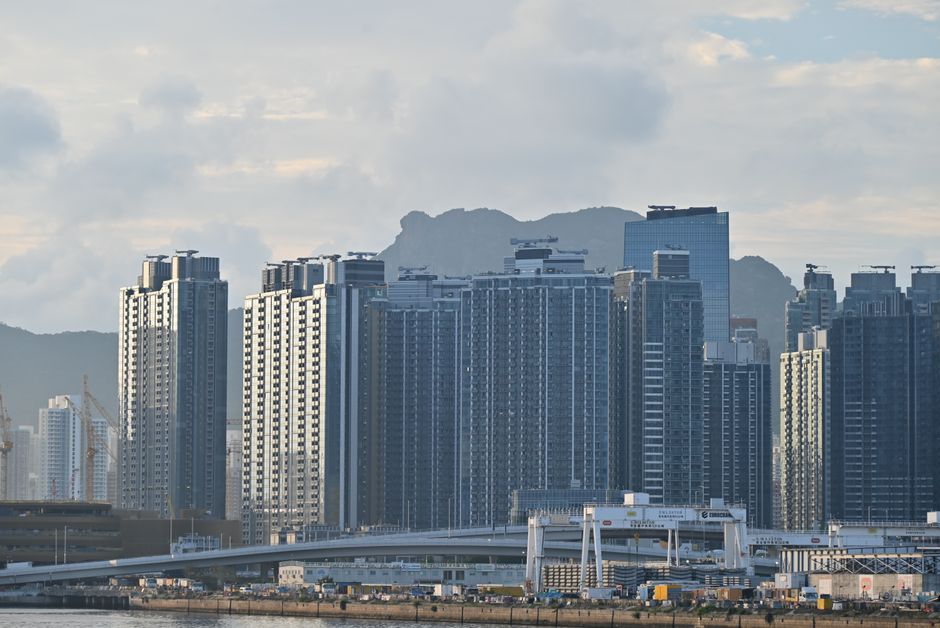
The construction cranes dotting Kowloon Bay and the anticipated completion of projects along the Northern Link are reshaping Hong Kong's rental landscape in ways that pit landlord interests directly against tenant stability. With new residential developments filtering into markets traditionally occupied by mid-income renters, the city's rental equation has fundamentally shifted.
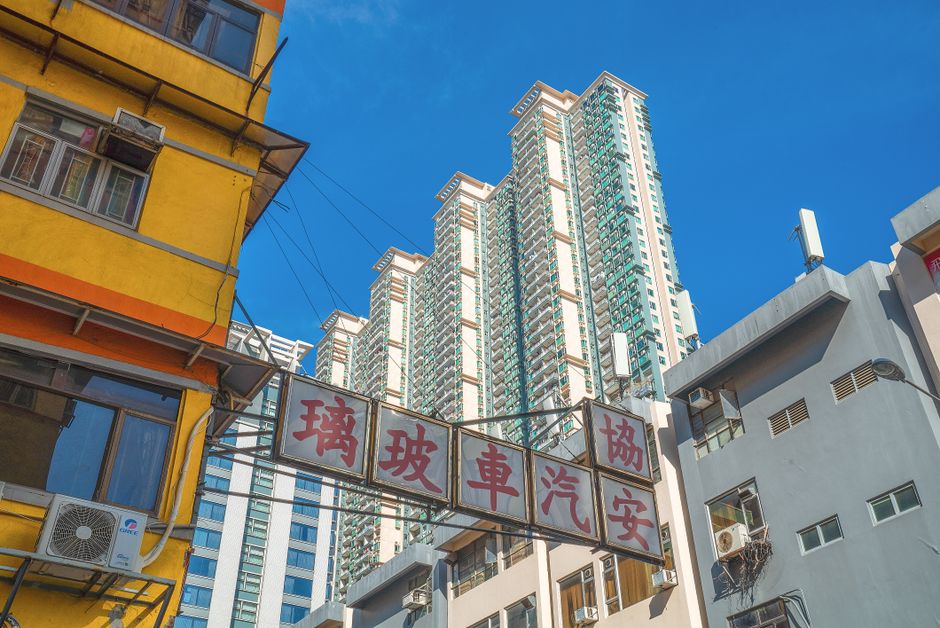
In districts like Tseung Kwan O and Yuen Long, where major residential schemes are nearing handover, landlords face an uncomfortable reality: newly completed units are cannibalising older stock. Properties in ageing buildings across Mong Kok and To Kwa Wan—long affordable havens for young professionals and families—are now competing against modern alternatives in neighbouring precincts. The result is upward pressure on rents for newer units but downward momentum for legacy stock.
Data from major property portals suggests rents for five-year-old units in accessible neighbourhoods have stagnated year-on-year, whilst comparable new apartments command 8–12% premiums. For small landlords holding older walk-ups or subdivided units, this represents a profitability squeeze. Many are now converting or subdividing further, intensifying density in already crowded areas whilst paradoxically leaving established tenants—often elderly or working families—facing either steep hikes or eviction notices tied to renovation timelines.
The Urban Renewal Authority's ongoing projects in districts like Sham Shui Po and North Point introduce another dynamic. Whilst renewal brings modernisation, it displaces long-term residents whose rents are often below-market. Relocation allowances, though improved, rarely secure comparable accommodation in rejuvenated neighbourhoods, pushing vulnerable tenants further out toward the New Territories or into subdivided units in remaining older blocks.
Conversely, landlords holding properties in high-approval-rate zones face a different challenge: oversupply risk. The MTR's connections to Tung Chung and developments along the West Kowloon waterfront have attracted speculative investment, yet rental demand hasn't kept pace with new unit completions. Some investors are now sitting on vacant units or offering below-expected yields, particularly where recent supply exceeded forecast absorption rates.
Property consultants note this bifurcation is widening inequality in the rental market. Tenants in renovation-vulnerable buildings are increasingly squeezed, whilst those securing newer units at premium rents represent a different demographic—often corporate transfers or dual-income households. The traditional middle ground of stable, affordable rental housing continues to narrow.
As the construction pipeline remains robust through 2027, the tension between new-build premium positioning and older-stock displacement will intensify, reshaping not just rental affordability but the social fabric of Hong Kong's established neighbourhoods.
This article was compiled by AI from the sources linked above and screened before publishing. See our editorial standards.
About this article
Published by The Daily Hong Kong
Spread the word
Daily brief
Free, in your inbox before 7am. Weekdays.
Before you go
The day's Hong Kong news in a 2-minute read. Free, weekday mornings.