What Hong Kong's auction room whispers about affordable housing's true market signal
Recent land sales and flat transactions reveal a widening gap between policy ambition and ground-level affordability, reshaping where ordinary families can realistically buy.
This article was generated by AI from the linked public sources. The Daily Hong Kong is independently owned and covers Hong Kong news free from advertiser or sponsor influence. Read our editorial standards →
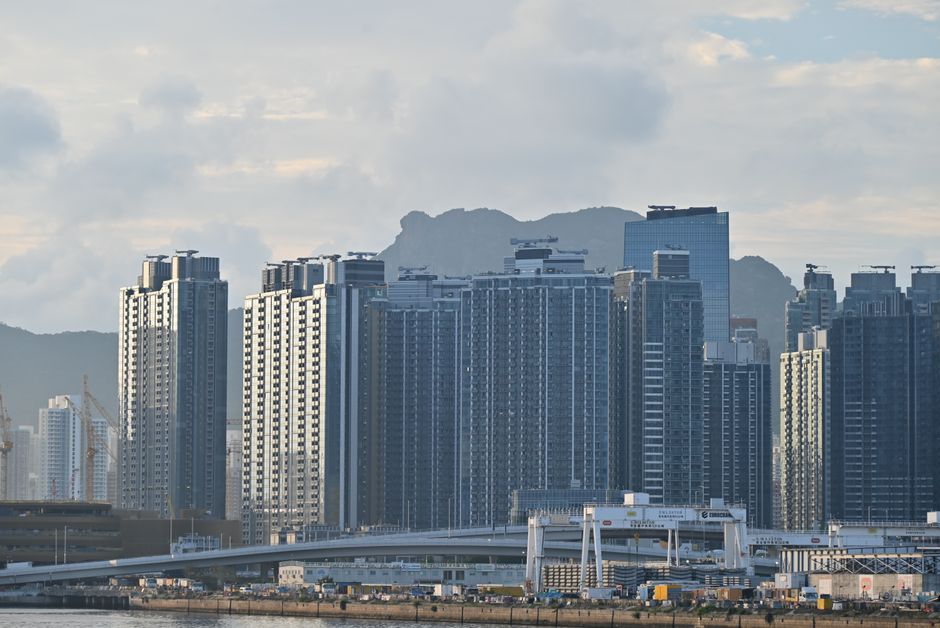
Last week's land auction at Hung Hom waterfront fetched HKD 3.8 billion—a headline that masks a quieter story unfolding across Hong Kong's property market. While luxury units dominate media coverage, the real narrative lies in what mid-tier and entry-level transactions are actually telling us about housing accessibility.
The median flat price across Hong Kong remains anchored at HKD 8–10 million, yet new data from recent auctions and resale transactions in the New Territories tell a more nuanced tale. Yuen Long and Tin Shui Wai saw modest price compressions in Q2, with older public-private partnered flats trading at 7–8 per cent below early-year levels. Meanwhile, Kwai Tsing District transactions—traditionally the gateway for first-time buyers—have stalled, with inventory lingering longer on market.
What's signalling here is structural. The government's affordable housing push—including expanded Home Ownership Scheme eligibility and the 'Housing for All' framework—has created a ghost market of intention without sufficient supply to clear at accessible price points. Recent Government Land Information Centre data shows only 4,200 new affordable units completing this financial year, against a waiting list approaching 140,000 applicants.
Private auction rooms tell the same story differently. Smaller residential lots—the 300–400 square-foot units that once represented attainable ownership in districts like Sham Shui Po or North Point—now command prices that price out median-income earners. A recent transaction for a converted subdivided flat in Mong Kok shifted at HKD 5.8 million, up from HKD 4.2 million just three years ago.
The policy signal is unmistakable: without a dramatic supply injection, 'affordable' housing policy will continue to describe aspiration rather than reality. Urban Renewal Authority projects in central Kowloon may ease pressure marginally, but land acquisition and construction timelines push relief into the early 2030s at earliest.
For property professionals and policymakers watching auction results, the data whispers what stakeholders increasingly know: Hong Kong's affordability crisis is not a pricing problem to be solved by rate adjustments or stamp duty relief. It is a supply problem wearing a policy mask. Until transaction data from developments in Lantau and the New Territories' expansion zones shows genuine price moderation, the median Hong Kong family remains locked out of ownership—no matter what the government's latest initiative promises.
This article was compiled by AI from the sources linked above and screened before publishing. See our editorial standards.
Covering property in Hong Kong. This article was generated by AI from the linked sources and was not reviewed by a human editor before publishing. See our editorial standards.