Hong Kong's construction approval machinery is humming again, but the real story lies not in the permits themselves—it's in what auction results and presale pricing are telling us about where capital is actually flowing.
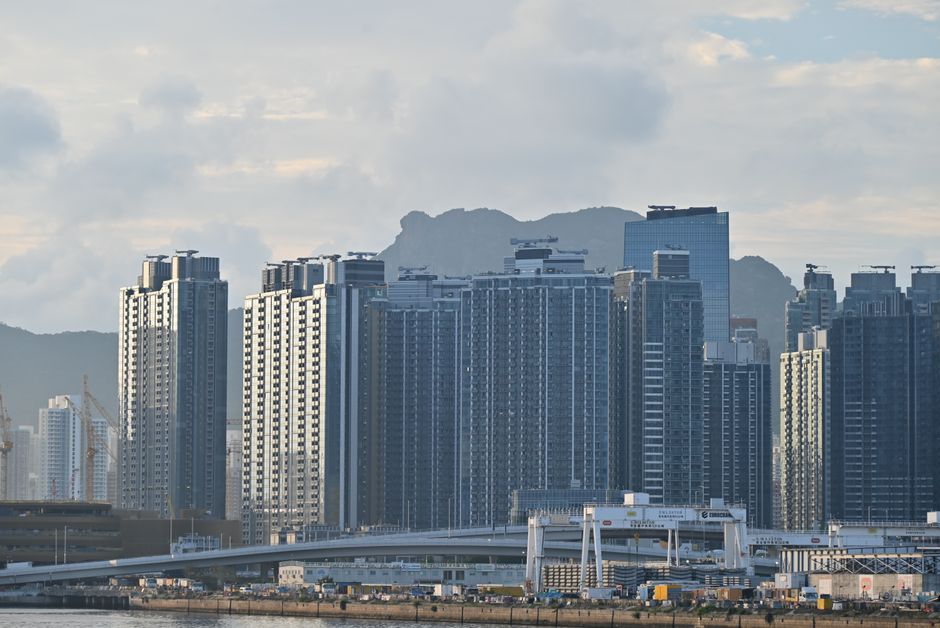
Over the past eighteen months, land parcels in Tuen Mun, Yuen Long, and along the New Territories fringe have attracted competitive bidding despite broader market caution. A recent industrial-zoned site in Tseung Kwan O fetched HKD 850 million, a signal that developers remain confident in logistics-adjacent mixed-use schemes. Yet residential presales tell a more nuanced story. New launches in Lohas Park and Caribbean Coast have commanded opening prices clustering around HKD 12,000 to 14,000 per square foot—a 12-15% premium over comparable secondary market units, yet markedly lower than the frenzied 2021-2022 peaks.
This pricing gap matters. When presale premiums narrow, it suggests developers are recalibrating expectations. Approval pipelines in Wong Tai Sin and Kowloon Bay remain robust, with MTR-linked stations attracting particular developer interest. Two major office-retail hybrid projects cleared planning at the Land Development Corporation last quarter, their terms reflecting a shift toward mixed-use rather than pure residential.
The auction circuit itself provides another lens. Government land tenders in Fanling and Tai Po have seen clearance rates stabilise around 65-70%—healthier than the broader residential market's recent lows, yet still disciplined compared to 2022's near-100% clearance streaks. Successful bidders are predominantly major developers hedging portfolio risk, not speculative consortiums. This concentration signals confidence tempered by caution: the industry is building, but selectively.
Foreign buyer appetite, sharpened by the recent stamp duty concessions, is visible at the luxury end. Peak and Mid-Levels developments continue commanding HKD 80,000-plus per square foot, underpinned by cross-border capital. However, the bulk of approvals—units priced HKD 8-10 million across Kowloon and the New Territories—depend on local demand. Subdued absorption rates for units completing in 2024-2025 suggest developers may throttle approvals or pivot toward smaller unit mixes.
The key signal: approvals are rising, but pricing power is fragmenting. Presale premiums are narrowing, auction clearances are steady but not exuberant, and approval clusters are concentrating in transit-rich, mixed-use zones rather than sprawling residential complexes. This pattern suggests the market is pricing in a slower, more selective recovery—not a V-shaped rebound. Developers betting on new approvals are doing so with lower leverage and tighter unit economics than recent cycles. For investors and buyers, that discipline may signal stability ahead, even if dramatic appreciation remains elusive.
This article was compiled by AI from the sources linked above and screened before publishing. See our editorial standards.