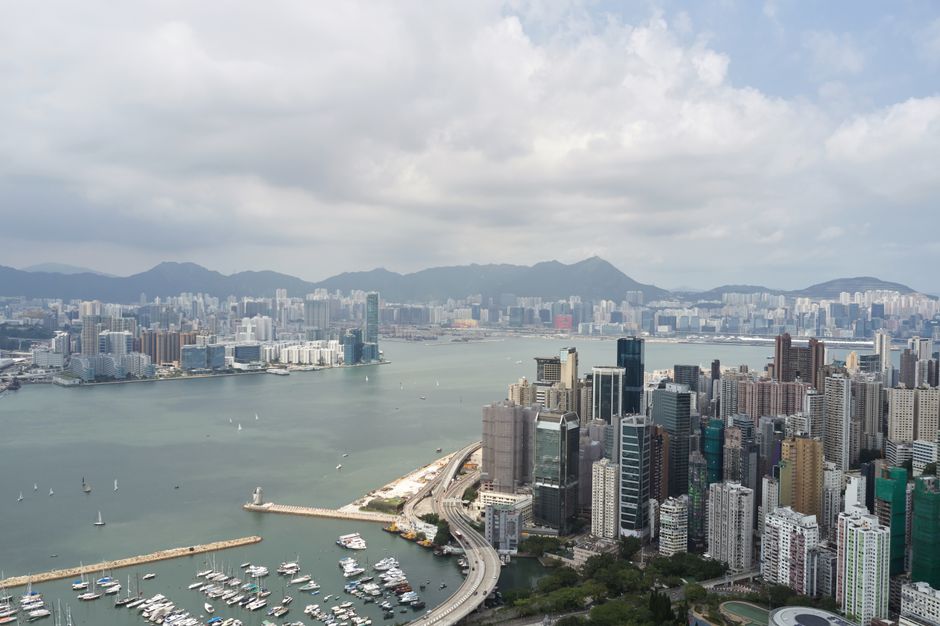
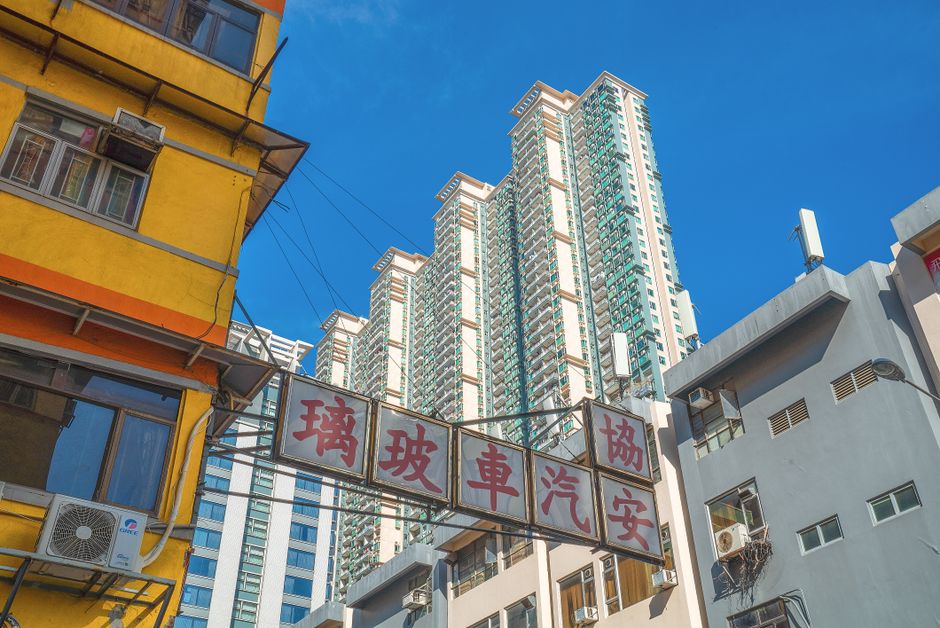
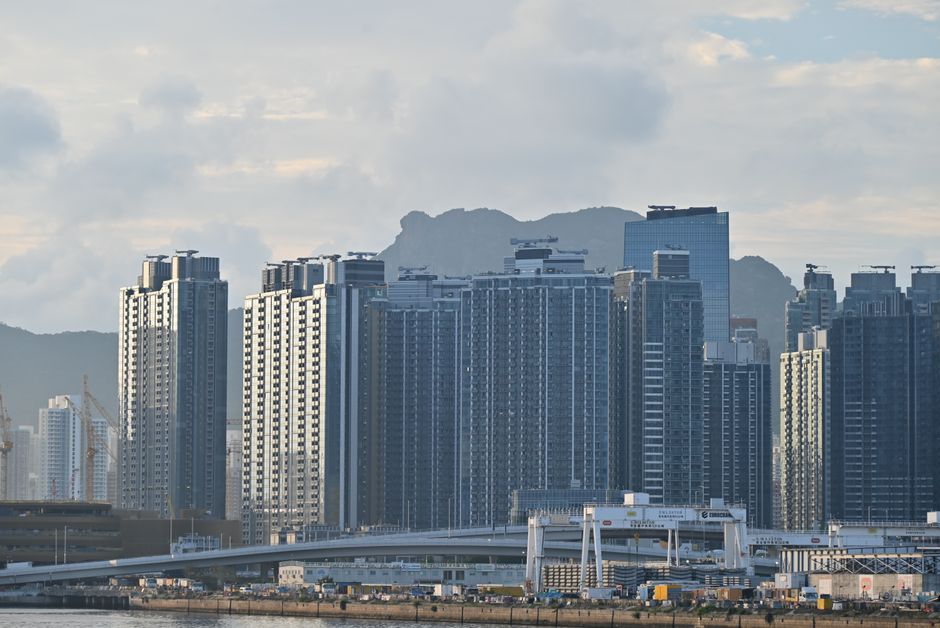
For decades, Hong Kong's property ladder has felt less like a rung and more like a cliff face. A first-time buyer in Mong Kok or Causeway Bay faces a median asking price exceeding HKD 8–10 million, a figure that leaves many saving for years before they can even approach a mortgage. Enter the Shared Equity Scheme, a government initiative designed to bridge that impossible gap—and for many first-timers, it's proving transformative.
The mechanics are straightforward, though the paperwork isn't. Under this scheme, the government co-invests alongside you in a residential property, typically taking a stake of 25–50 per cent depending on the property's value and your circumstances. You purchase the remaining stake through a traditional mortgage, meaning you're borrowing less from banks and immediately becoming part-owner of your flat.
Here's the step-by-step reality: First, you must qualify. Income caps apply—generally around HKD 33,000 monthly for a single buyer—and you cannot own any other property in Hong Kong. The Housing Authority vets applications rigorously. Second, you identify an eligible property, usually in the secondary market across the New Territories or lower-tier Kowloon addresses like Cheung Sha Wan or Diamond Hill, though some Wan Chai and Causeway Bay units occasionally appear. Properties are capped at HKD 8 million.
Third comes the valuation and co-investment calculation. The government appraises your chosen flat independently. If you're buying a HKD 6.5 million property and the scheme approves a 40 per cent government stake, you're responsible for HKD 3.9 million—a mortgage burden far more manageable than the full price. Your bank loan is capped at 70 per cent of your equity stake, meaning you'll need a deposit too.
Fourth, you proceed to purchase. Crucially, the government's share is registered on the Land Registry. You own the property jointly with the state, and both parties hold equal rights—including the right to occupy. Stamp duty and legal fees are your responsibility; the government's share attracts no additional levy.
Finally, exit options matter. After five years, you can buy out the government's stake at market value, refinance, or sell the entire property—the government receives its proportional proceeds. Some buyers use this window to consolidate equity and eventually own outright.
The scheme isn't perfect. Property choices remain limited, and the government's ownership stake can complicate future sales or refinancing. Yet for a Hong Kong resident earning a solid middle-class income—teacher, nurse, mid-level executive—it transforms the previously impossible into achievable. In a market where even Tuen Mun flats breach HKD 4 million, that shift matters.
This article was compiled by AI from the sources linked above and screened before publishing. See our editorial standards.