Property
What Hong Kong's Price Data and Auction Results Are Really Signalling to Landlords
Recent transaction patterns reveal shifting tenant demand and yield compression that savvy investors are already acting on.
2 min read
Property
Recent transaction patterns reveal shifting tenant demand and yield compression that savvy investors are already acting on.
2 min read
Hong Kong's investment property market is sending mixed signals, and those reading the data correctly are repositioning their portfolios accordingly. Recent auction results and price movements across residential neighbourhoods suggest landlords should recalibrate their yield expectations and tenant targeting strategies for the remainder of 2026.
Across the New Territories, where median rents have remained relatively stable despite flat-lining capital appreciation, transaction data shows investors increasingly favour mid-sized units in established communities like Tai Po and Sha Tin over speculative purchases further afield. Properties in these zones are achieving rental yields between 3.2 and 3.8 per cent—modest by regional standards, but consistent in a low-growth environment. Auctioneers report stronger sell-through rates for smaller flats priced below HKD 5 million, suggesting liquidity concerns are prompting selective exits among leveraged investors.
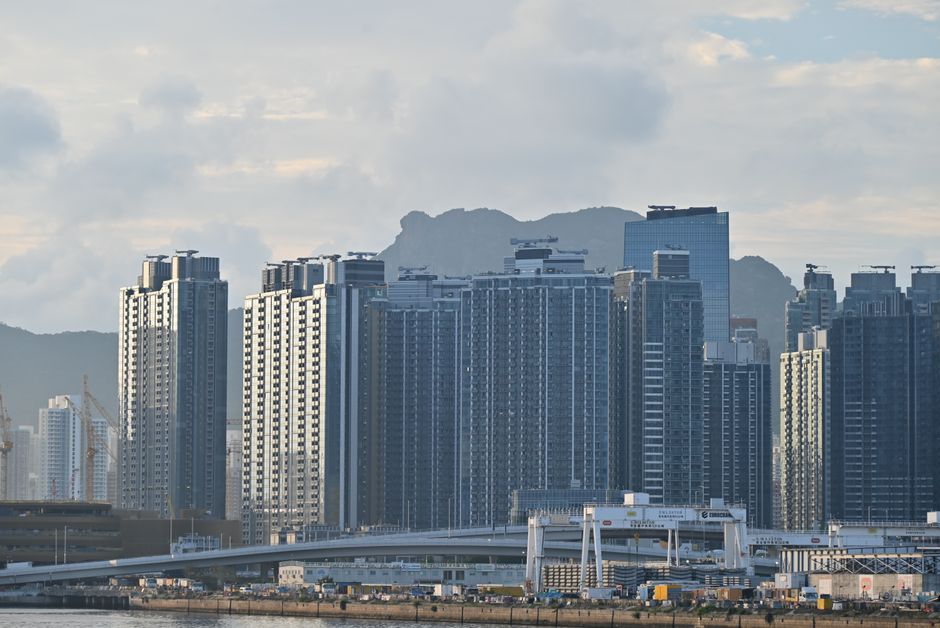
The Kowloon belt—traditionally the sweet spot for institutional landlords—shows more nuance. Data from recent auctions near Mong Kok and Sham Shui Po indicate yield compression in prime retail-adjacent residential, where competing short-term holiday rental operations are fragmenting traditional long-term tenant pools. Landlords holding 600–800 sq ft units here are reporting 2.8 to 3.2 per cent yields, down from 3.5 per cent two years ago. This is pushing some investors toward secondary locations like Kowloon Tong and Ho Man Tin, where professional renter demand remains robust.
The Peak and Mid-Levels continue to attract ultra-high-net-worth buyers, but auction data reveals a telling pattern: trophy properties are moving, while mid-range luxury stock lingers. This suggests the gap between aspirational pricing and market appetite is widening. For landlords in this segment, the signal is clear—rental strategies targeting corporate expatriate tenants and executive leases outperform speculative capital gains positioning.
Recent stamp duty easing for foreign buyers has also influenced auction dynamics, particularly in Repulse Bay and Kennedy Town, where investment from overseas purchasers is visibly ticking upward. Local investors watching these transactions are responding by releasing core holdings and redeploying capital into emerging demand pockets—a pattern worth tracking through the third quarter.
The clearest message: yields are compressing across the board, liquidity concerns are real, and tenant demand is fragmenting by neighbourhood and unit type. Landlords who move beyond blanket portfolio strategies and instead follow where auction prices are actually moving—and where renter pools are genuinely growing—will outperform those holding for sentiment-driven recoveries.
This article was compiled by AI from the sources linked above and screened before publishing. See our editorial standards.
About this article
Published by The Daily Hong Kong
Spread the word
Daily brief
Free, in your inbox before 7am. Weekdays.
Before you go
The day's Hong Kong news in a 2-minute read. Free, weekday mornings.