Hong Kong's property auction block is telling a story that headline prices alone cannot capture. Recent months have seen clearance rates slip below historical norms, yet select pockets of the territory continue to defy gravity—a divergence that speaks volumes about where real money is flowing.
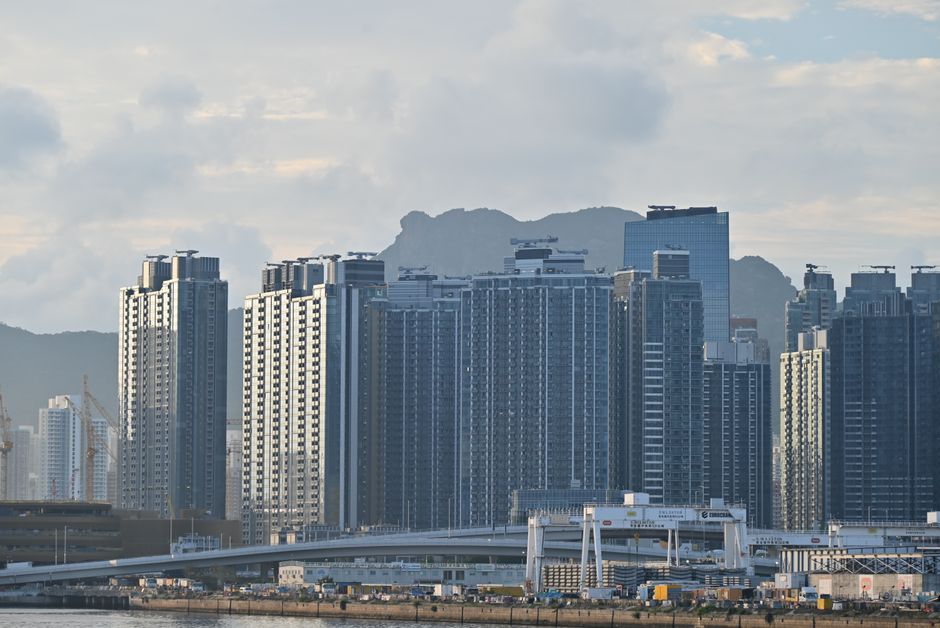
The signal from New Territories auctions is particularly instructive. While overall clearance rates have contracted, suburban sites in Yuen Long and Fanling have attracted sustained bidding from developers, suggesting confidence in medium-density residential demand as core urban districts face affordability fatigue. A recent industrial-to-residential conversion site near Tin Shui Wai drew multiple bids despite initial reserve concerns, hinting that buyers are pricing in long-term infrastructure benefits—the MTR extensions and new town ambitions that the government continues to champion.
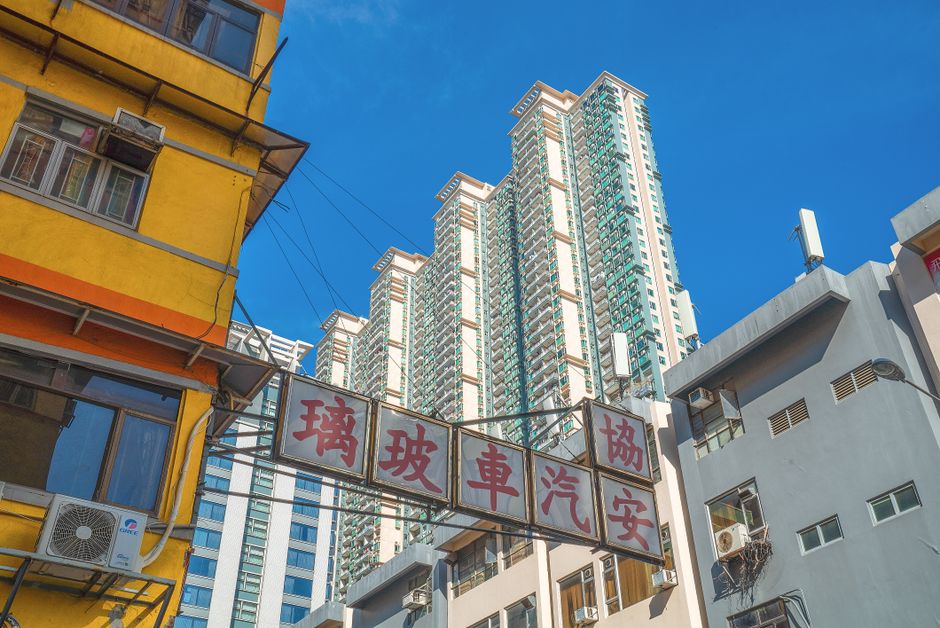
Kowloon's mid-tier neighbourhoods tell a different story. Auction data from the past quarter shows Mong Kok and To Kwa Wan attracting institutional buyers and owner-occupiers alike, with prices holding firm in the HKD 7–8 million range for compact flats. This stability contrasts sharply with the volatility in luxury segments, where Peak and Mid-Levels properties have seen wider price swings. The implication: resilience in the middle market, uncertainty at the extremes.
What's particularly revealing is the price-per-square-foot trajectory. Sham Shui Po, historically a value play, has seen incremental price appreciation in recent auctions—modest by Hong Kong standards, but consistent. Meanwhile, Causeway Bay commercial properties have shown sharper corrections, signalling that investors are rotating away from retail-heavy districts toward mixed-use or residential-focused areas.
The stamp duty easing for foreign buyers earlier this year has added a layer of complexity. Preliminary data suggests international capital is targeting trophy properties and pre-leasing commercial units rather than speculating on sub-10 million dollar residential stock—meaning domestic buyers dominate the middle market where most transactions occur.
Auction clearance rates themselves warrant close attention. When they fall below 60 per cent, vendors become less confident, often leading to price adjustments that create buying opportunities. Current data hovers near this threshold, suggesting that patient buyers willing to negotiate post-auction may find better entry points than those chasing live bidding.
The emerging picture: avoid betting against New Territories infrastructure plays, maintain conviction in Kowloon's affordability curve, and treat ultra-prime segments as speculative. Auction data doesn't lie—it simply requires translation.
This article was compiled by AI from the sources linked above and screened before publishing. See our editorial standards.