Hong Kong's residential property market posted a modest 3.2% year-on-year price increase in the second quarter, extending a tentative recovery that remains far from the exuberance of previous cycles. The gain, while positive, reflects softer comparable figures from Q2 2025 rather than aggressive buying momentum—a distinction that matters for investors parsing the market's true health.
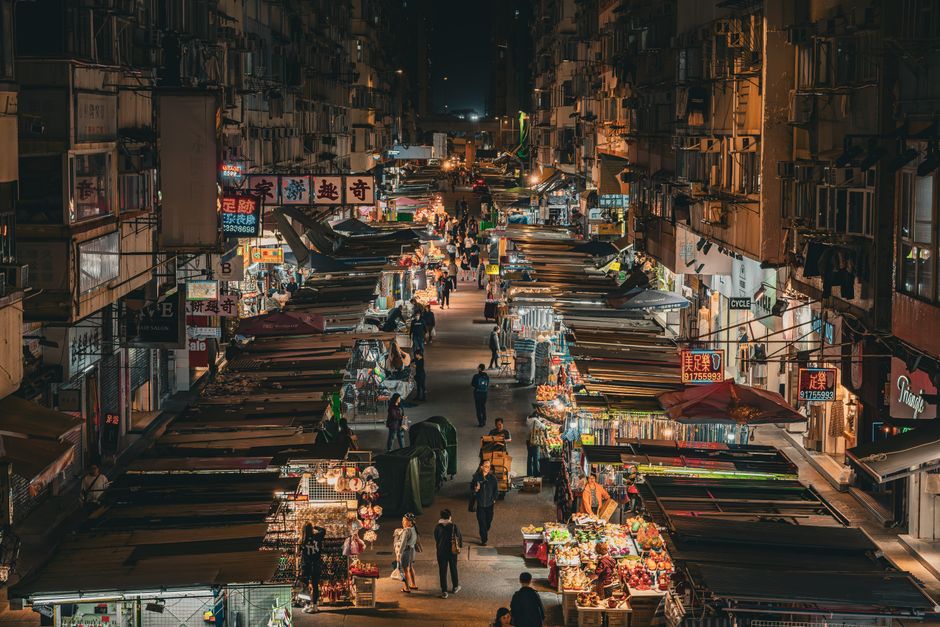
Data from the Land Registry reveals median prices have climbed to approximately HKD 9.2 million across the four main districts, with geography determining destiny. The New Territories led growth at 4.8% year-on-year, driven by continued migration toward Tuen Mun and Yuen Long as commuters accept longer MTR journeys in exchange for entry-level units under HKD 6 million. Kowloon held steady at 2.1%, with Mong Kok and Sham Shui Po prices stalling as older walk-up units face structural headwinds despite gentrification efforts around Telford Plaza.
The luxury segment—traditionally Hong Kong's bellwether—showed the softest growth at 1.7% in the Mid-Levels and The Peak, where foreign investment remains cautious despite the stamp duty exemption introduced in 2024. Peak apartments still command HKD 35 million-plus, but transaction velocity has declined, suggesting foreign buyers remain selective rather than enthusiastic.
The quarterly picture tells a different story. Comparing Q2 2026 directly to Q1 2026 reveals a 1.1% decline, indicating the year-on-year gain masks a quarter-on-quarter softness that property watchers should not ignore. This pattern emerged as interest rate expectations shifted in May, causing buyer hesitation ahead of the Hong Kong Monetary Authority's mid-June decision.
What's reshaping the narrative is buyer composition. Stamp duty changes have accelerated foreign acquisitions, particularly in trophy addresses like Repulse Bay and Victoria Peak, where non-resident buyers now account for nearly 18% of transactions—a five-year high. Meanwhile, local first-time buyers increasingly cluster in the New Territories, where down payment requirements remain manageable and price-to-income ratios feel less suffocating than in Admiralty or Central.
Agent activity on Wong Nai Chung Road and Des Voeux Road Central suggests developers are cautiously releasing new inventory, expecting the softer comparison base in Q3 2025 to produce stronger headline numbers in Q3 2026. Whether that materialises depends on interest rate stability and whether Hong Kong can retain its role as a wealth destination amid regional competition from Singapore and Tokyo.
The narrative: growth is real, but uneven—and Q2's 3.2% gain says more about last year's weakness than this year's strength.
This article was compiled by AI from the sources linked above and screened before publishing. See our editorial standards.