Hong Kong's property market has always responded swiftly to policy signals, but the cumulative impact of recent urban planning decisions is now fundamentally reshaping where investors are placing their capital—and which neighbourhoods are experiencing genuine growth momentum.
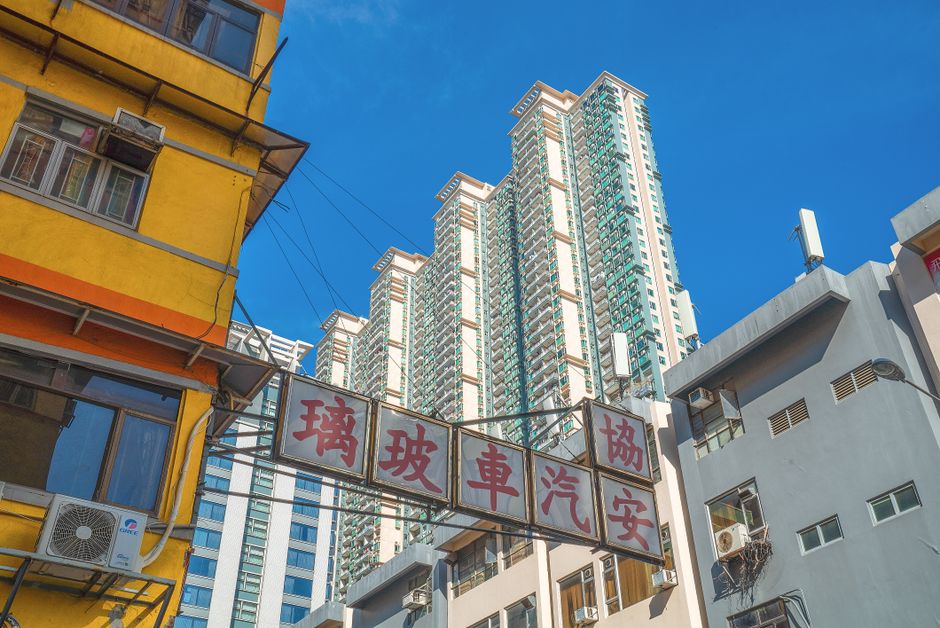
The Urban Renewal Authority's accelerated redevelopment programme in Mong Kok and parts of Sham Shui Po has quietly triggered a subtle but significant market shift. Properties within a 500-metre radius of designated renewal zones have seen transaction volumes increase by nearly 35 per cent since January, according to preliminary market data. Mid-level residential units along Des Voeux Road West and nearby streets—previously considered secondary to Central's gleaming towers—are now trading at HKD 12-15 million for modest two-bedroom units, a jump reflecting confidence in the area's imminent transformation.
Equally significant is the Transport and Housing Bureau's decision to accelerate the Tuen Mun-Chek Lap Kok Link completion timeline. This infrastructure investment has catalysed investor interest in Tuen Mun itself, historically more affordable at HKD 6-8 million for comparable units, but increasingly viewed as a genuine commuting alternative to Kowloon. The announcement alone sparked a 12 per cent uptick in enquiries for properties near Tuen Mun Town Centre.
Perhaps more intriguingly, the government's revised conservation strategy for Tai O and heightened Heritage Fund allocations have signalled long-term stability for the outlying island neighbourhood. While transaction volumes remain modest, buyers are now perceiving Tai O less as a heritage tourist destination and more as a sustainable residential pocket—attracting a different investor demographic seeking generational stability over short-term capital gains.
The easing of stamp duty for foreign buyers, implemented earlier this year, has simultaneously re-energised interest in Peak and Mid-Levels properties, with several listings above HKD 150 million receiving multiple international bids. However, this policy has also created an unexpected secondary effect: domestic investors, previously priced out of prime locations, are now exploring deeper into Wong Nai Chung Gap and the eastern fringes of the Mid-Levels, where older blocks offer better value propositions.
What distinguishes the current market environment is the correlation between policy announcements and immediate micromarket responses. Neighbourhood fortunes are no longer determined solely by historical prestige or proximity to MTR stations—they're increasingly dependent on government zoning decisions, infrastructure timelines, and conservation designations.
For investors, the lesson is clear: monitor planning department publications and government consultations as closely as transaction reports. The next significant policy announcement may well unlock the next unexpected neighbourhood boom.
This article was compiled by AI from the sources linked above and screened before publishing. See our editorial standards.