New Kowloon Waterfront Towers Set to Reshape Mid-Tier Property Market
As luxury developments cluster along the Kowloon waterfront, affordability pressures mount for middle-income buyers seeking homes within the traditional Mong Kok and Yau Ma Tei corridors.
This article was generated by AI from the linked public sources. The Daily Hong Kong is independently owned and covers Hong Kong news free from advertiser or sponsor influence. Read our editorial standards →
The Hong Kong property market is experiencing a seismic shift as major developers pivot toward high-end waterfront projects, leaving middle-income buyers scrambling for affordable options in historically accessible neighbourhoods.
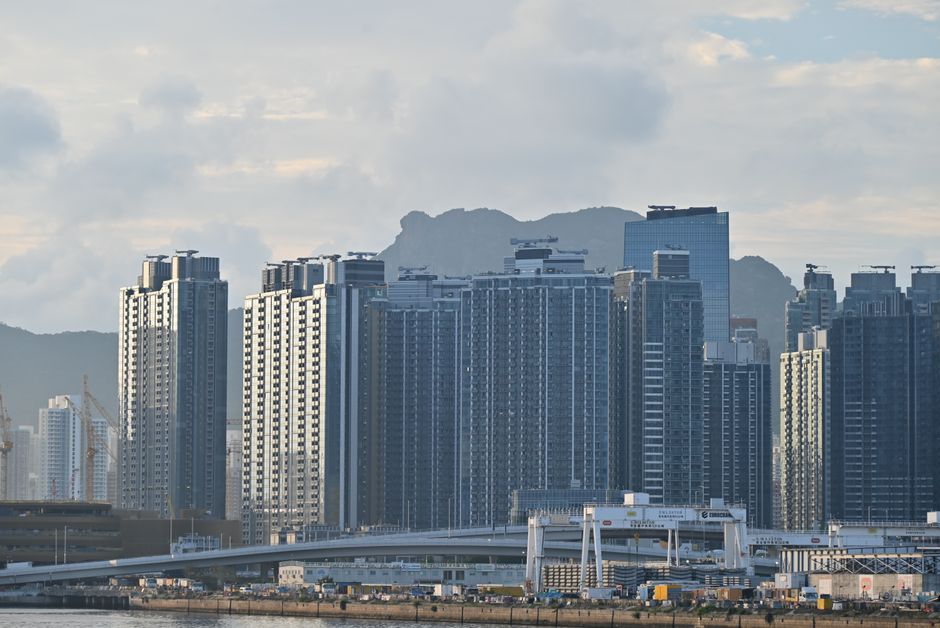
Three landmark developments now under construction along the Tsim Sha Tsui East and Hung Hom waterfront—collectively representing over 2,000 residential units—are expected to complete between late 2027 and 2029. Projects include mixed-use towers with penthouses commanding HKD 150 million-plus, alongside mid-range apartments in the HKD 12-18 million bracket. While these figures represent a modest price point compared to Peak luxury, they signal a troubling trend: the gentrification of traditionally affordable areas.
Mong Kok and Yau Ma Tei, long considered the gateway to property ownership for first-time buyers, face mounting pressure as spillover demand from Tsim Sha Tsui pushes northward. Current median prices in Mong Kok have climbed to HKD 9.2 million—up 7% year-on-year—squeezing out families seeking entry-level flats in the sub-HKD 8 million range. Meanwhile, New Territories developments in Tin Shui Wai and Fanling continue to offer relative value at HKD 5-7 million, yet remain geographically isolated for those employed in Kowloon's central business districts.
Real estate analysts point to the easing of stamp duty for foreign investors as a catalyst. International capital seeking alternatives to North Asian markets has concentrated on premium waterfront locations, artificially inflating comparable prices across adjacent neighbourhoods. The Lands Department's recent zoning approvals for the Kai Tak development cluster—where residential projects are projected to contribute 15,000 new units by 2032—offer a potential relief valve, though completion timelines remain uncertain.
Local community groups have raised concerns about displacement in established Kowloon communities. The Mong Kok and Yau Ma Tei District Councils recently submitted representations to the Urban Renewal Authority, advocating for inclusionary housing policies in new projects. The government has signalled support for increasing subsidised housing targets, though implementation mechanisms remain vague.
For now, middle-income buyers face an uncomfortable calculation: compromise on location by moving further into the New Territories, or stretch budgets to HKD 10-12 million for modest units in Kowloon. As waterfront development continues reshaping the city's geography of affordability, the traditional stepping-stone neighbourhoods are rapidly becoming destinations only for the comfortably middle-class.
This article was compiled by AI from the sources linked above and screened before publishing. See our editorial standards.
Covering property in Hong Kong. This article was generated by AI from the linked sources and was not reviewed by a human editor before publishing. See our editorial standards.