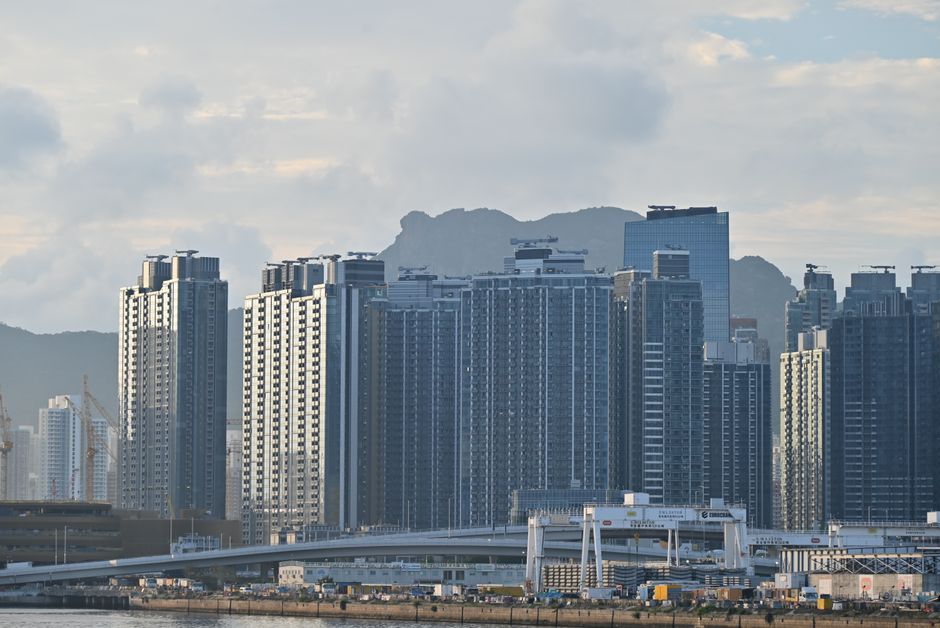
Hong Kong's luxury property market is experiencing a quiet transformation. While headline-grabbing celebrity transactions continue to dominate gossip columns, it is the carefully planned new development projects—particularly across the Mid-Levels, Peak district, and select Kowloon enclaves—that are fundamentally reshaping where the city's ultra-wealthy choose to anchor their fortunes.
The latest wave of prestige developments signals a deliberate shift in focus. Projects clustered around Stubbs Road and The Peak Tram terminus are attracting international capital, with units routinely exceeding HKD 150 million. These aren't mere residential blocks; they're architectural statements designed to appeal to a clientele for whom traditional Mid-Levels addresses now feel pedestrian. The introduction of amenities such as private wine cellars, bespoke wellness centres, and curated art installation spaces reflects changing expectations among the ultra-high-net-worth demographic.
Equally significant is the emergence of luxury developments in established but evolving neighbourhoods. Kowloon's Kadoorie Hill and select pockets near Beacon Hill are witnessing unprecedented interest. Projects here, priced between HKD 80–120 million per unit, represent a compelling alternative for investors fatigued by Hong Kong Island's stratospheric valuations. These developments bring tangible neighbourhood improvements—enhanced security infrastructure, landscaped communal spaces, and proximity to cultural venues like the upcoming heritage precinct near Jordan Road—that elevate entire districts.
Market data underscores this recalibration. New luxury supply has remained constrained, with fewer than 200 ultra-premium units (above HKD 100 million) launching annually across Hong Kong. This scarcity has bolstered price resilience even as broader market sentiment wavers. For developers, the calculus is clear: prestige projects command premium positioning, justifying extended development timelines and meticulous architectural planning.
The neighbourhood impact extends beyond real estate values. New luxury developments function as anchors for ancillary upgrading. Restaurants, wellness clinics, and high-end retail gravitate toward these nodes, transforming surrounding streetscapes. The vicinity of completed prestige projects on The Peak has seen dining establishments rebrand themselves upmarket, while property management standards across neighbouring blocks have risen in silent competition.
Regulatory adjustments—including the recent easing of stamp duty for foreign buyers—have further energised this segment. International investors, particularly from Southeast Asia and mainland China, view Hong Kong's luxury market as a stable store of wealth, less vulnerable to local economic cycles than mid-market segments.
As new developments continue to proliferate, the luxury market's geography is becoming less about heritage prestige and more about architectural vision and amenity sophistication. The question is no longer simply where in Hong Kong the ultra-wealthy should buy, but which newly imagined neighbourhood they prefer to call home.
This article was compiled by AI from the sources linked above and screened before publishing. See our editorial standards.