Property
Wong Chuk Hang's quiet revolution: how a former ...
As rents climb across Wan Chai and Central, a gritty south-side suburb is undergoing rapid transformation—and savvy buyers are taking notice.
3 min read
Updated 17 h ago
Property
As rents climb across Wan Chai and Central, a gritty south-side suburb is undergoing rapid transformation—and savvy buyers are taking notice.
3 min read
Updated 17 h ago
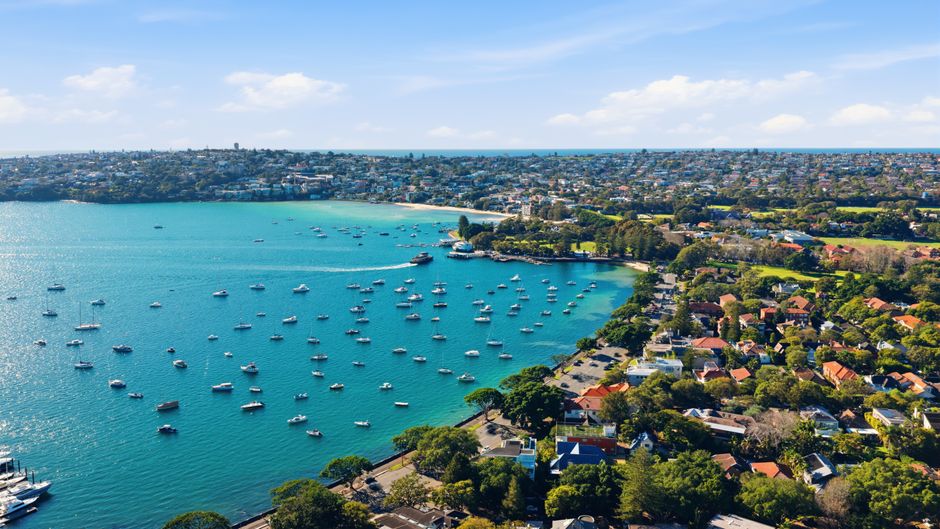
Five years ago, Wong Chuk Hang was a name most Hong Kong property professionals struggled to place. The sprawling industrial neighbourhood on Hong Kong Island's southern coast—sandwiched between Aberdeen and Deep Water Bay—barely registered on investor radars. Today, it's one of the territory's most closely watched gentrification plays, attracting young professionals priced out of trendier Wan Chai and Causeway Bay.
The shift is tangible. Along Wong Chuk Hang Road, heritage warehouses have given way to artisan coffee roasters, contemporary galleries, and design studios. Rents in converted industrial lofts now hover around HKD 35,000–45,000 monthly for 600–800 sq ft spaces—substantially lower than comparable Central or Wan Chai stock, yet in high-demand neighbourhoods. The opening of the Aberdeen–Wong Chuk Hang MTR station extension in 2014 was a catalyst, but recent momentum has been driven by younger cohorts seeking authenticity over polish.
Residential transaction data tells a compelling story. Secondary market flats in the neighbourhood have climbed from an average HKD 6.2 million in 2022 to approximately HKD 7.8 million today—a 26 per cent rise in four years. New developments, including mid-rise residential projects above retail, are moving briskly. One recently completed conversion project near Ap Lei Chau Bridge achieved a median unit price of HKD 8.9 million for 550 sq ft, positioning it competitively against comparable Peak addresses at nearly double the size.
What's driving the appeal? Wong Chuk Hang offers rare combinations: waterfront views, walkable street-level culture, and genuine creative energy. The area has become a loose creative hub, home to independent art galleries, design collectives, and small publishing houses that cluster along the industrial estates east of the main road. Young professionals in creative and tech sectors particularly favour the neighbourhood's lower overheads and community buzz.
Estate agents report strong foreign buyer interest—the recent stamp duty easement for non-Hong Kong residents has widened the pool. Suburban apartments here still represent meaningful value against Peak or Mid-Levels comparables, yet offer contemporary lifestyle amenities increasingly rare in older Kowloon mid-tier neighbourhoods.
Not everyone celebrates the shift. Long-term industrial tenants face displacement as landlords capitalise on rising land values. Traditional fishing community infrastructure, including the Aberdeen Fish Market precinct, faces incremental pressure. Yet for property investors tracking demographic currents, Wong Chuk Hang represents a textbook gentrification cycle: overlooked industrial heritage, transit connectivity, artistic early-movers, rising valuations. The next two to three years will be pivotal in determining whether the neighbourhood retains its creative character or follows conventional luxury redevelopment patterns.
This article was compiled by AI from the sources linked above and screened before publishing. See our editorial standards.
About this article
Published by The Daily Hong Kong
Spread the word
Daily brief
Free, in your inbox before 7am. Weekdays.
Before you go
The day's Hong Kong news in a 2-minute read. Free, weekday mornings.