The Hong Kong property investment landscape is shifting. While median flat prices hover around HKD 8–10 million across the territory, emerging development clusters are creating fresh opportunities for landlords willing to look beyond traditional hotspots like the Peak and Mid-Levels.
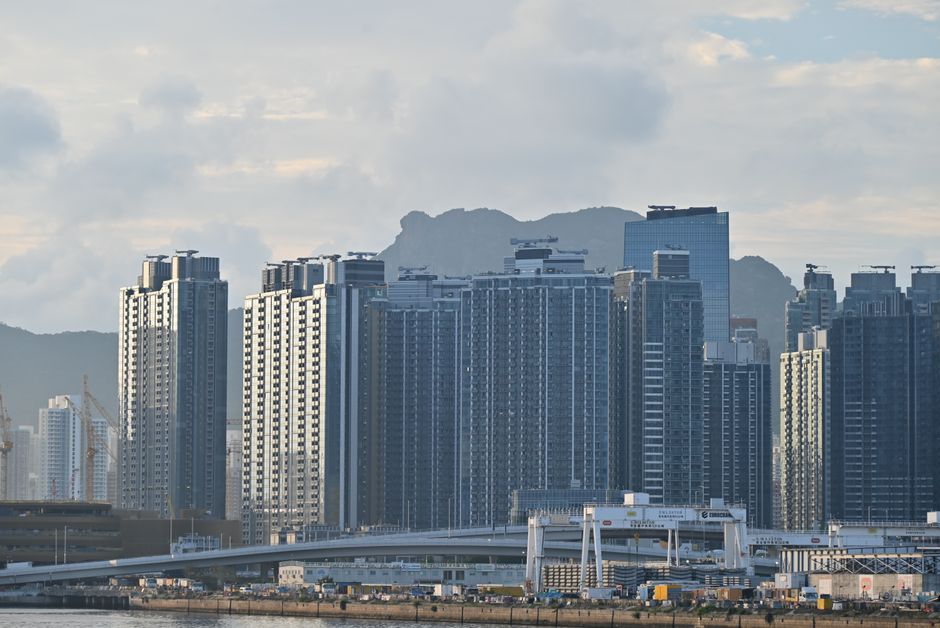
Consider Lohas Park in Tseung Kwan O, where completion of the MTR extension has unlocked significant rental demand. Investors who acquired units at HKD 4–5 million three years ago now see yields lifting as young professionals commuting to Quarry Bay and Taikoo offices seek suburban alternatives. Similarly, the Kai Tak Development project near Kowloon City is attracting attention; early-stage acquisitions in adjacent areas like To Kwa Wan offer more modest entry points while capitalising on improved connectivity and proposed cultural facilities.
New Territories pockets tell a comparable story. The Hung Shui Wai New Development Area, still in planning phases, has already begun influencing property sentiment in nearby Lam Tei and Kam Tin. While prices remain significantly cheaper than Kowloon—often 30–40% lower for comparable space—astute investors recognise that transport links and retail infrastructure typically arrive before major price appreciation. Current yields in these areas average 2.5–3.2%, competitive when measured against the territory-wide average of 2.1–2.4%.
The mechanics are straightforward but timing-sensitive. A HKD 5 million purchase in an emerging precinct can generate monthly rental income of HKD 12,000–15,000, provided the unit meets professional standards and appeals to the demographic shaped by the development itself. Landlords should monitor planning announcements carefully; projects like the West Kowloon Cultural District expansion and the Science Park Phase 4 initiative in Shatin routinely shift rental patterns within 1–2 kilometres of completion milestones.
Tax considerations remain crucial. Saleable area, rather than usable area, determines stamp duty liability, and the 2022 easement for foreign buyers has widened the investor pool considerably. Professional conveyancing and understanding the distinction between new and secondary properties can save significant sums.
The golden rule: new developments don't guarantee returns—connectivity, amenities and demographic alignment do. Investors should visit emerging zones during peak commute hours, assess school proximity, and verify MTR timelines through official MTR Corporation announcements. The tenant seeking a HKD 15,000 flat near Tseung Kwan O MTR station differs vastly from one hunting bargains in remoter New Territories locations.
For patient capital, this cycle offers genuine diversification. The yield may seem modest compared to offshore markets, but Hong Kong's stamp duty framework, rental stability and currency strength remain compelling for medium-to-long-term holders positioned before, not after, a neighbourhood transforms.
This article was compiled by AI from the sources linked above and screened before publishing. See our editorial standards.