Hong Kong's property market is experiencing a pronounced suburban shift. With median flat prices hovering between HKD 8–10 million across the territory, investors are increasingly pivoting away from traditional Peak and Mid-Levels bastions toward New Territories corridors where supply meets infrastructure momentum.
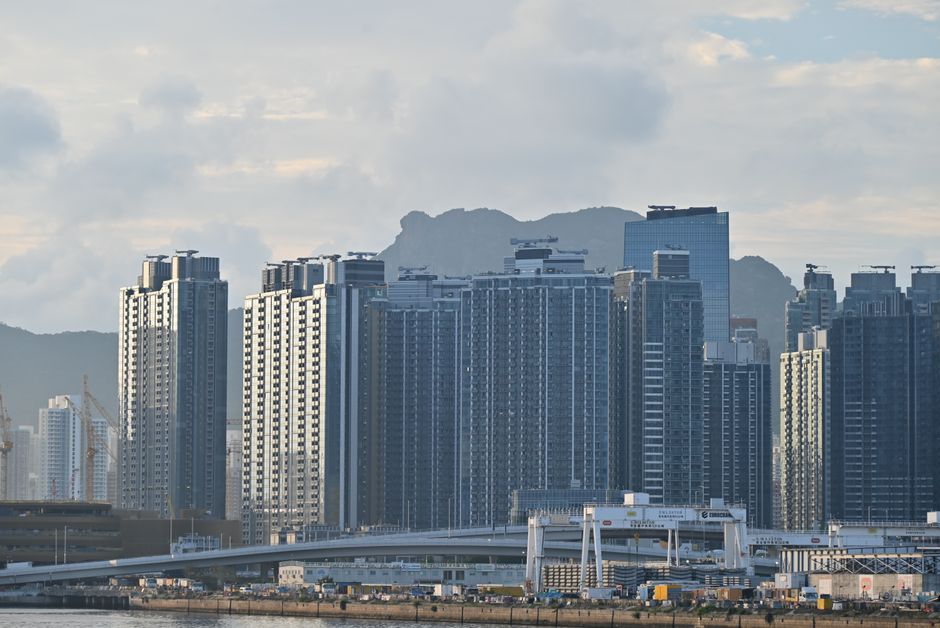
Three neighbourhoods are commanding attention right now. Tseung Kwan O, once dismissed as a satellite town, is benefiting from completed MTR Circle Line connectivity and the nearby Lohas Park development. Recent transactions suggest prices have stabilised around HKD 6–7 million for three-bedroom units—roughly 25–30% below Kowloon equivalents. The driver? Young families seeking value without sacrificing commute times to Central or Causeway Bay.
Tin Shui Wai, further north, presents a different calculus. The government's "Northern Metropolis" blueprint—anchored by major transport links and planned commercial zones—has repositioned what was historically seen as overflow housing. Units near Celestial Lake development or within walking distance of Tin Shui Wai MTR station are moving briskly, with HKD 4–5 million two-bedroom flats increasingly scarce. The narrative here centres on infrastructure completion: Long Valley Road improvements and the planned Heung Yuen Wai development will reshape the area substantially by 2028.
Kwai Tsing, bridging the New Territories and Kowloon, occupies a sweeter middle ground. Proximity to Kwai Fong MTR and regeneration around Kwai Chung Industrial Estate—now attracting cultural and creative uses—has attracted owner-occupiers and smaller investors alike. Mid-range family units command HKD 5.5–6.5 million, with rental yields hovering near 2.5–3%.
What's driving prices across all three? The eased stamp duty framework for foreign buyers has unlocked demand from regional investors hedging currency exposure. Simultaneously, domestic buyers priced out of urban cores are recognising that HKD 6 million stretches considerably further thirty minutes from Central via MTR than in Causeway Bay or Repulse Bay.
Investors should note: infrastructure timelines matter intensely. Tin Shui Wai's premium reflects *future* connectivity, not current amenity. If government projects slip, so does upside. Equally, oversupply risk persists—large-scale new launches in Tseung Kwan O could compress margins if buyer momentum stalls.
The safest play remains proximity to completed MTR stations with established commercial anchors. But for those with longer holding periods, the Northern Metropolis narrative is genuinely reshaping which neighbourhoods offer genuine long-term appreciation potential.
This article was compiled by AI from the sources linked above and screened before publishing. See our editorial standards.