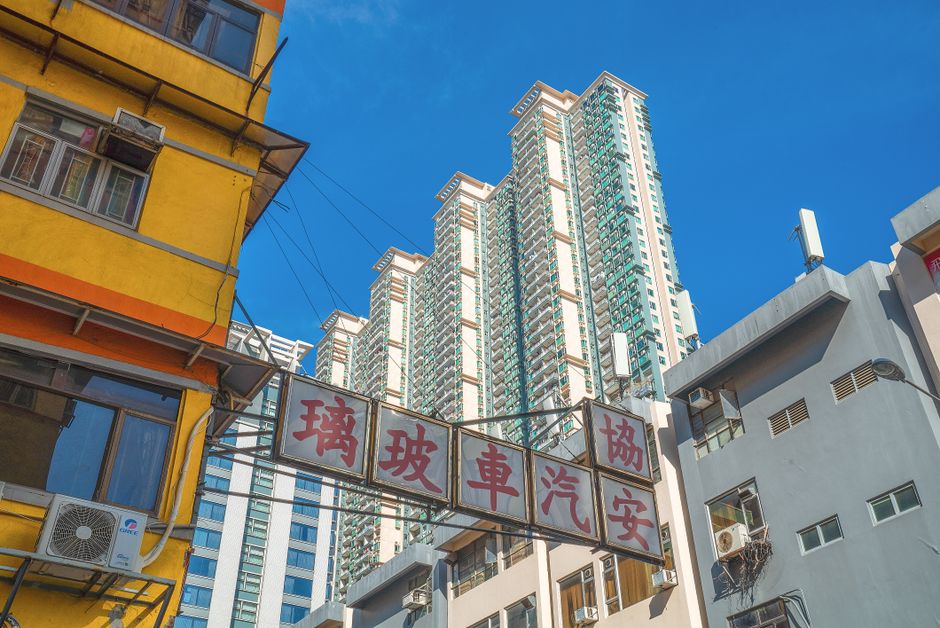
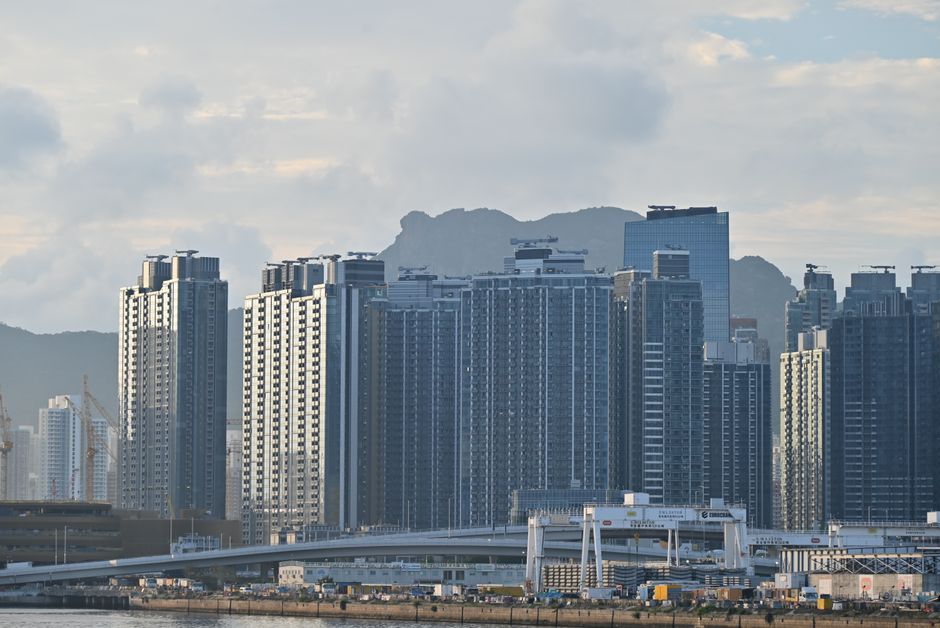
The landlord sitting in a Mong Kok café last week summed up a growing frustration sweeping through Hong Kong's rental market. With maintenance fees climbing and rents capped by market softness, the economics of small-scale property ownership have turned decidedly grim—a reality reshaping both sides of the tenant equation.
Data from the Urban Renewal Authority and Housing Department paint a picture of a market in flux. While median flat prices hover around HK$8-10 million, rental yields have compressed to historic lows. In established neighbourhoods like Causeway Bay and Central, where prime office-cum-residential conversions dot the skyline, landlords report vacancy periods stretching to three months—unheard of a decade ago. Meanwhile, property owners in Sham Shui Po and Mong Kok, traditionally affordable bastions, are watching tenants decamp to subdivided units in Yuen Long or Tuen Mun, where an extra 30-minute commute buys them HK$2,000 monthly savings.
The ripple effects are significant. Smaller property investors—those holding one or two units rather than portfolios—are increasingly exiting the market. Without economies of scale, they absorb repair costs, property tax hikes, and management fees that have risen 15-20% over three years. Several have quietly converted units to holiday lets or sold to developers eyeing redevelopment, particularly along Nathan Road and in Wong Tai Sin.
For tenants, this consolidation cuts both ways. Those seeking traditional rentals in established areas find themselves competing fiercely, pushing some toward precarious arrangements. The average lease negotiation in Kowloon now stretches six weeks, compared to two weeks in 2020. Yet paradoxically, choice has narrowed—fewer individual landlords means fewer flexible arrangements, fewer month-to-month options, fewer negotiations around maintenance responsibility.
The government's affordable housing push through the Housing Authority and new initiatives in the New Territories are gradually reshaping expectations. Public housing waiting lists remain long, but the emphasis on transit-oriented developments around MTR extensions in Yuen Long and Tuen Mun is creating pockets of affordability. For private renters unable to access public housing, however, the calculus remains brutal: compromise on location, accept longer commutes, or pay premium rents for shrinking stock in central areas.
Policy makers are quietly acknowledging the tension. With stamp duty eased for foreign buyers in recent years, the perception that Hong Kong's rental market serves investors over residents has intensified pressure for intervention. Yet traditional landlords—often retirees or small savers dependent on rental income—argue they're being squeezed from both directions: rent caps by market forces, costs rising by regulation and inflation.
The market's next chapter will likely depend on whether policy can rebalance incentives without pushing remaining small landlords toward disinvestment, leaving the field entirely to developers and larger institutional players.
This article was compiled by AI from the sources linked above and screened before publishing. See our editorial standards.