The dream of owning property in Hong Kong no longer means targeting Mid-Levels penthouses or Peak villas. A pragmatic first-time buyer today can access the market by understanding where value clusters are shifting—and recognising that neighbourhood character matters as much as proximity to the MTR.
The New Territories have long represented the accessibility frontier. Areas like Tuen Mun and Yuen Long, serviced by the Light Rail network and increasingly sophisticated retail districts, now attract young professionals priced out of Kowloon. A modest two-bedroom flat in Yuen Long averages HK$4.5–5.5 million, nearly half the median across Hong Kong Island. While the commute to Central is longer, the trade-off appeals to remote workers and those employed in Kowloon's business corridors.
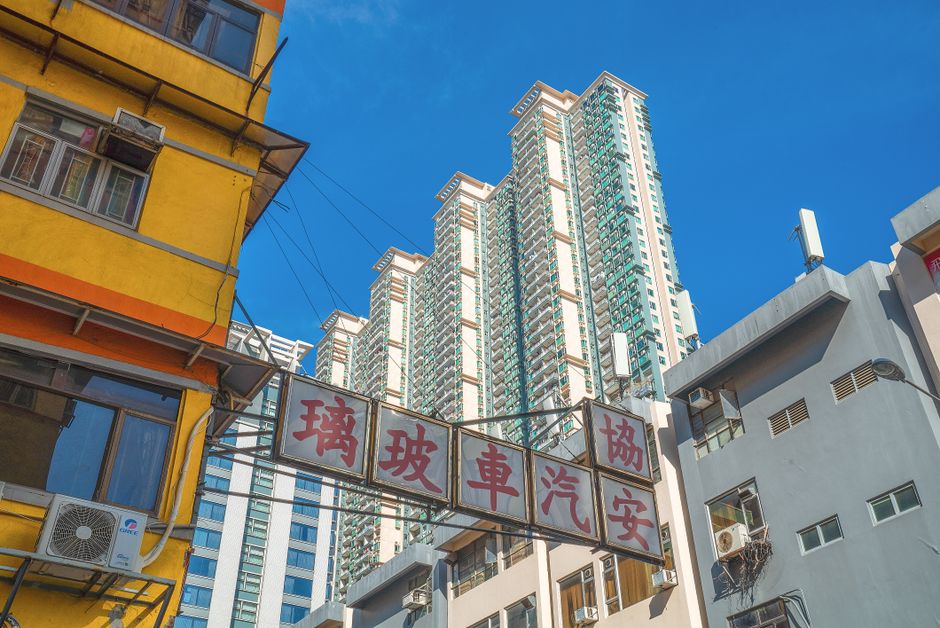
Kowloon's mid-tier neighbourhoods offer a middle ground. Mong Kok and Sham Shui Po, historically working-class, have undergone quiet gentrification. Along Argyle Street and Portland Street, art galleries, specialty cafés, and boutique retail have emerged alongside preserved streetscapes. Properties here—typically HK$6–7 million for a two-bedroom—attract investors betting on continued cultural revival rather than those seeking immediate returns.
For buyers willing to venture further east, areas like Quarry Bay and Fortress Hill present intriguing opportunities. Once residential afterthoughts, these neighbourhoods now boast renovated mid-rise blocks with communal courtyards, proximity to Quarry Bay Park, and increasingly eclectic F&B scenes. The East Kowloon Line, opening in phases, will reinforce connectivity; early movers recognise this infrastructure premium.
First-time buyers should also evaluate lifestyle anchors beyond price. Neighbourhood stability depends on schools, green space, and commercial vitality. Parents favour areas with established educational options; young professionals prioritise walkability and weekend venues. Sai Ying Pun on Hong Kong Island and Sheung Shui in the New Territories both score highly on these dimensions while remaining relatively accessible.
Stamp duty concessions for foreign buyers have expanded the playing field—international purchasers no longer face prohibitive transaction costs, making peripheral but well-connected areas more attractive to diaspora investors.
The 2026 market favours homework. Visit neighbourhoods on weekends and weekday evenings. Talk to local shop owners and property agents familiar with five-year trends, not just recent transactions. Consider your personal commute, not broker narratives about appreciation potential. The best neighbourhood investment is one you actually want to inhabit while waiting for the market to recognise its value.
This article was compiled by AI from the sources linked above and screened before publishing. See our editorial standards.