Hong Kong's property market has shifted. With median flat prices hovering between HKD 8–10 million and transaction volumes cooling, investors are no longer banking solely on price appreciation. Instead, they're hunting yields—and the numbers tell a compelling story about where money is actually being made.
Across Hong Kong, rental yields vary dramatically by neighbourhood. While the Peak and Mid-Levels command premium prices—often exceeding HKD 100,000 per square foot—their rental yields typically hover around 2–2.5% annually. A HKD 50 million apartment might generate just HKD 1.2 million in annual rent. The mathematics are sobering for yield-focused investors.
The narrative changes dramatically in the New Territories. Districts like Sha Tin and Tuen Mun, once dismissed as bedroom communities, now attract serious investor attention. A modest two-bedroom flat near Sha Tin Town Centre, priced around HKD 5–6 million, can command monthly rents of HKD 18,000–22,000. That translates to 3.5–4.4% annual gross yield—nearly double the luxury segment. Local transport infrastructure, proximity to schools, and the MTR's Sha Tin to Central Link have fundamentally reshaped these areas' investment profiles.
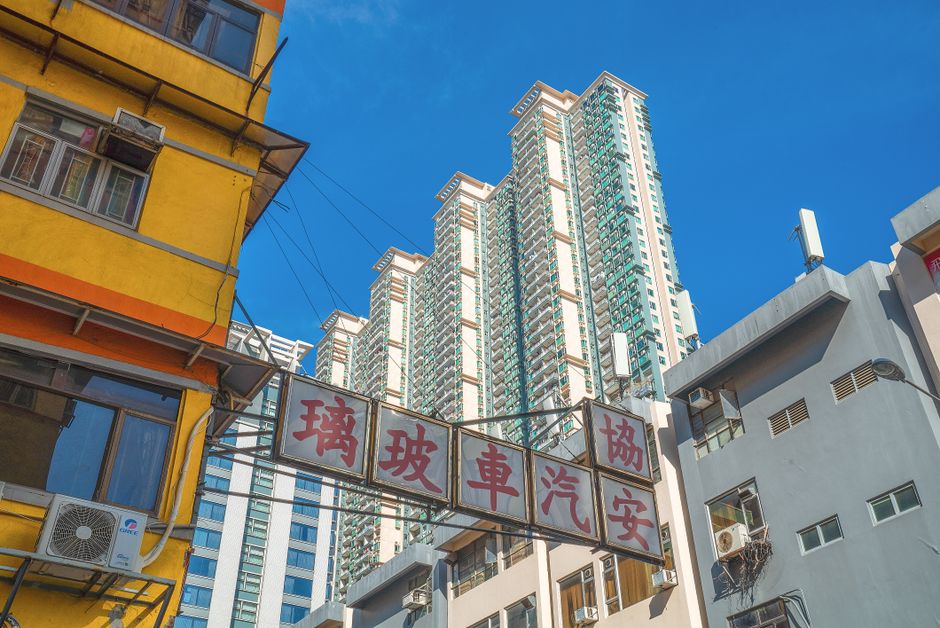
Kowloon's mid-tier neighbourhoods present a middle ground. Areas around Mong Kok and Sham Shui Po have gentrified considerably, with older walk-up buildings now attracting young professionals and expatriate renters. Properties in the HKD 4–6 million range yield 3–3.5% annually, while offering better capital appreciation potential than remote New Territories locations. The District's proximity to Central Business District and cultural venues near Portland Street and Argyle Street creates sustained tenant demand.
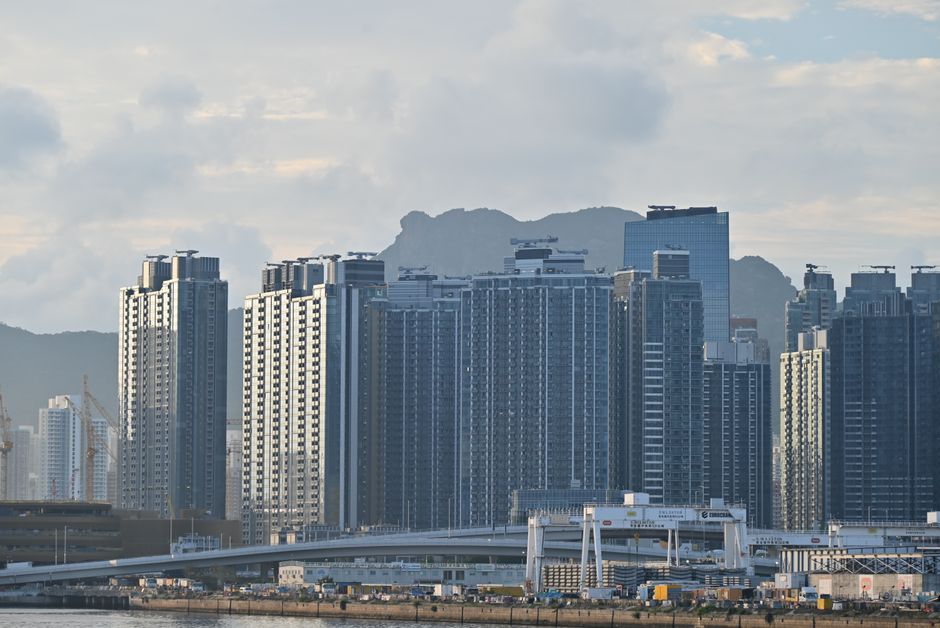
What's driving these yield patterns? Supply constraints play a role. New Territories developments like Lohas Park and Monterey add inventory, but demand from families and commuters remains robust. Conversely, luxury neighbourhoods face oversupply relative to their tenant base—not every high-net-worth individual seeks rental accommodation.
The broader trend reflects market maturation. Regulatory changes, including eased stamp duty for foreign buyers, have attracted international capital seeking income rather than speculation. Local investors, confronted with slowing price growth, increasingly evaluate neighbourhoods like Tai Wai and Ma On Shan through a yield lens.
For property investors, the message is clear: neighbourhood selection must align with investment strategy. Capital appreciation seekers might still favour established luxury districts, but those prioritising cash flow should examine New Territories and mid-tier Kowloon markets where 3.5–4% yields remain achievable. The data suggests the spreadsheet now matters more than the postcode.
This article was compiled by AI from the sources linked above and screened before publishing. See our editorial standards.