For first-time buyers in Hong Kong, the calculus has always been brutal: median flat prices hovering around HKD 8-10 million across the harbour, with Peak and Mid-Levels commanding eye-watering premiums. But a wave of new developments—particularly in areas like Kai Tak, Lohas Park expansion, and the New Territories' Hung Shui Wai—is quietly rewriting the entry-level playbook.
The appeal is straightforward. New projects typically offer longer mortgage tenures (up to 30 years for some buyers), developer financing schemes that ease initial cash requirements, and crucially, lower entry prices than comparable resale flats. A two-bedroom in an emerging New Territories scheme might fetch HKD 3.5-4.5 million, versus HKD 5-6 million in established Kowloon neighbourhoods like Mong Kok or Causeway Bay. That differential matters when you're stretching your savings.
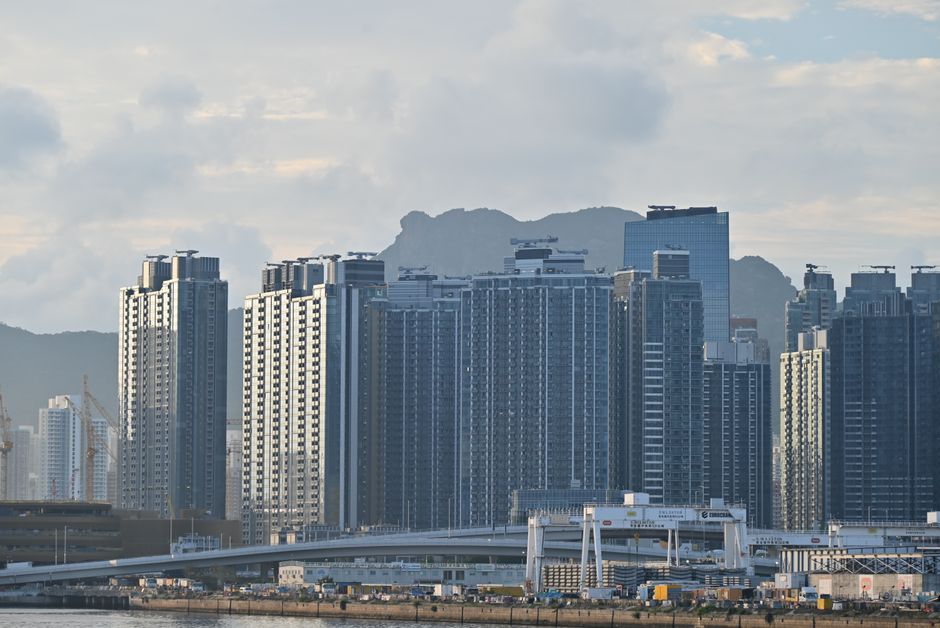
But buying into a new development isn't purely financial arithmetic—it's a bet on neighbourhood transformation. Take Kai Tak, where the former airport site is morphing into a mixed-use district centred around the sports park. First-time buyers purchasing there today are essentially purchasing into infrastructure that doesn't yet fully exist: MTR connections, retail clusters, and community facilities that will take another 3-5 years to materialise. The payoff? Potential capital appreciation as the area matures, plus the novelty of helping shape a neighbourhood from scratch.
Similarly, Hung Shui Wai in Yuen Long represents the government's strategic push to ease housing pressure in the northwest New Territories. New units there sit 30-40 per cent below comparable Kowloon pricing, appealing to buyers willing to trade commute time for affordability. The trade-off is accessibility: you're banking on the planned transport links and retail developments actually arriving on schedule.
For eligible first-time buyers, several avenues exist beyond traditional mortgage routes. The Housing Authority's Home Ownership Scheme, though limited, occasionally releases units at significant discounts. Private developers often bundle incentives—furniture allowances, extended payment terms, or reduced down payments—to attract early purchases in unfamiliar areas. Some schemes even offer stamp duty assistance or buyer-friendly mortgage terms for qualifying first-timers.
The real calculus involves patience and risk tolerance. New developments demand you believe in the neighbourhood's future—that Kai Tak will rival Kowloon Bay, or that Hung Shui Wai will become a proper satellite hub rather than a commuter suburb. For buyers aged 25-35, with stable income and a decade-plus investment horizon, that bet often pays off. For those seeking immediate walkability and established amenities, the resale market in established pockets—Tin Shui Wai, Tseung Kwan O—might remain safer ground.
The window is narrowing. As new supply materialises and early-bird pricing evaporates, first-timers would be wise to act within the next 12-18 months. The next wave of neighbourhood transformation in Hong Kong won't wait.
This article was compiled by AI from the sources linked above and screened before publishing. See our editorial standards.