Property
Rental Yields Under Pressure: What Hong Kong Property Returns Really Show Investors
As median flat prices hold firm around HK$9 million, investor returns are tightening—and geography matters more than ever.
2 min read
Updated 15 h ago
Property
As median flat prices hold firm around HK$9 million, investor returns are tightening—and geography matters more than ever.
2 min read
Updated 15 h ago
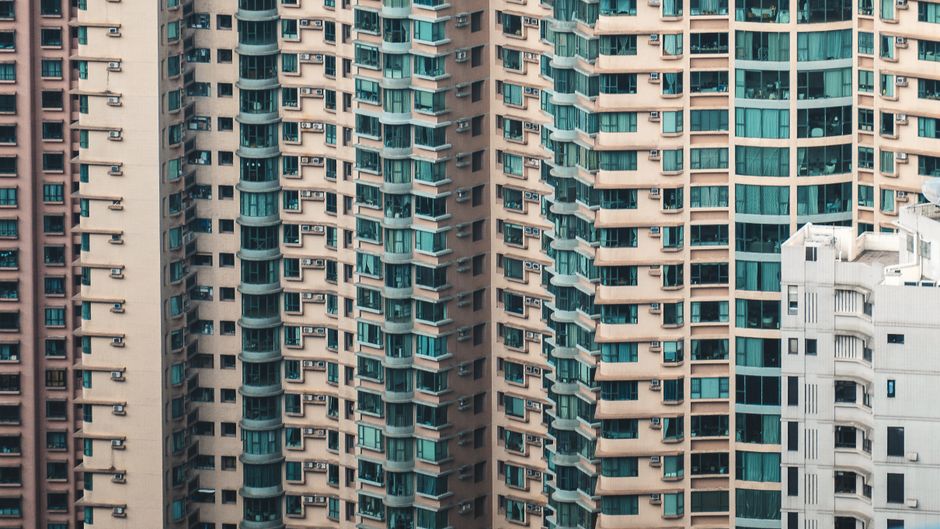
Hong Kong's property investment thesis is shifting. While headline prices remain resilient near the HK$8–10 million median, rental yields—the metric that separates serious investors from speculators—are painting a more cautious picture than many expect.
Data from recent transactions across key districts reveals the squeeze. In Causeway Bay, where a typical 600-square-foot flat commands HK$7–8 million, monthly rents hover around HK$28,000–32,000. That translates to an annual yield of roughly 4.2–5.5 per cent before costs. Deduct management fees, rates, maintenance, and vacancy periods, and net returns dip closer to 3–3.5 per cent—barely outpacing inflation.
The story diverges sharply in the New Territories. Developers and buy-to-let investors are increasingly focusing on towns like Tuen Mun and Yuen Long, where a HK$4–5 million unit can command HK$16,000–18,000 monthly rent. That yields 4–5 per cent gross—and critically, attracts families and long-term tenants seeking space and value. The calculus changes when turnover costs drop and vacancy rates fall.
Peak and Mid-Levels remain a different animal entirely. A HK$25 million Victoria Peak property renting for HK$80,000 monthly delivers just 3.8 per cent gross yield. Yet these ultra-prime assets have historically offered capital appreciation that compensates for modest cash-on-cash returns. That dynamic held firm until recently; today's tighter lending environment has muted buyer appetite for trophy properties, raising questions about exit velocity.
The easing of stamp duty for foreign buyers—a policy tweak designed to stimulate demand—has had uneven effects. While it lowered friction for overseas investors eyeing Kowloon mid-tier buildings like those near Causeway Place, it hasn't materially lifted rents. Supply remains the governing constraint: without fresh development, rental growth will struggle to outpace wage inflation.
What the numbers show, ultimately, is market segmentation. Investors chasing yields above 5 per cent must move east and north—to the New Territories and beyond. Those comfortable with sub-4 per cent returns are betting on capital gains and prestige. The middle ground—traditional Kowloon and mid-tier Hong Kong Island portfolios—now offer the least compelling risk-adjusted returns, explaining why institutional capital has grown more selective.
For retail investors recalibrating expectations, the message is clear: buy where you live, or buy for measurable yield. The era of effortless double-digit returns is definitively closed.
This article was compiled by AI from the sources linked above and screened before publishing. See our editorial standards.
About this article
Published by The Daily Hong Kong
Spread the word
Daily brief
Free, in your inbox before 7am. Weekdays.
Before you go
The day's Hong Kong news in a 2-minute read. Free, weekday mornings.