Yuen Long's New MTR Hub Reshapes Affordability: How Emerging Projects Are Lifting Prices Across the Territory
As major infrastructure and residential developments anchor the New Territories, housing costs in once-overlooked pockets are climbing—signalling a fundamental shift in how Hong Kong's families access homeownership.
This article was generated by AI from the linked public sources. The Daily Hong Kong is independently owned and covers Hong Kong news free from advertiser or sponsor influence. Read our editorial standards →
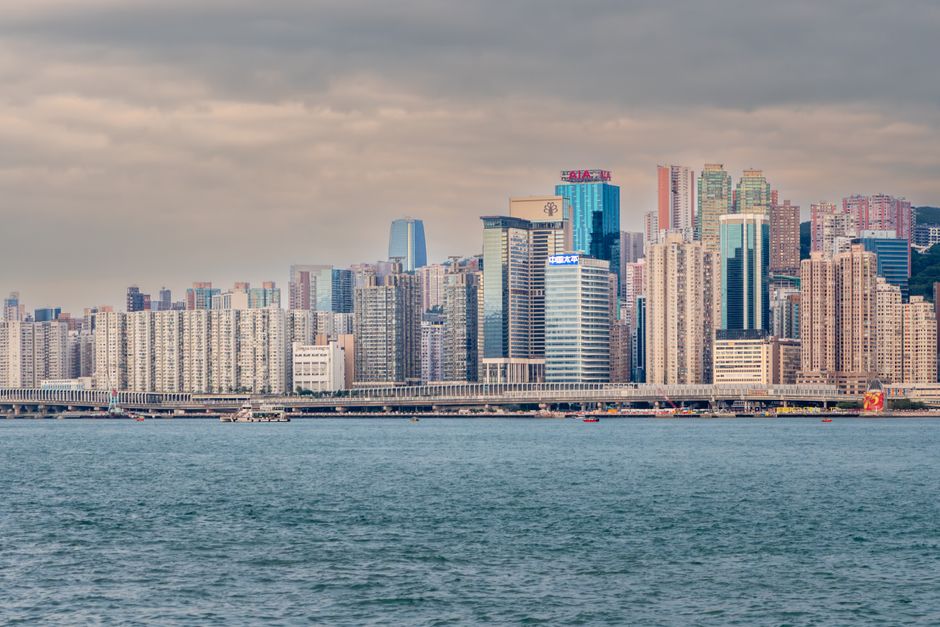
The completion of the Yuen Long Cultural and Transport Hub, coupled with three major residential projects breaking ground within a two-kilometre radius, has triggered a noticeable upward pressure on property values across the district. Flats that commanded HKD 6.2 million two years ago now fetch HKD 7.8 million on average, according to recent transaction data. For a market where the territory-wide median sits between HKD 8–10 million, Yuen Long's trajectory represents both opportunity and concern for middle-income families seeking affordable entry points.
The Lam Tei waterfront redevelopment—a mixed-use complex integrating 1,200 residential units with retail and community facilities—exemplifies how new infrastructure anchors neighbourhood transformation. The project's phased completion, beginning in late 2027, is already reshaping buyer sentiment. Secondary market activity has intensified, with investors anticipating rental yields and capital appreciation tied to improved transport connectivity and commercial amenities.
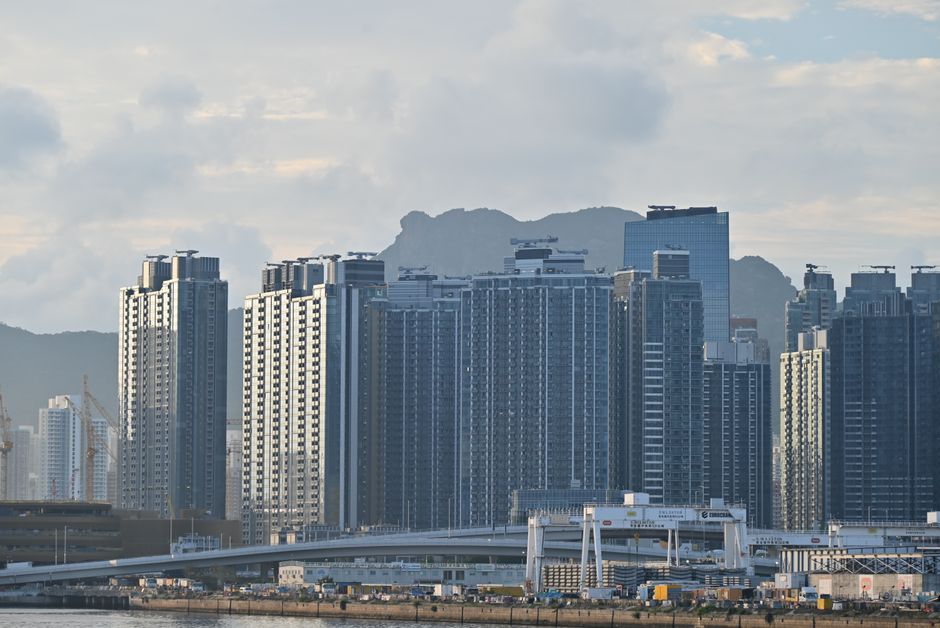
Across the harbour in Kowloon, the Kai Tak Sports Park precinct tells a parallel story. The planned residential towers flanking the arena and velodrome promise 2,000-plus units within walking distance of the Park MTR station, due to open in 2029. Property agents report mounting inquiry from young professionals priced out of Mong Kok and Ho Man Tin, where median prices now exceed HKD 12 million. Kai Tak's emerging ecosystem—anchored by civic infrastructure rather than commercial cores—signals that Hong Kong's affordability puzzle is increasingly geography-dependent.
Yet this development-led appreciation cuts both ways. Existing residents in transitional areas face rising rental costs as landlords capitalise on neighbourhood uplift. Community organisations working with vulnerable overseas families, part of initiatives like 'Home for a Home,' report heightened difficulty securing stable, affordable accommodation in districts undergoing regeneration.
The real wildcard remains the eased stamp duty for foreign buyers introduced last year. Property consultants note that international capital, attracted by Hong Kong's political stability and regional role, is increasingly targeting pre-completion projects in emerging hubs. This external demand, layered atop local buyers' natural flight from saturated markets, may entrench a two-tier affordability landscape: premium developments with global appeal, and shrinking stock accessible to median-income Hong Kong families.
For planners and policymakers, the question is whether new developments meaningfully expand overall supply or simply redistribute demand upwards. Current trajectories suggest the latter—making the next wave of government land releases in the New Territories and Lantau the true test of affordability progress.
This article was compiled by AI from the sources linked above and screened before publishing. See our editorial standards.
Covering property in Hong Kong. This article was generated by AI from the linked sources and was not reviewed by a human editor before publishing. See our editorial standards.