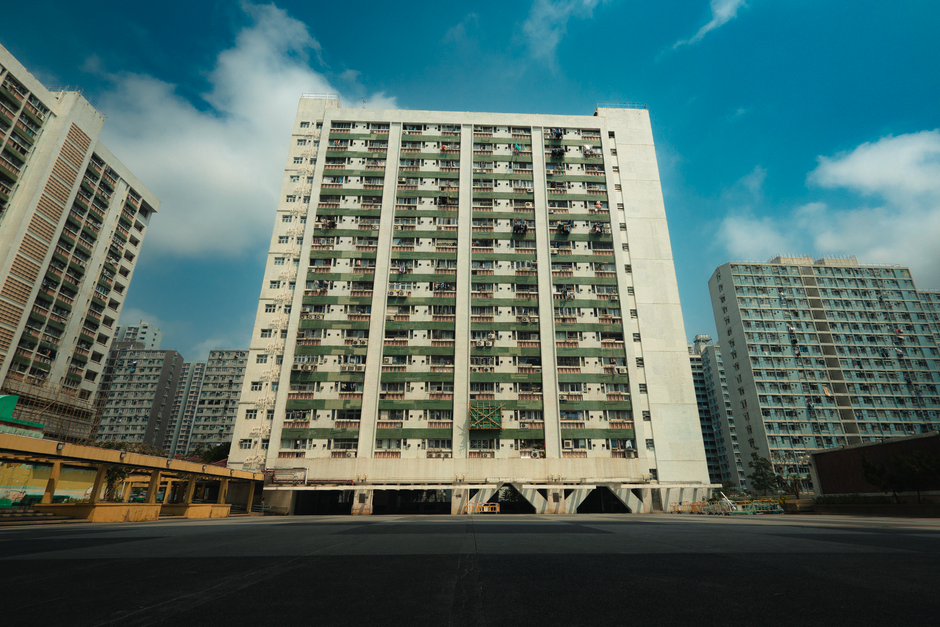
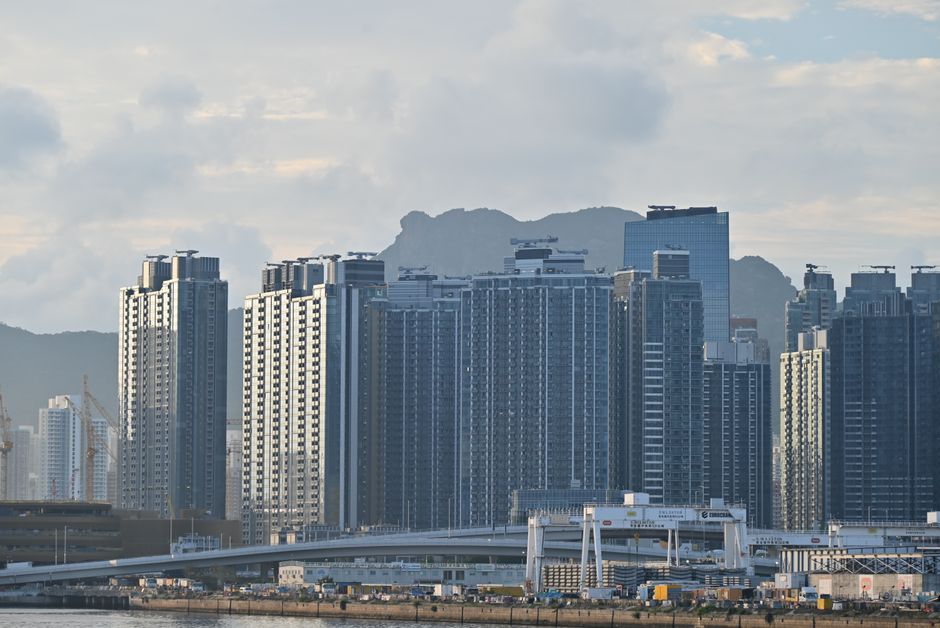
The Hong Kong rental market is undergoing a quiet but significant recalibration. For the first time in years, tenants in neighbourhoods from Causeway Bay to Mong Kok are discovering a counterintuitive advantage: choice. And landlords, accustomed to a seller's market, are adjusting strategies accordingly.
Recent months have seen vacancy rates drift higher across established rental hotspots. In Mid-Levels, where a typical two-bedroom commands HKD 45,000–55,000 monthly, landlords report longer letting periods. A 1,200 sq ft apartment on Conduit Road, previously leasing within weeks, now sits vacant for 6–8 weeks. Similar softening appears in Causeway Bay and along Des Voeux Road West in Sheung Wan, where retail-to-residential conversions have expanded the supply pool.
This shift carries real consequences for both sides. Tenants—particularly expatriate families and young professionals—are negotiating terms once considered inflexible. Rent reductions of 5–10 per cent are emerging in secondary locations. Flexible lease terms, previously rare, now attract interest. Some landlords in Kowloon Tong and Wong Tai Sin are offering furnished options or absorbing utilities to remain competitive.
For landlords, the calculus has changed. Property owners accustomed to passive income from appreciating assets now face a choice: hold out for premium rates or secure reliable tenants through modest concessions. Those with mortgages or maintenance obligations are most exposed. Agents report uptick in refinancing enquiries among owners in the New Territories and Kwai Tsing.
The structural drivers are familiar: remote work reducing expatriate relocation flows, interest rate sensitivity dampening investor appetite, and supply creeping higher as new developments complete. Yet the rental market's adjustment lags the broader property sector, creating a compressed timeline for both camps to recalibrate expectations.
Neighbourhood-specific trends matter. Wan Chai, buoyed by office-to-residential conversions and young professional demographics, remains resilient. Aberdeen and Stanley on the south side continue attracting downsizers seeking more space. But neighbourhoods dependent on transient corporate tenants—Central, Admiralty periphery—show most pronounced softening.
Hong Kong's rental sector, historically rigid and landlord-favourable, is discovering elasticity. It's not a crash; it's a rebalancing. Smart tenants are capturing value through negotiation. Responsive landlords are locking in steady occupancy. Those slow to adapt face longer vacancy windows and eroding yields—a lesson for an asset class that has long assumed perpetual appreciation could offset operational friction.
This article was compiled by AI from the sources linked above and screened before publishing. See our editorial standards.