Hong Kong's property market has entered a critical inflection point. With the median flat price hovering around HKD 9.2 million, buyers and investors are closely watching how recent planning decisions announced by the Urban Planning Committee will reshape neighbourhood values across the territory.
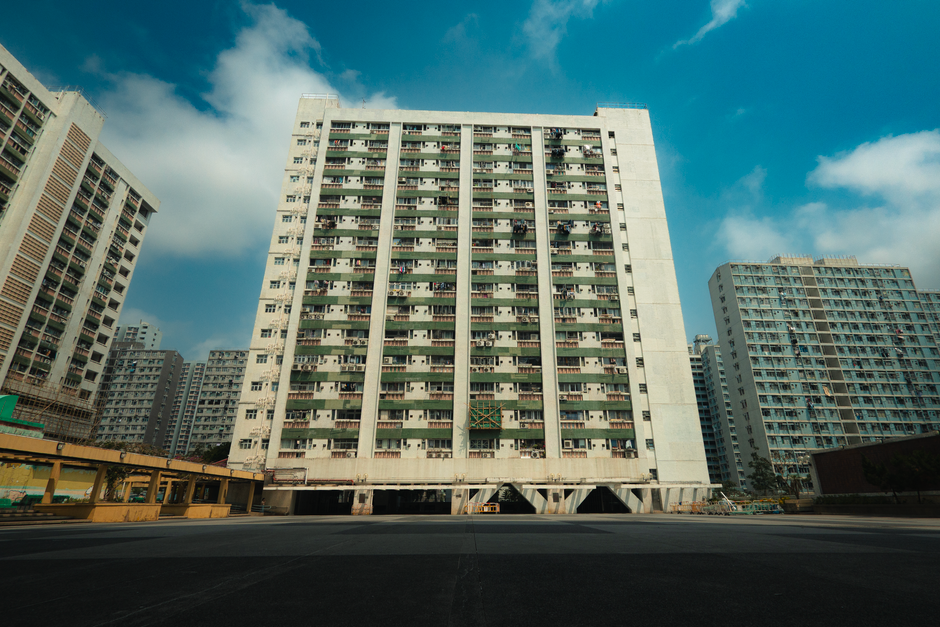
The most significant shift involves accelerated residential zoning in New Territories locations. Approval of major development sites near Hung Shui Tsuen and expansion projects in Yuen Long have already triggered early movement in these traditionally affordable corridors. Properties that traded at HKD 5.8 million eighteen months ago are now commanding HKD 6.7 million—a 16% uplift analysts attribute directly to planning certainty and improved transport connectivity announcements.
"Policy certainty drives price discovery," notes the Real Estate Developers Association perspective on current market conditions. When planners greenlight infrastructure—such as the confirmed MTR extensions serving peripheral areas—developers mobilise quickly, and early purchasers capitalise on pre-announcement spreads.
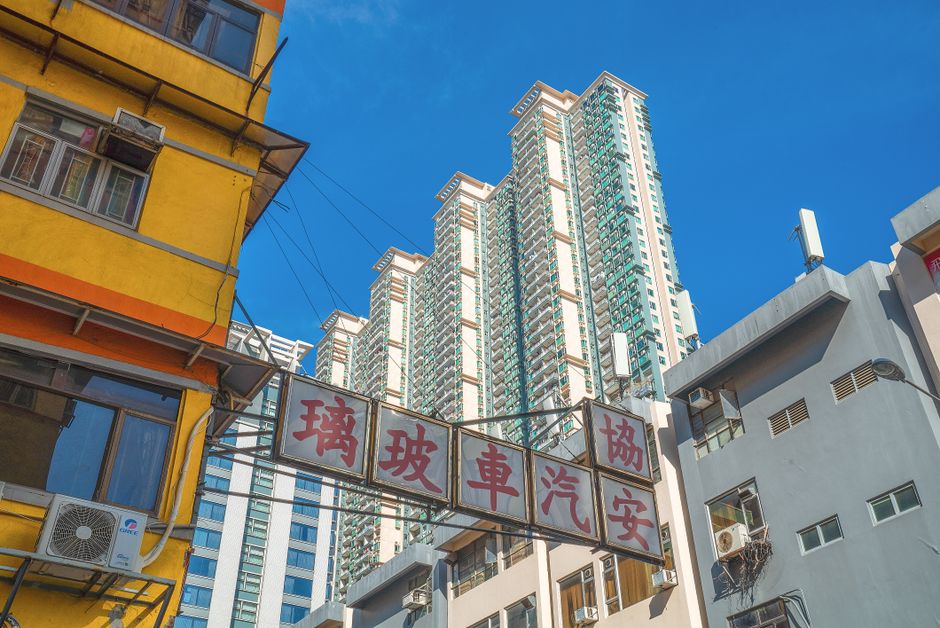
Kowloon's mid-tier markets tell a different story. While Mong Kok and Sham Shui Po have long attracted investors seeking value, the recent preservation of heritage zones and tightened residential conversion policies in these districts have cooled activity. Properties in established neighbourhoods face competing signals: scarcity value versus limited upside from new supply.
The Peak and Mid-Levels luxury segment remains insulated from broad affordability trends, though even here planning decisions matter. The government's refined building height restrictions and protection of green buffer zones have reassured ultra-high-net-worth buyers seeking exclusivity, keeping prices stable around HKD 22-28 million for premium addresses overlooking the Harbour.
Perhaps most telling is the stamp duty relief extended to foreign purchasers—a policy lever designed to stabilise overall market confidence while moderating local domestic demand. Since its implementation, foreign investor participation in premium residential has ticked upward, offsetting concerns about tighter mortgage availability.
The broader picture: policymakers are attempting fine-grained control over market heat by district. Supply expansion in peripheral New Territories aims to ease median-price pressure for owner-occupiers. Heritage protections and conversion limits stabilise mid-market neighbourhoods. Luxury segment freedoms maintain investor appetite. Whether this multi-layered approach succeeds depends on execution. Delayed zoning approvals or construction hold-ups could quickly reverse affordability gains in Yuen Long or Tuen Mun. For now, planning announcements remain the property market's most consequential variable.
This article was compiled by AI from the sources linked above and screened before publishing. See our editorial standards.