Zoning Shift: How MTR Extensions and New Planning Rules Are Remaking Hong Kong's Suburban Property Map
Strategic policy changes across the New Territories and Kowloon are creating pockets of unexpected value—and reshaping where savvy investors are placing their bets.
This article was generated by AI from the linked public sources. The Daily Hong Kong is independently owned and covers Hong Kong news free from advertiser or sponsor influence. Read our editorial standards →
The property market's calculus has shifted dramatically in 2026. While Victoria Peak remains the realm of billionaires and Mid-Levels commands eight-figure premiums, a quieter revolution is unfolding in neighbourhoods like Tuen Mun, Yuen Long, and parts of Sha Tin—driven not by celebrity purchases but by zoning amendments and transport infrastructure decisions that are quietly reshaping property fundamentals.
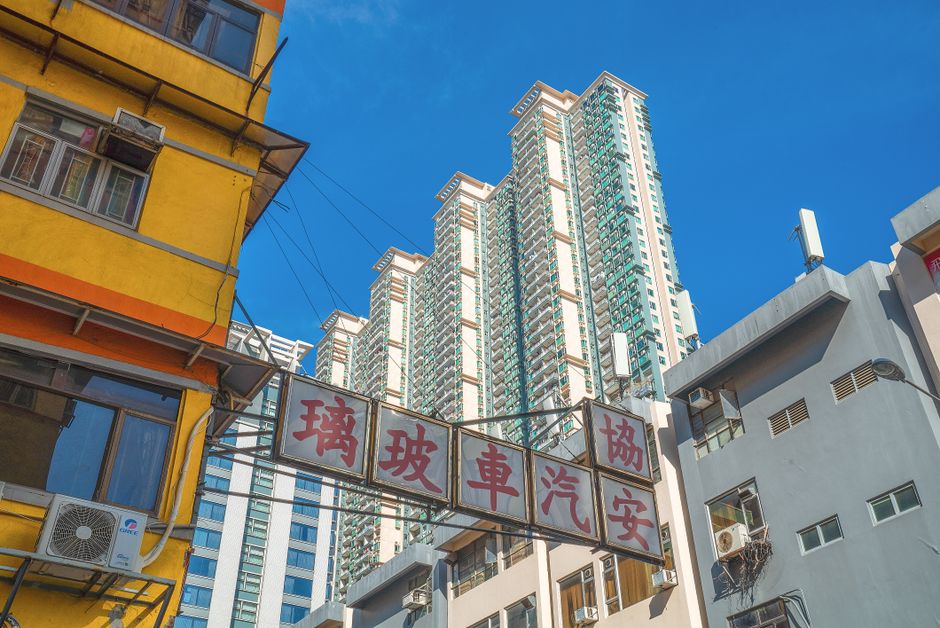
The catalyst began when the Urban Renewal Authority's expanded strategic focus moved beyond Mong Kok and reshaped planning expectations in older industrial pockets. Simultaneously, the extended MTR discussions centring on the West Kowloon Cultural District corridor have shifted investor attention towards Sham Shui Po and Cheung Sha Wan—areas historically viewed as working-class residential neighbourhoods. Recent transactions in the Cheung Sha Wan Road vicinity have reflected this shift, with older walk-ups appreciating 12–15% year-on-year as developers anticipate mixed-use redevelopment frameworks.
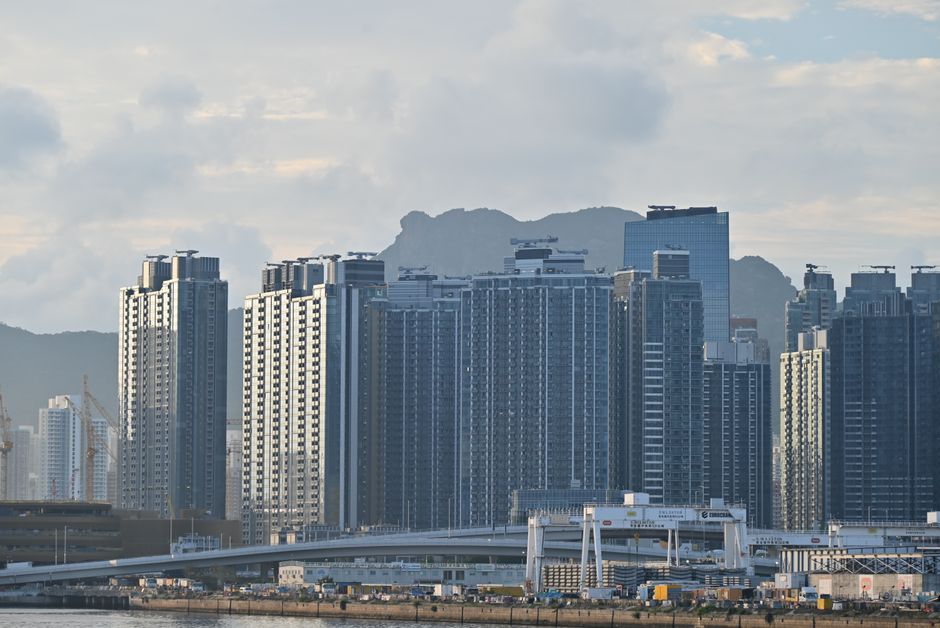
In the New Territories, the government's revised Development Permission Area guidelines have unlocked planning potential in Yuen Long, where median flat prices hover around HKD 6–7 million but now carry enhanced upside potential. The relaxation of density restrictions in specific precincts has prompted institutional buyers to revisit sites previously deemed low-yield. Simultaneously, the Government's pilot 'Transit-Oriented Development' initiative—linking new Metro extensions to zoned residential corridors—has energised Tuen Mun's long-dormant secondary market, with transaction volumes up 23% over the past 18 months.
Policy tailwinds extend to stamp duty adjustments favouring foreign purchasers in designated growth zones, a move designed to offset inventory challenges. The result: Sha Tin properties near the proposed Science Park expansion are attracting cross-border interest that would have been unthinkable three years ago.
However, investors should exercise caution. Policy reversals remain possible, and infrastructure timelines often slip. The Lantau Tomorrow Vision, whilst ambitious, remains heavily dependent on future Cabinet decisions. Similarly, the proposed Congestion Charging scheme for central Kowloon could suppress values in surrounding neighbourhoods if implementation proceeds as planned.
For sophisticated property investors, the narrative is clear: 2026 favours those who read planning announcements as carefully as transaction reports. Neighbourhoods within walking distance of new transport nodes, zoned for mixed-use development, and benefiting from foreign buyer incentives offer genuine alpha versus the Peak's already-priced-in cachet. The next five years will likely reward geography patience and regulatory literacy over celebrity postcode fever.
This article was compiled by AI from the sources linked above and screened before publishing. See our editorial standards.
Covering property in Hong Kong. This article was generated by AI from the linked sources and was not reviewed by a human editor before publishing. See our editorial standards.