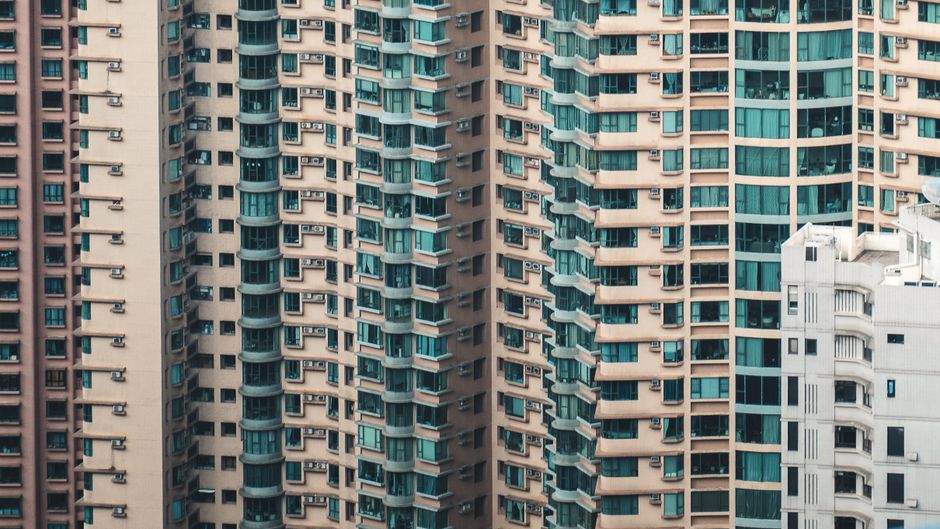
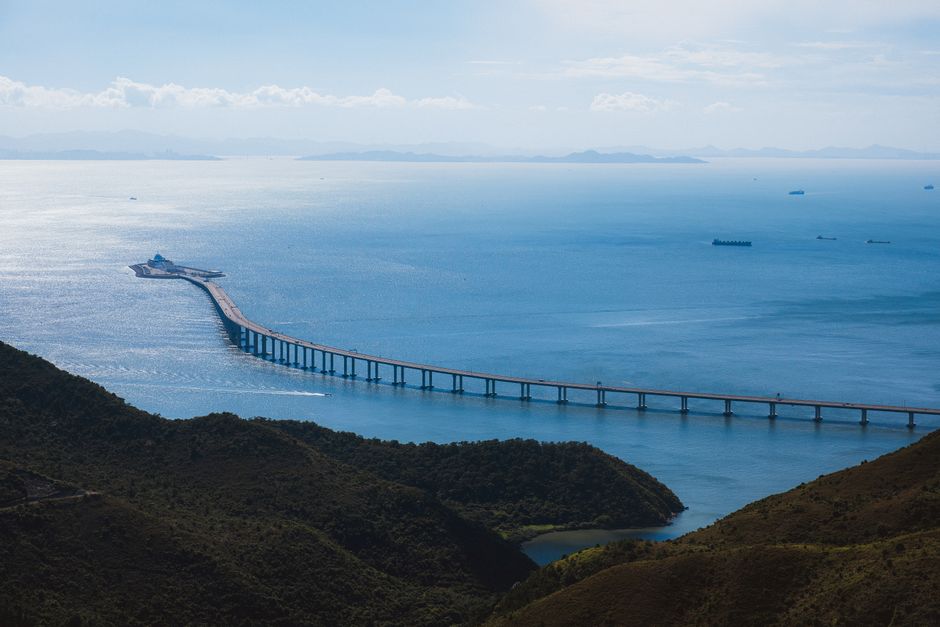
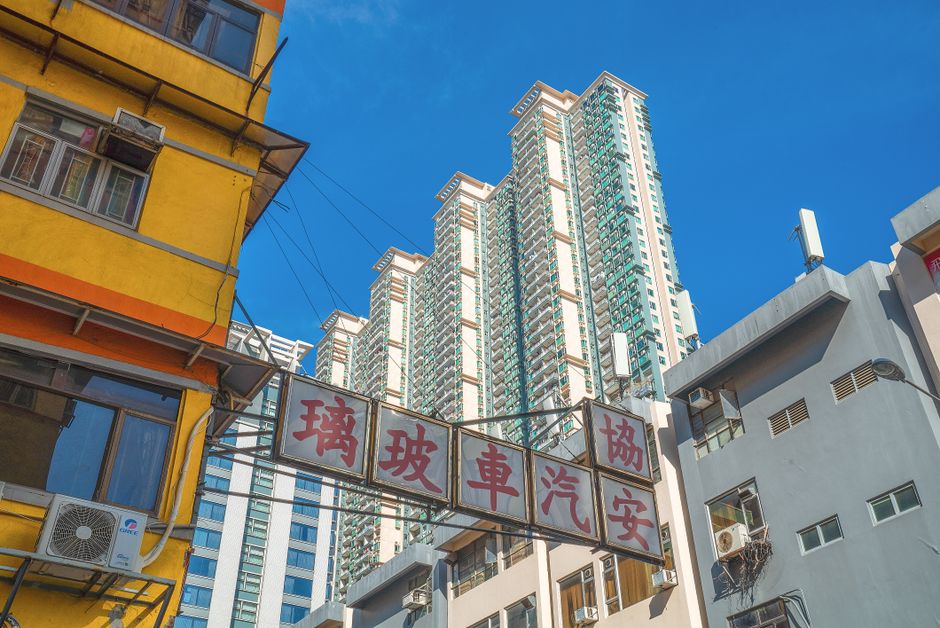
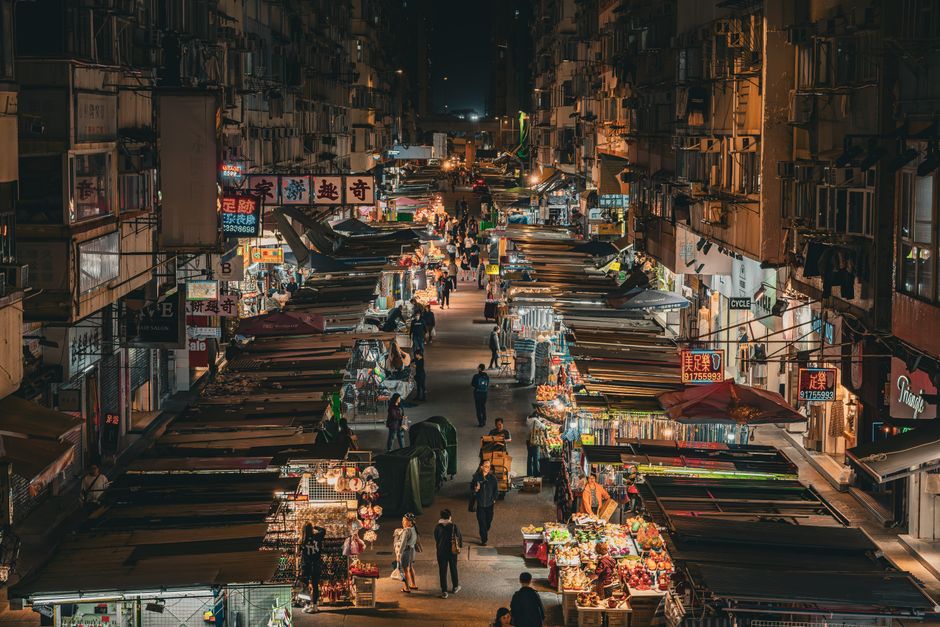
Hong Kong's ultra-luxury residential segment has become a peculiar beast for investors: visibly scarce, aggressively marketed, yet yielding rental returns that would make many pause. Analysis of recent transactions across prime addresses reveals the gap between prestige pricing and pragmatic yields—a tension that increasingly shapes buyer behaviour at the top end of the market.
Consider the mechanics. A HKD 80–120 million penthouse on The Peak or in Mid-Levels commands annual rents typically between HKD 800,000 and 1.2 million—translating to gross yields of just 0.8 to 1.5 per cent. For context, New Territories developments consistently deliver 2.5 to 3.5 per cent, while even Kowloon mid-tier properties hover near 2 per cent. The delta is stark.
Yet transaction volumes in prime luxury corridors—The Peak, Mid-Levels, Repulse Bay, and Victoria Peak Road—remained surprisingly resilient through 2025 and into this year. Real Estate Developers Association data indicates foreign investment in ultra-luxury units surged following Hong Kong's stamp duty relief for overseas purchasers, announced in early 2025. These buyers, typically based in Singapore, Shanghai, or London, appear less yield-obsessed than asset-preservation focused.
Capital appreciation tells a different story. Properties at prestigious addresses like Severn Road or Peak Road have historically appreciated 4–6 per cent annually over 10-year cycles, though recent years show volatility. A HKD 100 million purchase appreciating at 5 per cent generates HKD 5 million in annual unrealised gains—dwarfing rental income but carrying no guarantee.
The real investor stratagem, analysts suggest, blends both: foreign buyers acquiring trophy assets for long-term capital exposure and diversification, accepting low yields as the cost of Hong Kong address prestige and stability. For Hong Kong investors, the calculus differs. Many buyers in Repulse Bay and similar enclaves are empty-nesters downsizing from family homes—a liquidity play rather than yield hunt.
Institutional investors and REITs have notably stayed quiet, deterred by thin margins and high transaction costs. Savills' latest luxury review flagged that ultra-prime stock turnover slowed 12 per cent year-on-year, suggesting even stamp duty relief hasn't dramatically animated the market's core.
The message for yield-focused investors remains unchanged: Hong Kong's luxury market rewards patient capital and geographic prestige over income. Those chasing returns should look east to the New Territories or south across the border. The Peak, it seems, was never built for yield.
This article was compiled by AI from the sources linked above and screened before publishing. See our editorial standards.