Hong Kong's property market has long operated as a study in scarcity economics. With median flat prices hovering around HKD 8–10 million and most first-time buyers priced out of core districts, the government's recent planning interventions have triggered a measurable reshuffling of demand across neighbourhoods—one that reveals which policy levers actually move the needle on affordability.
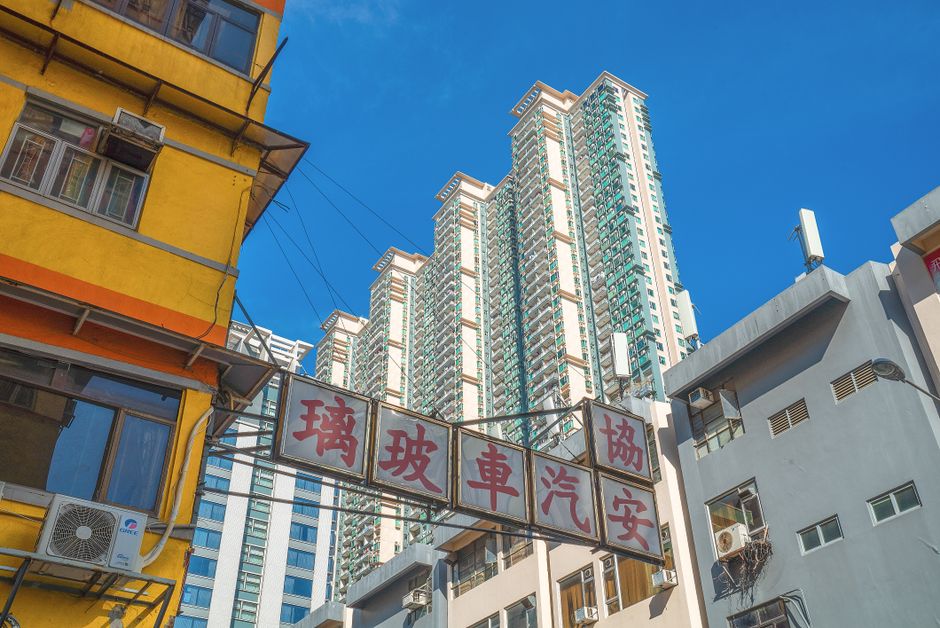
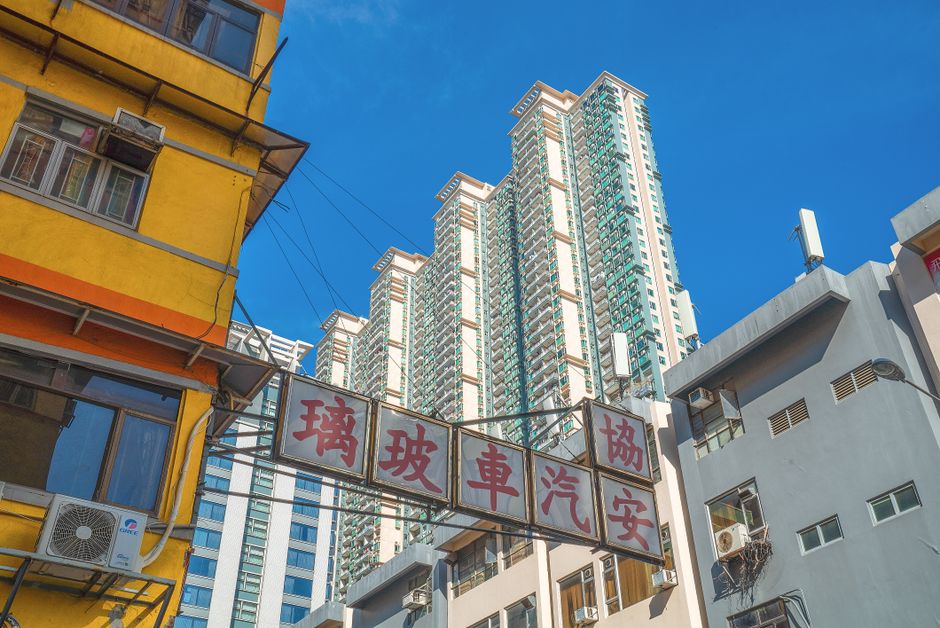
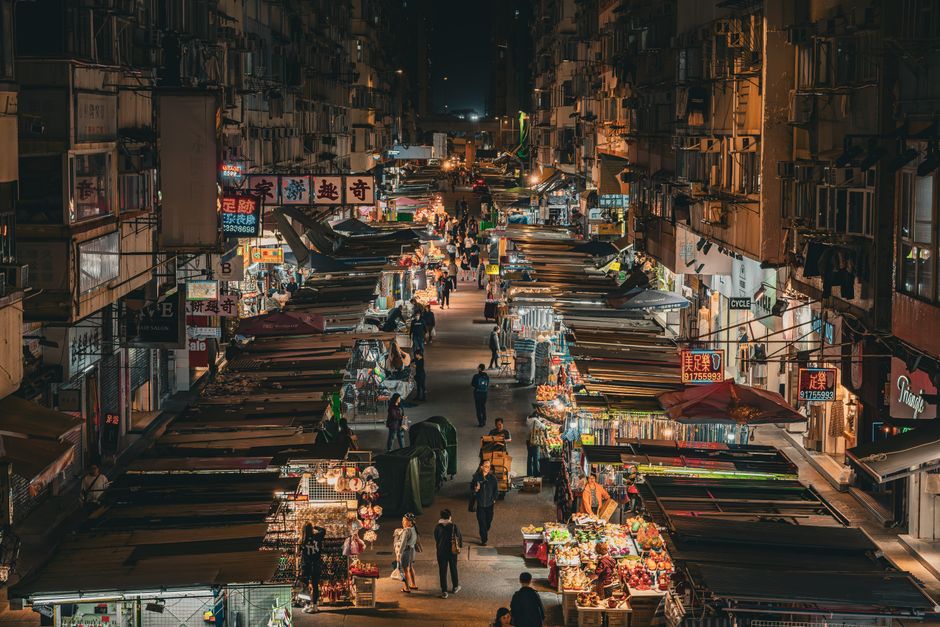
The easing of stamp duty thresholds for foreign buyers earlier this year was expected to unlock luxury demand in the Peak and Mid-Levels. But the more consequential shift has been quieter: the Urban Renewal Authority's accelerated redevelopment framework in aging Kowloon precincts like Mong Kok and Sham Shui Po. By fast-tracking approvals for mixed-use developments, planners have inadvertently created a window where secondary-market prices in these areas have stalled—even as they've risen elsewhere. Buyers anticipating new supply are holding off, creating rare negotiating room in a market where such leverage is almost extinct.
The New Territories tell a different story. Policy changes permitting higher density in suburban nodes around Fanling, Tai Po, and Sha Tin have sparked speculative activity, with some parcels near planned MTR extensions seeing double-digit appreciation in recent quarters. Yet these gains remain largely inaccessible to median Hong Kong households. A newly approved flat in a Sha Tin redevelopment still commands HKD 6–7 million, barely a discount from the harbour-side equivalent.
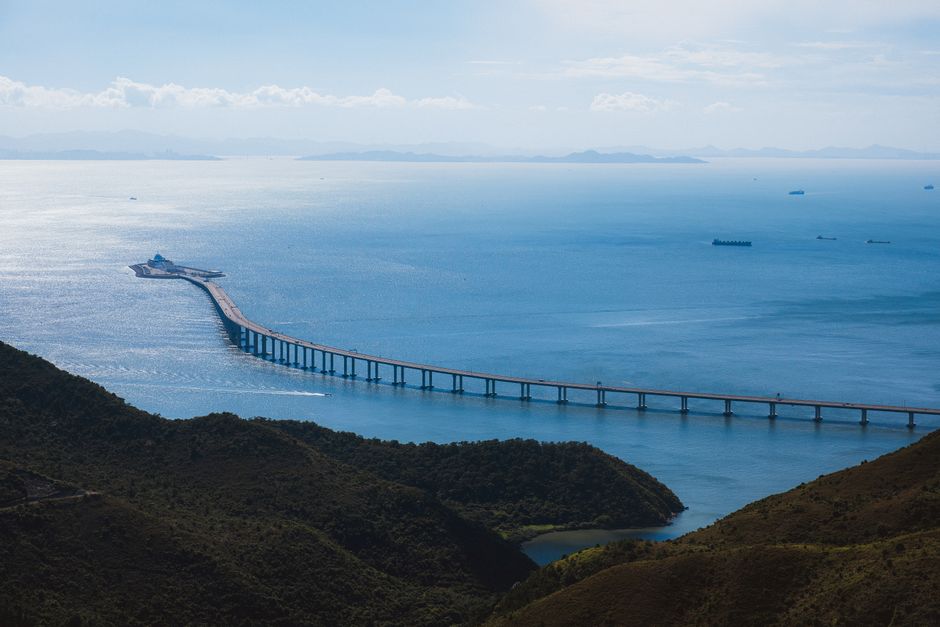
What's genuinely shifted is the timeline. Planning certainty—or the lack thereof—now dictates affordability more than raw policy change. When the government delayed zoning amendments for the Lantau Tomorrow Vision project, developers redirected capital to sites with clearer approval pathways. This reallocation accelerated mid-tier market movement in districts like Kwun Tong, where conversion of older industrial spaces into residential units suddenly felt viable.
The stamp duty adjustment for non-residents, while headline-grabbing, has had minimal impact on the average buyer's experience. A foreign investor purchasing a HKD 15 million apartment saves roughly HKD 600,000—meaningful, but it doesn't unlock entry-level tiers. Instead, the real policy-market coupling is happening at the planning level, where zoning decisions and redevelopment frameworks determine supply, and supply determines everything else.
As Hong Kong's government attempts to address an affordability crisis through planning rather than price controls, the results suggest a fragmented market: some neighbourhoods gaining breathing room, others heating up in anticipation, most remaining stubbornly out of reach for ordinary working families. Policy, it seems, can redirect demand—but cannot yet redistribute it fairly.
This article was compiled by AI from the sources linked above and screened before publishing. See our editorial standards.