Tuen Mun's Waterfront Renaissance: The New Territories' Unlikely Investment Powerhouse
As developers pour billions into transit links and waterfront projects, Tuen Mun is shedding its commuter-town reputation to emerge as Hong Kong's smartest mid-market play.
This article was generated by AI from the linked public sources. The Daily Hong Kong is independently owned and covers Hong Kong news free from advertiser or sponsor influence. Read our editorial standards →
For decades, Tuen Mun was Hong Kong's sleeping giant—a sprawling New Territories suburb where young families squeezed into affordable flats and commuted daily into the city. Today, property investors are awakening to a transformed landscape that's reshaping the entire western corridor's investment thesis.
The numbers tell the story. Secondary market transactions in Tuen Mun have climbed 23% year-on-year, with median unit prices now hovering around HKD 6.2–7.1 million, substantially below the territory-wide median of HKD 8–10 million. But it's the trajectory that matters. New project launches along the waterfront—particularly near the Tuen Mun Waterfront Park and the forthcoming West Rail Phase 2 extensions—have attracted institutional money and owner-occupiers alike, tightening inventory and pushing yields upward to 2.8–3.2% in prime pockets.
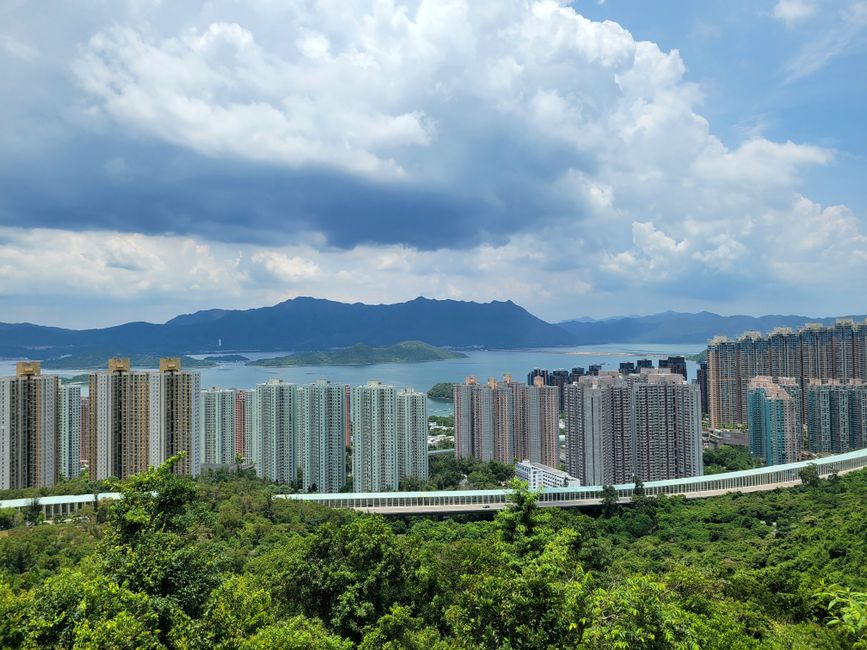
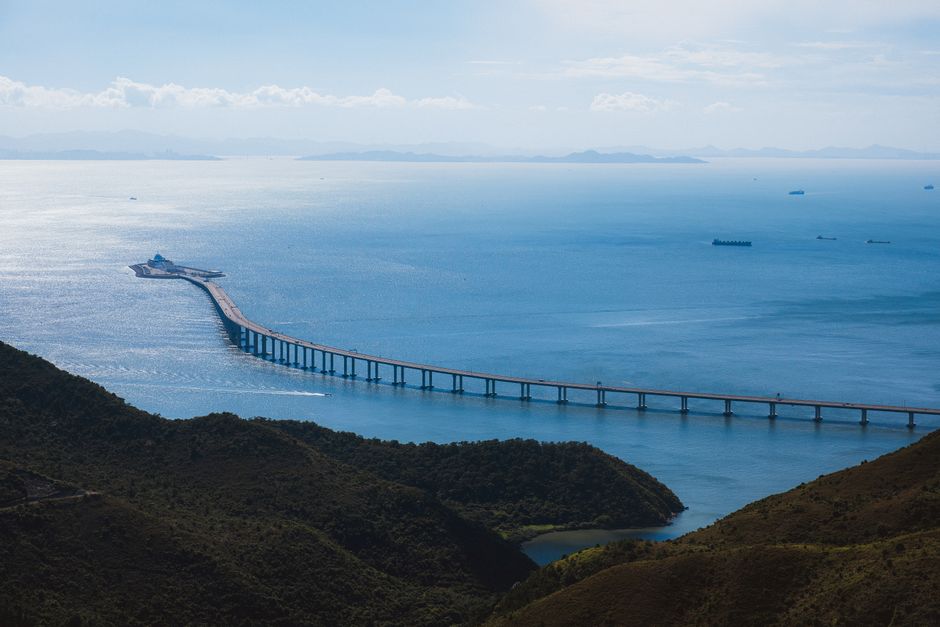
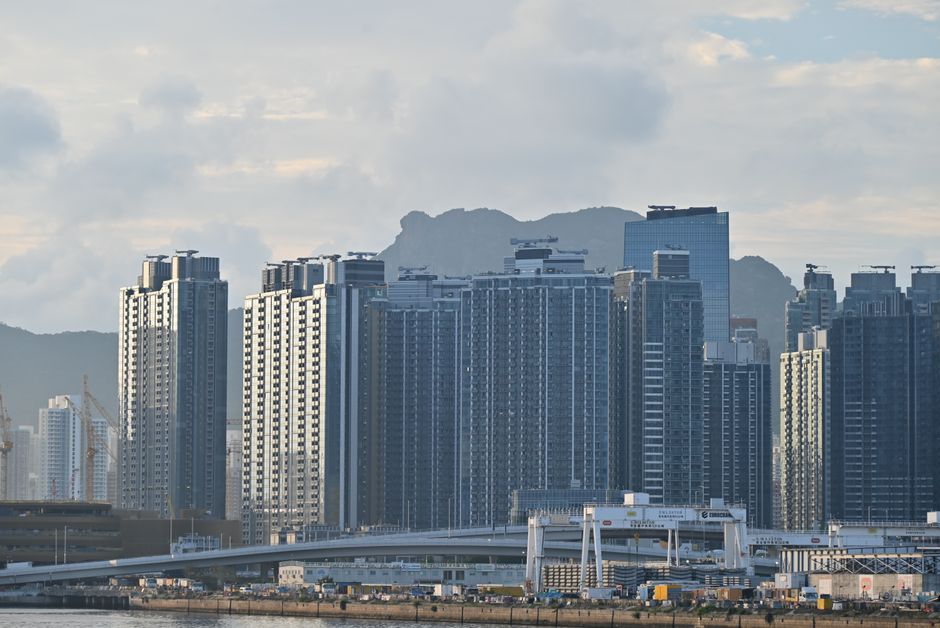
The catalyst is infrastructure. The proposed Tuen Mun–Chek Lap Kok Link, once completed, will slash commute times to Central by nearly 40 minutes. Meanwhile, the Tuen Mun Ferry Terminal, recently upgraded and expanded, now handles 2.3 million annual passengers—a figure climbing steadily as cross-border activity normalizes. Local developers have taken notice: major new-build clusters are rising near Tuen Mun Town Centre and along the Waterfront Promenade, with pre-sales already reflecting the optimism.
Beyond raw returns, Tuen Mun's appeal lies in its changing character. The Tuen Mun Civic Centre hosts exhibitions and cultural events; independent cafés have sprouted along Castle Peak Road; and young professionals are no longer treating the suburb as a stepping stone but as a destination. School catchments—particularly those feeding into nearby international institutions—have become hotly contested, another telltale sign of shifting demographics.
Property consultants note that investors seeking lower entry costs without sacrificing growth potential are increasingly bypassing Kowloon's stagnant mid-tier market—where lateral movement dominates—in favour of New Territories plays like Tuen Mun. The risk calculus is simple: proximity to Central remains compromised, and infrastructure promises don't always materialize on schedule. Yet the combination of affordability, active government investment, and genuine urban renewal has positioned Tuen Mun as the neighbourhood worth watching.
For those who missed the Sha Tin rally or priced themselves out of Tsuen Wan, Tuen Mun represents a rare window. The waterfront is finally waking up—and savvy money is already moving in.
This article was compiled by AI from the sources linked above and screened before publishing. See our editorial standards.
Covering property in Hong Kong. This article was generated by AI from the linked sources and was not reviewed by a human editor before publishing. See our editorial standards.