Hong Kong's property market in 2026 is being redrawn not by sentiment alone, but by deliberate policy decisions that have fundamentally altered where and how buyers should invest. With the median flat hovering around HKD 8–10 million, understanding the regulatory terrain has become as critical as understanding location.
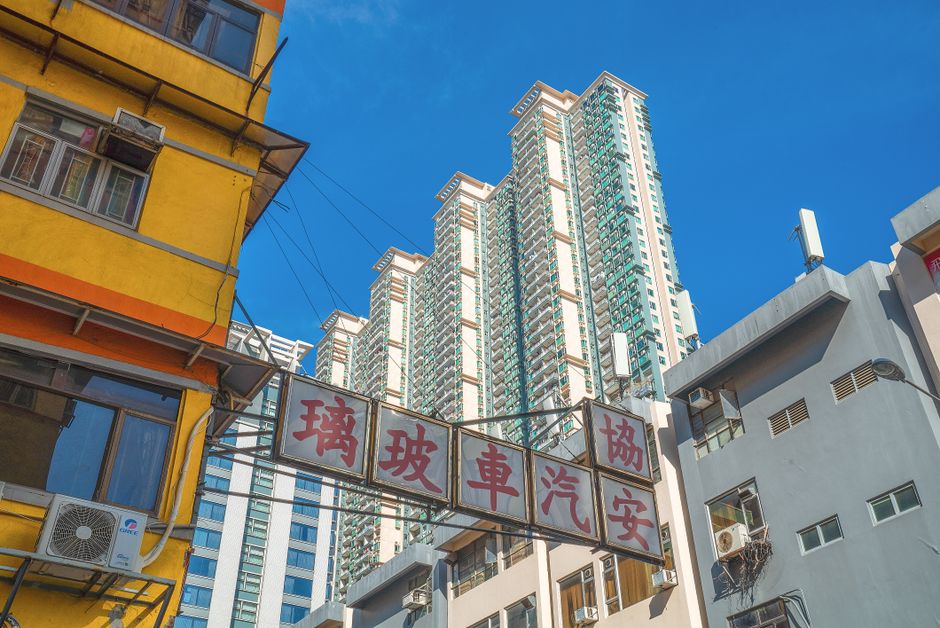
The relaxation of stamp duty for foreign buyers, implemented to stimulate transaction volumes, has already begun reshaping Kowloon's mid-tier corridors. Districts like Mong Kok and Sham Shui Po, traditionally overlooked by international capital, are seeing renewed interest. Simultaneously, the Urban Renewal Authority's accelerated clearance programme in older neighbourhoods—particularly around Tai Kok Tsui and Cheung Sha Wan—is creating investment flashpoints. Buyers who previously avoided aged tenement blocks now recognise that URA designation often precedes significant value realisation, with compensation timelines and redevelopment potential now priced into market expectations.
The New Territories, long positioned as affordable alternative space, faces a more nuanced policy environment. The government's expansion of New Town development zones around Hung Shui Tsuen and Fanling-Sheung Shui has triggered speculative activity. Yet these gains remain tethered to infrastructure completion milestones—MTR extensions and roadworks—making policy execution timing as important as policy announcement.
More subtly, the Planning Department's tightened restrictions on unauthorised structures and increased enforcement in residential areas have crimped yields for investors banking on subdivided-flat models. This regulatory tightening has pushed capital toward properly zoned, compliant units, narrowing the value gap between Mid-Levels legitimately developed properties and questionable informal conversions.
For luxury buyers eyeing Peak and Mid-Levels properties—the HKD 30–100 million bracket—policy shifts are equally material. Recent Foreign Investment in Real Property Tax (FIRPT) discussions, though not yet formalised, have prompted early moves among international money. Peak Road and Stubbs Road have seen absorbed inventory as buyers front-run potential future taxation.
The Lantau Tomorrow Vision framework, still in planning phase, represents the market's longest-term policy wildcard. Land reclamation projects and new transport links could reshape affordable family housing options, but execution remains 5–10 years out. Conservative buyers should treat Lantau exposure as speculative, not foundational.
The 2026 buyer's playbook demands a shift: scrutinise planning announcements before yield, map URA zones before neighbourhood demographics, and track infrastructure completion dates as closely as interest-rate movements. Policy, not just pricing, now signals opportunity.
This article was compiled by AI from the sources linked above and screened before publishing. See our editorial standards.