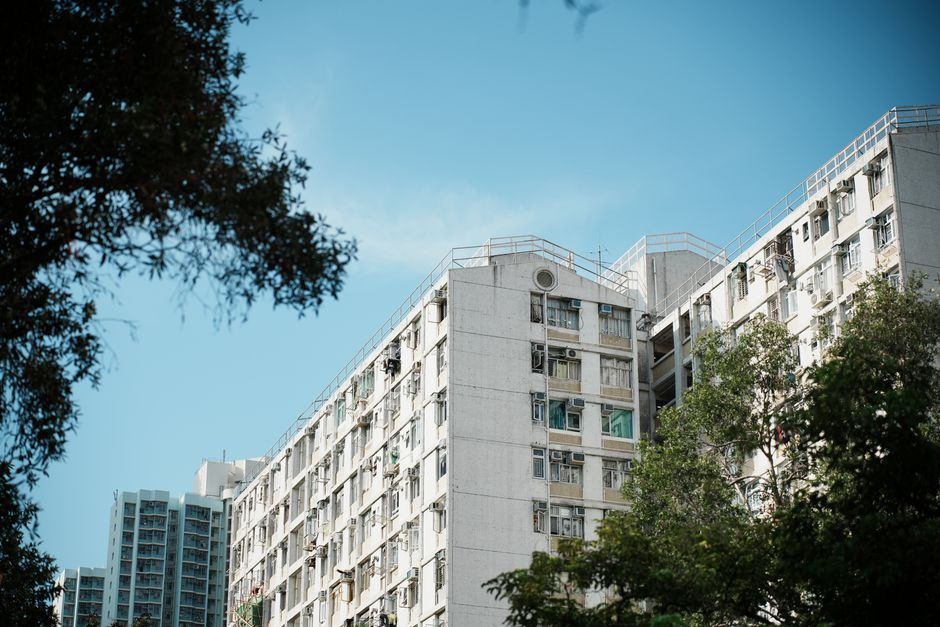
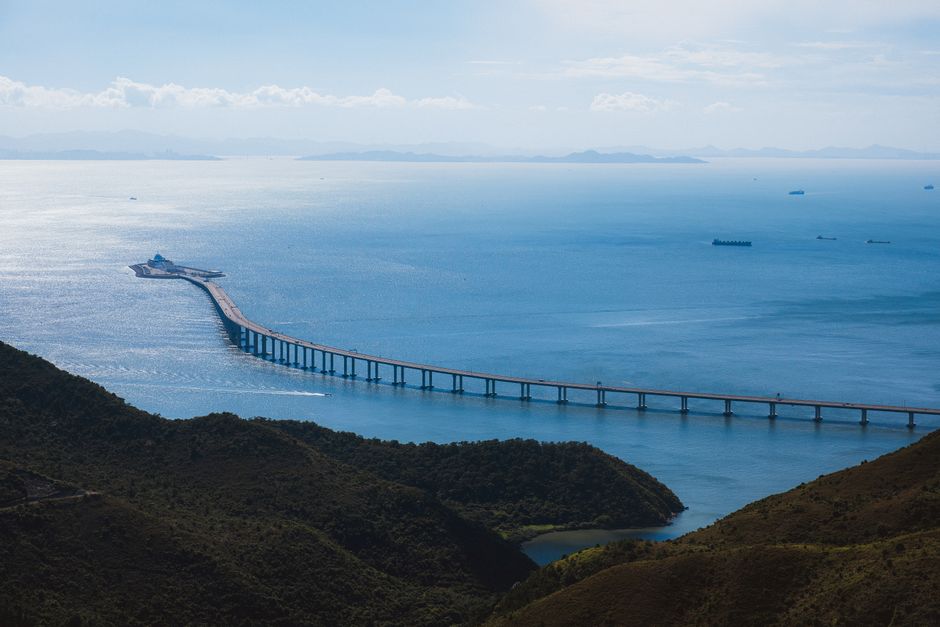
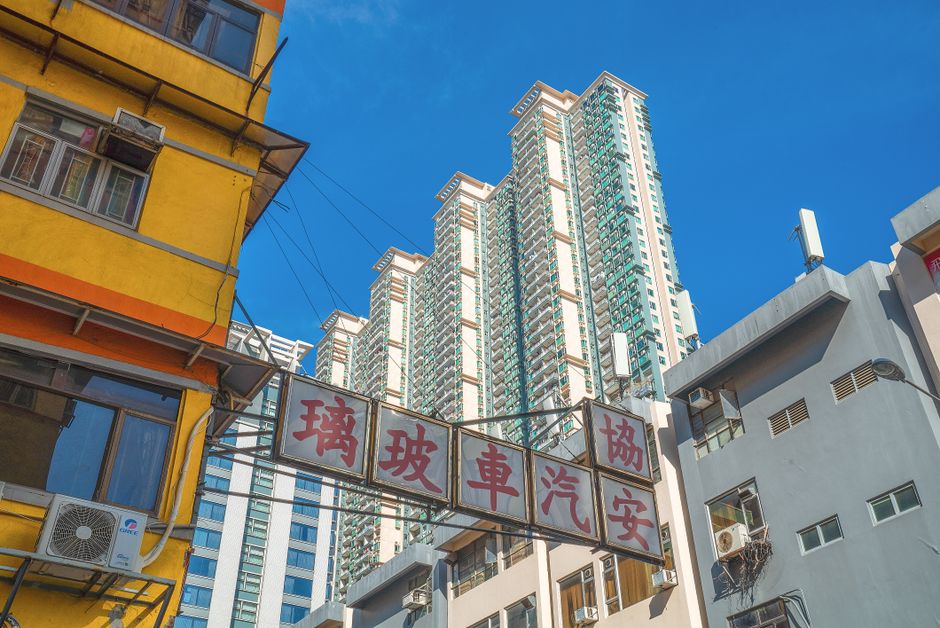
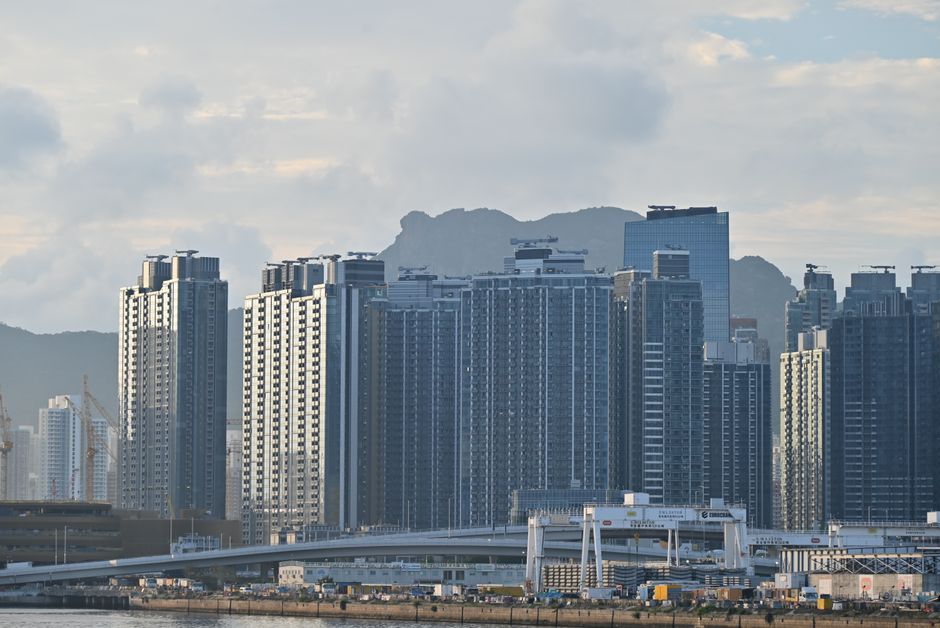
Tseung Kwan O, once dismissed as a sleepy satellite town on Hong Kong's eastern fringe, is experiencing a dramatic shift in investor sentiment. Recent government approvals for major residential developments and infrastructure improvements have positioned the New Territories suburb as the most compelling value proposition in Hong Kong's property market today.
Over the past eighteen months, the Urban Planning Committee has greenlit five significant projects in and around the Tseung Kwan O New Town area, with combined residential units exceeding 4,500 flats. Prices in the district currently hover between HKD 5.2 million to HKD 7.8 million for median units—a 30-35% discount compared to equivalent Kowloon properties and nearly 40% below Peak district equivalents. For investors with medium-term horizons, the mathematics are compelling.
The catalyst extends beyond individual projects. The MTR Tseung Kwan O Line extension, with completion targeted for 2028, will add three new stations and dramatically reduce commute times to Central and Causeway Bay. Simultaneously, the Tseung Kwan O Industrial Estate has attracted significant tech and advanced manufacturing operators, creating genuine local employment beyond traditional service roles.
Developers have responded aggressively. Major firms have acquired multiple sites along Clearwater Bay Road and near the Hang Hau MTR interchange. One recently approved scheme will deliver 1,200 apartments across a mixed-use complex anchored by retail and office space. Another, positioned on reclaimed land near the waterfront, includes a significant hotel component—indicating genuine confidence in the area's economic trajectory.
The neighbourhood amenities narrative has shifted too. The Tseung Kwan O Hospital expansion, completed in 2024, has enhanced healthcare accessibility. International schools including Discovery College and multiple higher-tier local institutions now cluster around the district. The Tseung Kwan O Park and waterfront promenades offer lifestyle benefits rarely advertised from traditional property marketing.
Market data supports the momentum. Transaction volumes in Tseung Kwan O rose 22% year-on-year through the first half of 2026, while average selling prices climbed 8.4%—outpacing both New Territories and island district growth rates. First-time buyers comprise 41% of purchasers, suggesting genuine owner-occupier demand alongside investor activity.
Property consultants note that regulatory tailwinds matter too. The government's eased stamp duty framework for foreign buyers applies uniformly across districts, but Tseung Kwan O's lower entry price point makes the absolute tax burden more palatable for international capital.
Tseung Kwan O represents a rare convergence: genuine infrastructure advancement, developer conviction, local population growth, and valuations still disconnected from fundamentals. For investors with three-to-five-year horizons, the risk-reward calculus appears distinctly favourable.
This article was compiled by AI from the sources linked above and screened before publishing. See our editorial standards.