This article was generated by AI from the linked public sources. The Daily Hong Kong is independently owned and covers Hong Kong news free from advertiser or sponsor influence. Read our editorial standards →
Hong Kong's property auction market has turned into a candid mirror of investor sentiment. With clearance rates hovering near decade lows, the signals flashing across Kowloon, the New Territories, and the Mid-Levels are impossible to ignore for landlords reassessing their yield expectations.
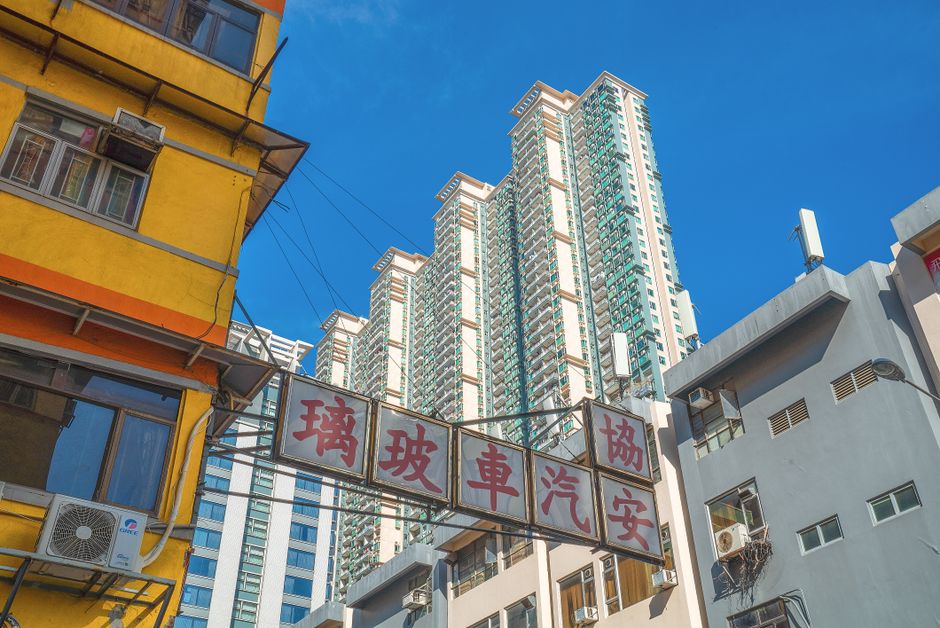
The story begins with supply. Industrial and commercial lots across Kwai Chung and Tsuen Wan have attracted record bids despite softer residential momentum, suggesting developers are hedging. Meanwhile, residential auction results in Kowloon—traditionally the sweet spot for mid-tier rentals—show prices stalling, even as asking rents climb. A two-bedroom in Mong Kok or Sham Shui Po that might have fetched HKD 5.2–5.8 million two years ago is now moving at HKD 5.5–6.0 million, narrowing the gap between purchase price and achievable rental yield to levels not seen since 2019.
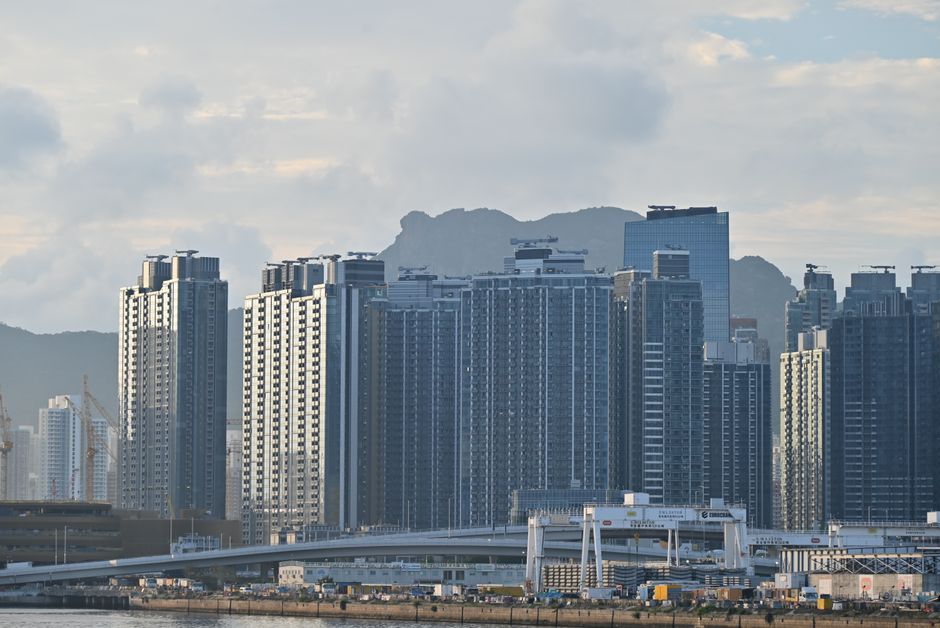
The New Territories tell a different story. Properties in Tuen Mun and Yuen Long have seen modest price gains paired with robust tenant demand, creating a rare sweet spot. A three-bedroom villa in Tuen Mun at HKD 7–8 million can still generate 2.8–3.2 per cent gross yields, well above the broader market average of 2.2 per cent in Central or the Peak. Auction clearance rates in these areas remain above 65 per cent, compared to 55 per cent citywide.
What does this signal? First, bulk investors are rotating downmarket. Second, yield compression is real and structural—stamp duty relief for foreign buyers has inflated prices without proportionally lifting rents. Third, landlords chasing headline rental figures in Kowloon are taking on execution risk; tenant turnover and void periods erode margins faster than headline yields suggest.
For the practical landlord, the auction data whispers three tactical lessons. One: scrutinise neighbourhood-specific rental trends, not citywide averages. Two: factor in rising maintenance costs and property tax; the urban renewal push around areas like Mong Kok is driving compliance costs upward. Three: auction clearance rates below 60 per cent suggest buyer hesitation—a signal to negotiate harder on off-market deals rather than chase competitive bidding.
The question now is whether this divergence persists. If New Territories yields remain above 3 per cent while Kowloon and the Peak compress further, capital will follow predictably. Auction rooms across Hong Kong are already whispering the verdict. Landlords who listen will adjust their portfolios before prices catch up.
This article was compiled by AI from the sources linked above and screened before publishing. See our editorial standards.
Covering property in Hong Kong. This article was generated by AI from the linked sources and was not reviewed by a human editor before publishing. See our editorial standards.