Property
New Kowloon Tower Signals Shift in Hong Kong's Housing Supply Battle
A 500-unit residential development in Mong Kok could reshape affordability dynamics across the densest district.
3 min read
Updated 1 d ago
Property
A 500-unit residential development in Mong Kok could reshape affordability dynamics across the densest district.
3 min read
Updated 1 d ago
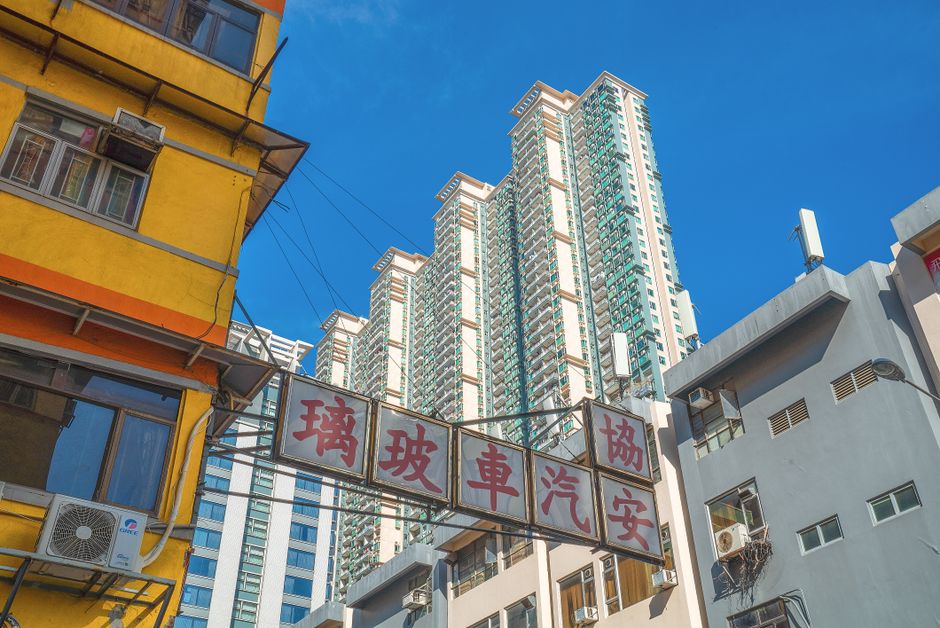
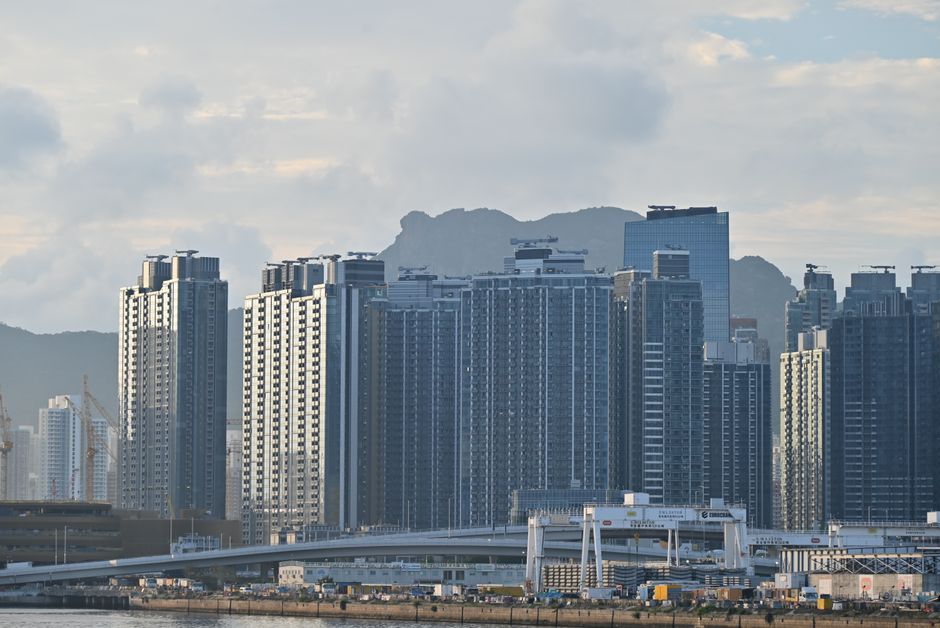
The Urban Renewal Authority's approval of a mixed-use tower on Nelson Street in Mong Kok, set to deliver 500 apartments by 2029, marks a pivotal moment in Hong Kong's perpetually constrained housing market. The project, budgeted to inject units ranging from 400 to 1,200 square feet, underscores a critical shift: developers and planners are finally targeting the mid-market sweet spot where genuine supply gaps exist.
For years, Hong Kong's development narrative has tilted heavily toward luxury. The Peak and Mid-Levels continue commanding stratospheric prices—units regularly exceeding HKD 30 million—while New Territories projects absorb investor capital seeking comparatively affordable entry points around HKD 5-7 million. The HKD 8-10 million median, meanwhile, has remained stubbornly difficult to access. Kowloon, traditionally the bridge between extremes, has seen supply stagnate as aging buildings resist redevelopment and vacant lots shrink.
The Mong Kok development arrives as stamp duty concessions for foreign buyers, introduced in 2024, have modestly expanded the buyer pool without solving structural undersupply. Local agents report that apartments in the HKD 7-10 million range—prime for young families and upgraders—turn over within weeks of listing, often above asking. The new tower's estimated pricing, anchored toward this middle band, could absorb genuine demand rather than feed speculative cycles.
Location matters enormously. Mong Kok sits equidistant from Kowloon's employment hubs—offices cluster along Prince Edward Road and along the harbour—while remaining pedestrian-friendly to MTR stations. Unlike peripheral New Territories developments requiring 45-minute commutes, Nelson Street residents face manageable travel times to Central, Tsim Sha Tsui, and Kwun Tong. This proximity typically commands a 15-20% premium over comparable New Territories units, yet remains substantially below Kowloon Tong or Ho Man Tin equivalents.
The broader implication: if developers recognise mid-market viability, a pipeline could follow. The Housing Authority and URA possess portfolios of aging properties across Mong Kok, Sham Shui Po, and Cheung Sha Wan—precisely the supply lever that has been absent. One-off towers cannot solve a systemic shortfall of roughly 300,000 units citywide, yet they signal that planning authorities are nudging the development calculus toward attainability rather than pure luxury maximisation.
For investors holding mid-tier Kowloon units, the Nelson Street announcement likely signals modest downward pressure on price-per-square-foot premiums as supply approaches demand. For first-time buyers, it offers genuine hope—though timing and price remain to be negotiated once sales commence in late 2028.
This article was compiled by AI from the sources linked above and screened before publishing. See our editorial standards.
About this article
Published by The Daily Hong Kong
Spread the word
Daily brief
Free, in your inbox before 7am. Weekdays.
Before you go
The day's Hong Kong news in a 2-minute read. Free, weekday mornings.