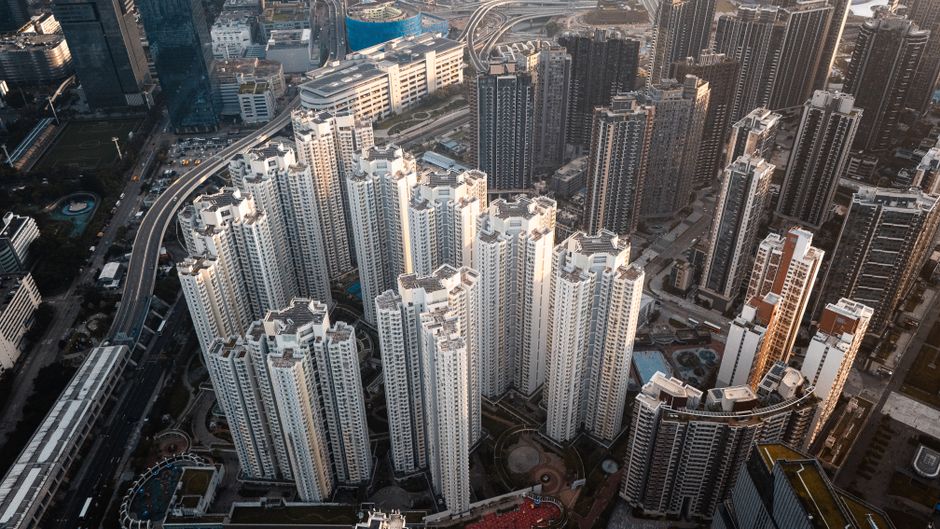
Hong Kong's ultra-luxury property market has long traded on heritage and postcode prestige. But a wave of ambitious new developments is tilting the calculus, forcing established neighbourhoods to compete on amenities, design philosophy, and experiential value rather than pedigree alone.
The most visible battleground is the Peak District, where several high-profile projects have commenced construction this year. These aren't boutique affairs: they're substantial mixed-use developments promising bespoke services, wellness facilities, and architectural statements that rival anything across the harbour. For prospective buyers eyeing the neighbourhood—where median prices hover around HKD 130,000–150,000 per square foot—new supply is reshaping expectations about what a HKD 80–150 million residence should deliver beyond its address.
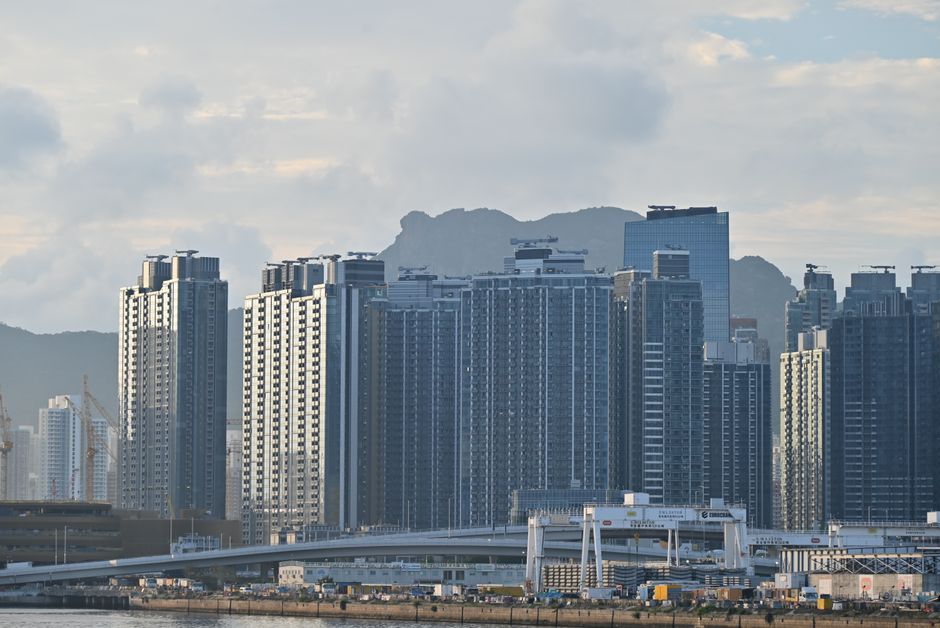
Equally significant is the transformation unfolding along Kowloon's waterfront. Projects in Tsim Sha Tsui and West Kowloon are attracting international capital that previously gravitated toward Central or Mid-Levels. The strategic opening of new cultural institutions, complemented by private residential towers offering branded concierge services and world-class gyms, has elevated the entire corridor's residential cachet. For developers, the calculus is clear: location remains paramount, but it's no longer sufficient in isolation.
Real estate consultants tracking the segment note that these developments are filtering down market psychology. Buyers at the HKD 30–50 million tier—historically Mid-Levels territory—are now comparing their options against New Territories satellite developments offering more space, amenities, and, crucially, newer infrastructure. This diffusion of prestige has compressed pricing power in some traditionally exclusive pockets, even as flagship projects command premium multiples.
Stamp duty relief for foreign buyers, eased in 2025, has amplified demand for new ultra-premium stock. International investors view turnkey, brand-new developments as lower friction than acquiring older stock requiring renovation or management complications. The result: off-the-plan sales for major projects are absorbing buyer interest that might otherwise have sustained secondary-market momentum in established luxury enclaves.
The narrative around these projects extends beyond square footage and amenities. They're becoming cultural markers—statements about Hong Kong's property market's maturity and its capacity to innovate within severe land constraints. A development offering integrated wellness, art collections, or sustainability certifications signals to ultra-high-net-worth individuals that the city remains globally competitive.
Yet questions linger. Will new prestige developments ultimately strengthen or cannibalize established ultra-prime neighbourhoods? Early data suggests both. Projects in emerging zones pull buyers who value novelty; established enclaves retain those prioritizing heritage and proven demand. The next 18 months will clarify whether Hong Kong's ultra-luxury market is expanding—or merely redistributing finite wealth across new addresses.
This article was compiled by AI from the sources linked above and screened before publishing. See our editorial standards.