For decades, Hong Kong landlords have treated Mong Kok and Causeway Bay as the gold standard for rental yield. But a quiet revolution is reshaping the investment property map, and Tseung Kwan O is leading the charge.
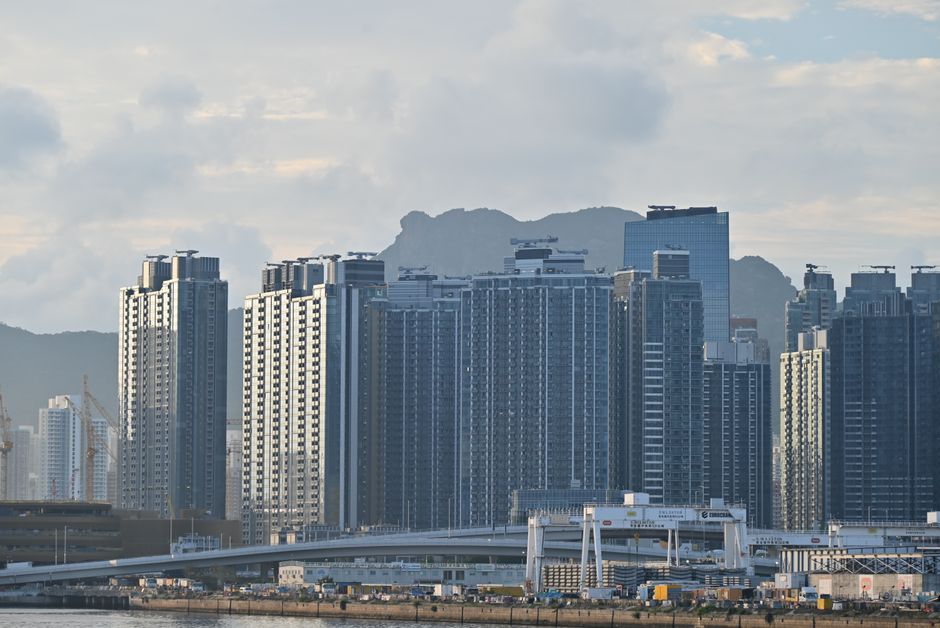
The sprawling New Territories suburb, once dismissed as a dormitory zone for commuters, has matured into a genuine investment hotspot. A two-bedroom flat in Lohas Park or PopCorn now commands annual rental yields of 3.5–4.2 per cent—a far cry from the sub-2.5 per cent returns plaguing prime Kowloon addresses. Transaction data from the first half of 2026 shows that modest units near the MTR stations and Tseung Kwan O waterfront promenade are moving faster than comparable stock in ageing Sham Shui Po buildings.
What's driving the shift? Infrastructure maturity and demographic tailwinds. The MTR Tseung Kwan O Line extension has slashed commute times to Central; new schools and healthcare facilities have attracted young families; and crucially, entry prices remain accessible. A 500-square-foot unit here trades for roughly HKD 6–7 million, compared to HKD 9–11 million across the harbour in North Point.
Smart landlords are capitalising on tenant demand. The suburb's population grew by nearly 8 per cent over three years, outpacing Hong Kong's overall growth rate. Professional renters—IT staff, finance workers, and expat families—increasingly bypass cramped Mong Kok cubicles for modern Tseung Kwan O apartments with balconies and amenities. Operators of co-living spaces have already staked claims near LOHAS Park MTR, signalling confidence in sustained occupancy.
For would-be investors, the lesson is clear: location arbitrage still works. Buy where fundamentals improve faster than sentiment catches up. Tseung Kwan O ticks that box—solid transport links, rising household income, and fresh supply bringing genuine capital appreciation prospects alongside respectable yields.
One caveat: oversupply risks loom. New residential projects are in the pipeline, and rental growth may plateau if vacancy rates tick upward. Experienced landlords are also factoring in the softer macroeconomic backdrop affecting Hong Kong's expatriate community.
The takeaway? Tseung Kwan O's window as a yield-and-growth play remains open—but it won't stay overlooked for long. Investors eyeing entry points should move decisively, secure quality tenants, and manage expectations for capital gains rather than chase the speculative thrills of the 2015–2021 cycle. The New Territories' time as Hong Kong's investment frontier has arrived.
This article was compiled by AI from the sources linked above and screened before publishing. See our editorial standards.