The luxury property market in Hong Kong's most coveted addresses—The Peak, Mid-Levels, and parts of Repulse Bay—is experiencing a distinct moment of momentum that extends well beyond cyclical market churn. After years of caution, wealthy international buyers are re-entering, attracted by stamp duty concessions introduced for non-residents and a stronger appetite for trophy assets in a post-pandemic world.
Recent transactions tell the story. Properties on Peak Road and The Peak Lookout continue to command prices exceeding HKD 200,000 per square foot for premium units, with some penthouses approaching HKD 500 million. The shift, analysts note, isn't merely about recovery—it reflects structural changes in who is buying and why.
The stamp duty easing has proven a genuine catalyst. Foreign buyers now face a marginal reduction in acquisition costs, making the 15–20% duty burden less punitive than before. Simultaneously, the relaxation of mortgage restrictions for non-residents has unlocked financing pathways previously unavailable, opening the market to serious international investors who had been priced out by transaction friction.
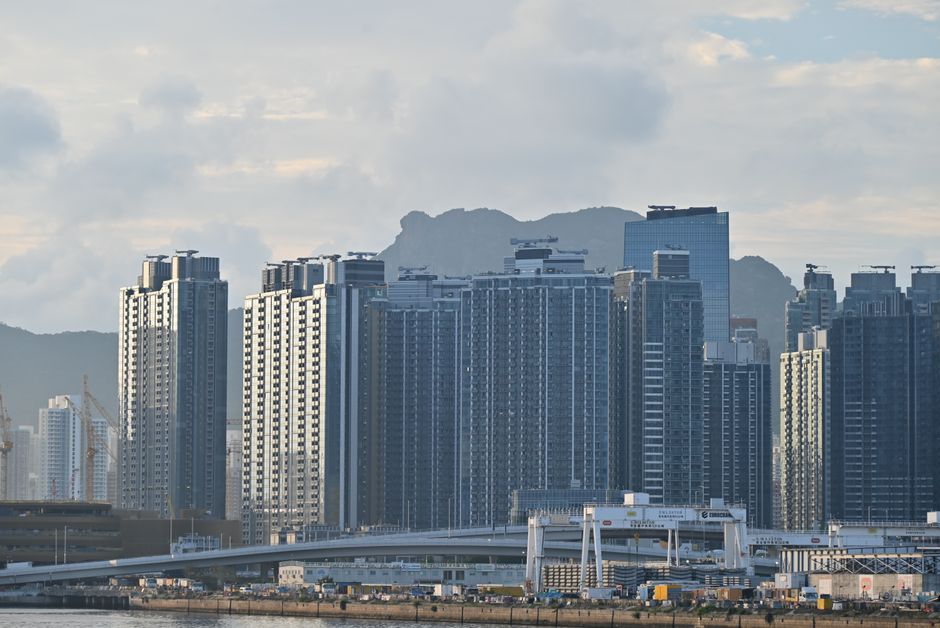
But price elevation is not uniform across the luxury segment. While iconic Mid-Levels addresses like Conduit Road and the Peak Tram corridor remain aspirational, newer luxury developments in Kowloon—particularly in West Kowloon's cultural quarter and emerging pockets near the MTR network—are attracting a different buyer profile: younger wealth, tech entrepreneurs, and families prioritising connectivity over pure postcode prestige. These areas trade at HKD 80,000–120,000 per square foot, a material discount to traditional havens.
Currency and capital flows matter profoundly. The return of Mainland Chinese capital, increasingly deployed through Hong Kong-based family offices, has reignited competition for ultra-prime stock. Simultaneously, wealth migration from Southeast Asia and the Middle East continues, with buyers viewing Hong Kong property as a stable, internationally recognised asset class—especially given property tax certainty and low holding costs.
What buyers must understand now: the market is bifurcated. Ultra-prime (Peak, Mid-Levels, Repulse Bay) remains supply-constrained and driven by scarcity value; prices here are resilient but selective. Luxury outside these enclaves offers better value and rental yield potential, particularly in new projects near Central, Causeway Bay, or West Kowloon cultural venues.
Second, foreign buyer interest is real but discerning. Purchasing power has shifted; buyers now demand architectural distinction, sustainability credentials, and proximity to international schools and amenities. Vanilla luxury towers no longer command premiums.
Finally, timing matters less than fundamentals. Hong Kong's ultra-wealth cohort remains substantial, foreign capital has reopened flows, and regulatory friction has eased. The luxury market isn't in a speculative bubble; it is adjusting to new realities of global capital and local desirability.
This article was compiled by AI from the sources linked above and screened before publishing. See our editorial standards.