This article was generated by AI from the linked public sources. The Daily Hong Kong is independently owned and covers Hong Kong news free from advertiser or sponsor influence. Read our editorial standards →
Hong Kong's property market is sending contradictory messages in mid-2026. While auction clearance rates have dipped to concerning lows—recently hovering around 40-50% at major venues like Sotheby's and Christie's Hong Kong—selective price data tells a more nuanced story about where capital is moving and what buyers will actually pay.
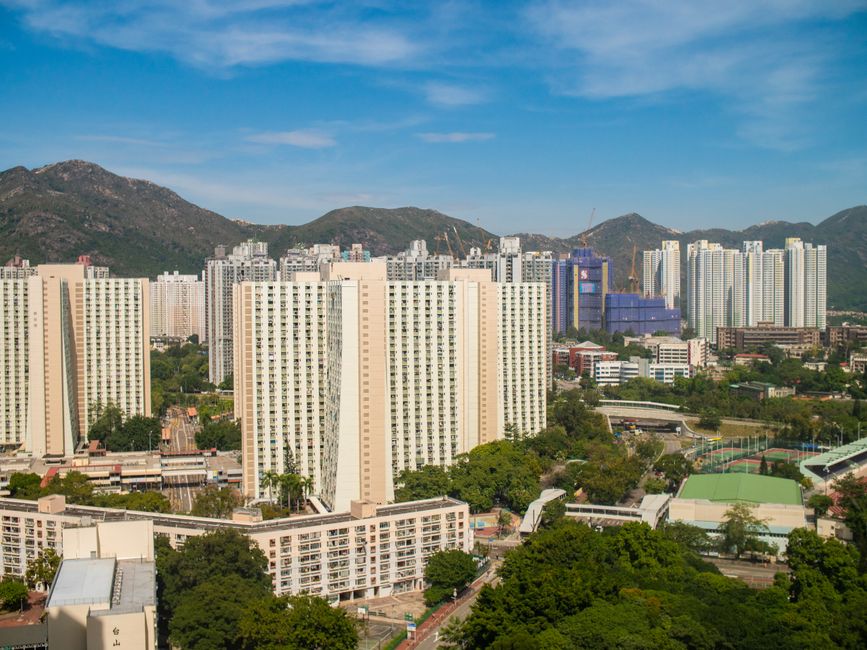
The median flat price remains trapped in the HKD 8-10 million band for the broader market, a plateau that reflects neither the optimism of 2021 nor the capitulation many feared. Yet within this headline figure lies a telling divergence. The New Territories, particularly areas like Tuen Mun and Yuen Long, have seen modest but steady absorption of inventory at lower price points—typically HKD 4-6 million for practical three-bedroom units. This suggests middle-income families are quietly repositioning themselves away from Kowloon's tighter mid-tier corridors and towards outer regions where space-to-dollar ratios remain defensible.
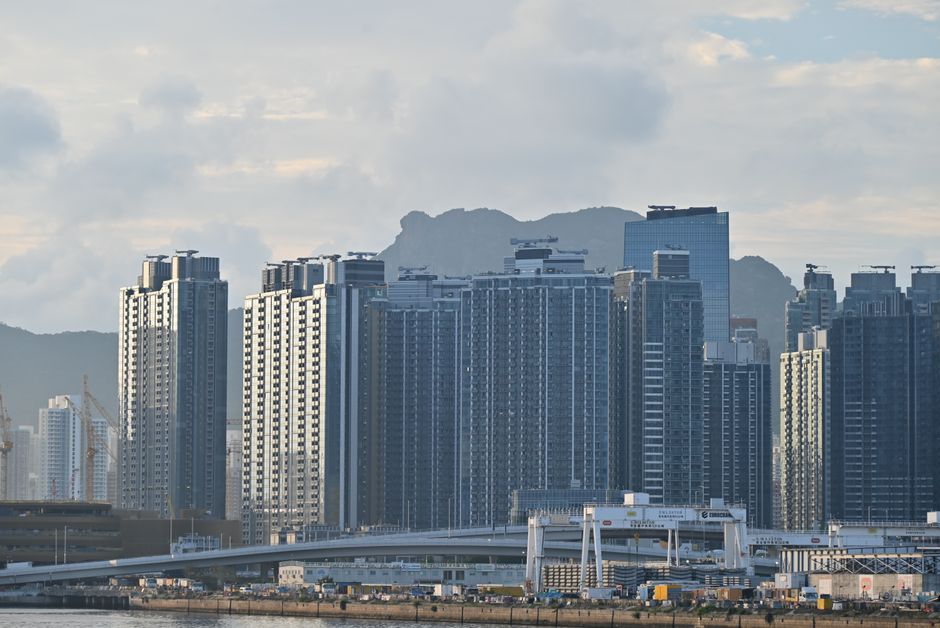
Conversely, luxury segments tell a sharper story. Recent auction results for Peak and Mid-Levels properties show buyers willing to maintain asking prices for exceptional stock—penthouses and harbourview residences above HKD 80 million continue to transact, albeit selectively. This bifurcation indicates wealth concentration, not broad-based recovery. First-time buyers and young families are effectively priced out of districts like Central, Causeway Bay, and Mong Kok, where per-square-foot valuations have not materially declined despite softer transaction volumes.
The easing of stamp duty for foreign buyers was intended to unlock demand, and limited evidence suggests it has attracted ultra-high-net-worth purchasers for trophy assets. But it has not fundamentally widened the buyer pool for the HKD 8-12 million bracket—the heart of the residential market where most working professionals once aspired to own.
Private treaty sales data from Knight Frank and Cushman & Wakefield reveal another signal: developers are extending completion periods and offering small price adjustments rather than headline reductions, preserving the appearance of value while quietly negotiating on timing and terms. This suggests they expect prices to stabilise rather than retreat further, a cautiously bullish interpretation of current headwinds.
What the numbers reveal, ultimately, is a market in correction but not crisis—one where capital is highly selective, geographical arbitrage favours the outer territories, and affordability for ordinary Hongkongers remains a structural problem rather than a cyclical one. Auction clearance rates matter less than understanding where money is actually flowing.
This article was compiled by AI from the sources linked above and screened before publishing. See our editorial standards.
Covering property in Hong Kong. This article was generated by AI from the linked sources and was not reviewed by a human editor before publishing. See our editorial standards.