The gap between planning approvals and actual developer momentum has widened considerably this quarter, and the numbers tell a cautionary tale that Hong Kong's property sector refuses to ignore.
New projects receiving Land Development Corporation clearance in areas like Kai Tak and Yuen Long have accelerated, yet auction results from completed units in comparable locations reveal a market pricing discipline that was absent just 18 months ago. A recent sale of a 650-square-foot unit in the Tuen Mun waterfront development fetched HKD 6.2 million—a 12 per cent discount from developer asking prices published six months earlier. This pattern is repeating across the New Territories, where median prices for new flats now hover around HKD 7.8 million, compared to the Hong Kong-wide median of HKD 8–10 million.
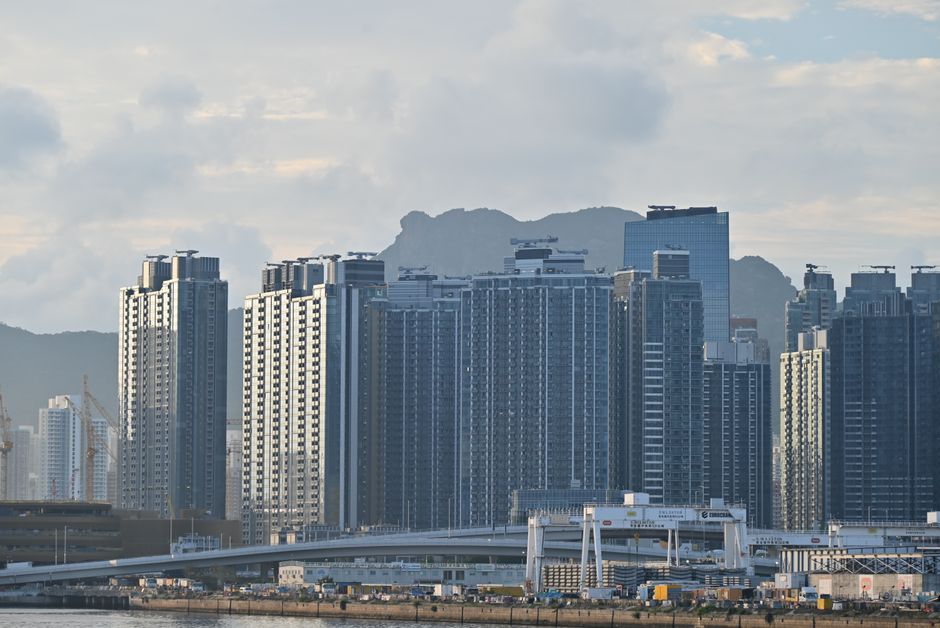
The signals matter because they reveal what developers genuinely expect, rather than what official optimism suggests. Kowloon's mid-tier precincts—notably around Hung Hom and To Kwa Wan, where MTR connectivity is driving fresh approvals—have seen asking prices stabilise rather than climb. Secondary market auctions in these zones show velocity returning, but not at the premiums that would justify aggressive new supply.
For luxury segments, the picture diverges sharply. Units in newly completed projects on the Peak and Mid-Levels have maintained price discipline, with several achieving or exceeding developer asking prices at private treaty sales. This suggests institutional appetite remains intact at the ultra-prime end, even as first-time buyers and upgraders tighten their wallets.
The easing of stamp duty for foreign buyers, implemented earlier this year, has provided modest tailwind to transaction volume rather than a price explosion. Auction houses report international interest picking up in portfolio units across Causeway Bay and Central, but not at the velocity that would justify developers rushing projects to market ahead of schedule.
What emerges is a developer class reading the same market signals as investors: interest-rate expectations remain uncertain, inventory in completed projects remains ample, and buyer psychology has shifted from scarcity-driven to value-conscious. Approvals for new projects in areas like Fanling and Sha Tin continue to flow from the Urban Renewal Authority and private landholders, yet construction timelines are being stretched. Developers appear willing to secure land and permits today while deferring major marketing spend until transaction velocity genuinely accelerates.
For Hong Kong's property market, that restraint may ultimately prove healthier than the supply-shock scenarios that regulatory bodies initially feared. But it also signals that the next development wave will arrive when prices and auction outcomes give clearer permission—not when approvals alone suggest it is time.
This article was compiled by AI from the sources linked above and screened before publishing. See our editorial standards.