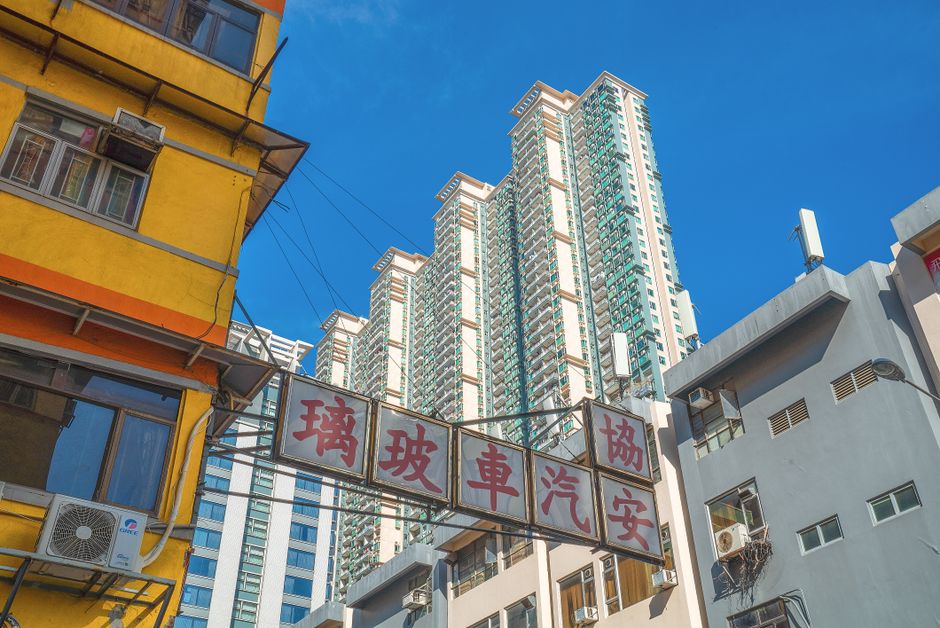
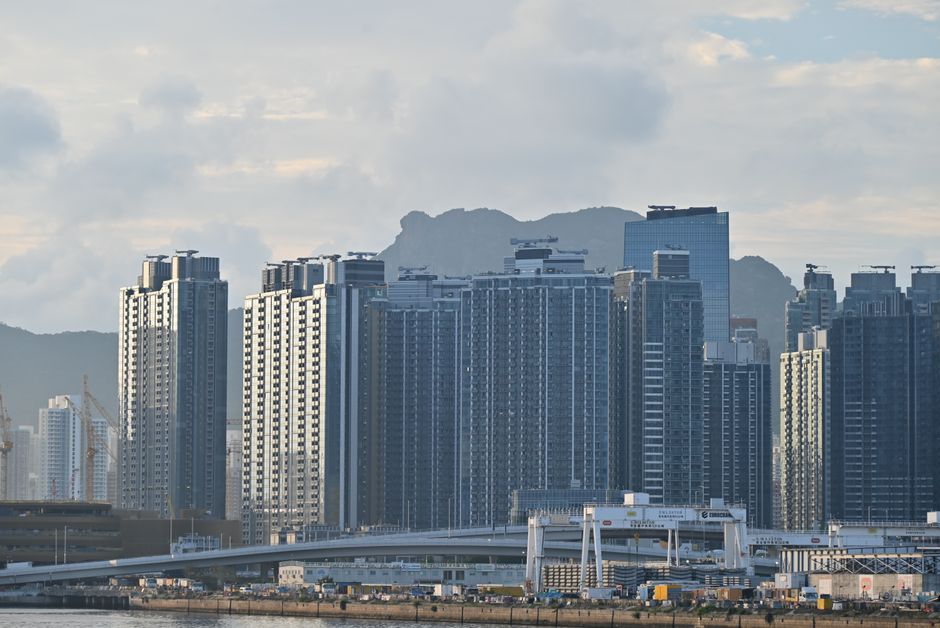
The rental market's squeeze is reshaping Hong Kong's property ladder in unexpected ways. As median flat prices hover around HKD 8–10 million, first-time buyers are increasingly squeezed between steep entry costs and rental inflation that erodes their deposit-building capacity each month.
In neighbourhoods like Mong Kok and Causeway Bay, where studio flats now command upwards of HKD 18,000–22,000 monthly, young professionals saving for down payments find themselves trapped. "I'm paying more rent today than I would mortgage on a flat," is a refrain heard regularly among Millennials and Gen-Z renters across Kowloon. Meanwhile, landlords in these same districts face a paradox: while nominal rents have risen, regulatory pressures—including enhanced tenant protections and stricter licensing requirements—have compressed margins.
The New Territories presents a different dynamic. Neighbourhoods like Tai Po and Fanling, traditionally more affordable for first-time buyers at HKD 5–6 million entry points, are seeing rental demand surge as tenants flee high-rent urban cores. Yet supply remains constrained, pushing rents up even in these zones and paradoxically making them less accessible to the very buyers they once served.
Government support mechanisms exist but face visibility and uptake challenges. First-home buyer stamp duty concessions and mortgage insurance schemes administered through the Hong Kong Monetary Authority offer genuine relief—potentially reducing upfront costs by 5–10 per cent. However, these benefits pale against the dual headwind of high rents and elevated mortgage rates, which have climbed to around 3–3.5 per cent in recent months.
For landlords, the situation is equally precarious. Rental yields in prime areas like Mid-Levels and the Peak have compressed to below 2 per cent annually, pushing many to exit the rental market entirely and convert units to holiday lets or leave them vacant—a phenomenon that exacerbates the shortage that keeps rents inflated. Smaller landlords in older buildings along Nathan Road or Hennessy Road increasingly struggle to justify holding rental properties at all.
Industry bodies like the Real Estate Developers' Association and various tenant advocacy groups agree on one point: the rental market's dysfunction is delaying property ownership dreams across income tiers. Government initiatives addressing vulnerable overseas families and stamp duty relief for foreign buyers have helped at the margins, but do little for local renters caught in the middle.
The path forward likely requires coordinated action: rent stabilisation dialogue, accelerated housing supply, and simplified mortgage access for first-time buyers. Until then, aspiring homeowners remain financially tethered to an increasingly unforgiving rental landscape.
This article was compiled by AI from the sources linked above and screened before publishing. See our editorial standards.