Hong Kong's property investment landscape is shifting beneath investors' feet. With the MTR expansion into the New Territories gaining momentum and waterfront revitalisation projects advancing in areas like Kai Tak and Tuen Mun, landlords face a crucial question: which emerging neighbourhoods offer genuine yield uplift, and which are priced for hype?
Recent data suggests rental yields across Hong Kong's core districts have compressed to 2-2.5%, a sobering reality for investors accustomed to higher returns. Yet pockets of opportunity exist—particularly where new transport links and mixed-use developments promise to unlock previously underutilised areas. The upcoming Tuen Mun-Chek Lap Kok Link, due for completion in 2029, exemplifies this dynamic. Property along the western corridor is already attracting investor interest, with some studios and one-bedroom units near Tuen Mun Station trading at more accessible entry points than Causeway Bay or Central.
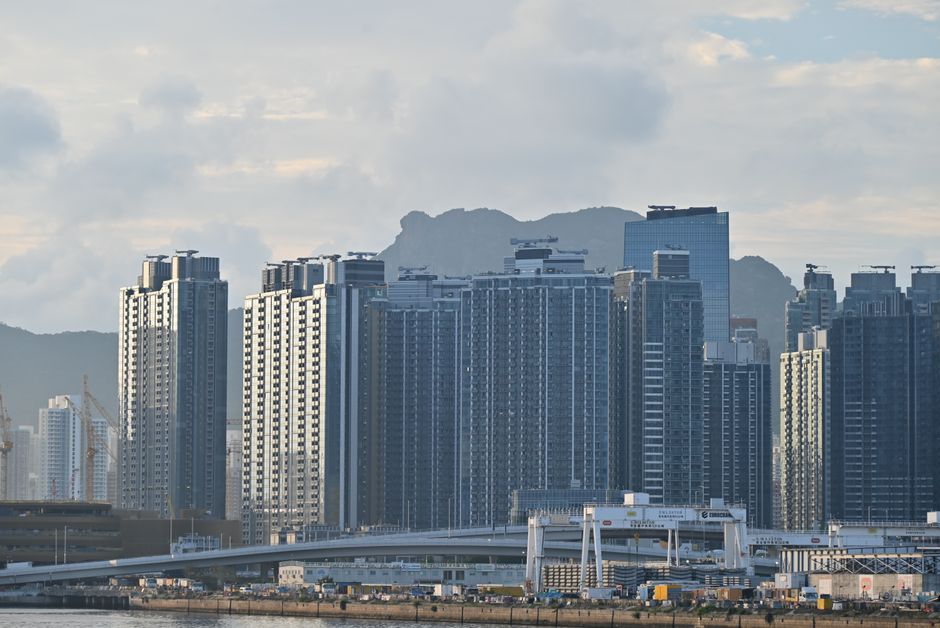
The Kai Tak Development Area presents another case study. Once dismissed as remote, the district's combination of public housing, private residential towers and a new metro line is reshaping its demographic profile. Mid-market flats—the 400-500 sq ft range that anchors the family rental segment—are seeing modest but steady appreciation, with gross yields hovering around 2.8-3.2%. Investors who positioned early now benefit from organic tenant demand driven by proximity to schools in Wong Tai Sin and employment hubs in Quarry Bay.
However, success requires discipline. Developers flooding markets with new supply can erode yields temporarily, particularly in areas like Lohas Park or Park Central, where oversupply pressures rents despite excellent transport access. Smart investors are focusing on submarkets where infrastructure precedes residential saturation—a narrowing window in Hong Kong's densely built landscape.
The shift also affects property management fundamentals. Neighbourhoods experiencing gentrification—think the revival of heritage districts around Central and Sheung Wan—attract quality tenants willing to pay premiums for lifestyle amenities. Conversely, purely transactional rental markets, common in New Territories' older stock, demand leaner operational margins and longer holding periods.
For landlords reviewing portfolios, the lesson is clear: blanket yield strategies no longer work. Understanding local development timelines, demographic flows and transport integration is as critical as purchase price. The investors capitalising on Hong Kong's ongoing transformation aren't chasing headlines—they're studying planning documents and tenant pipelines, positioning capital where supply constraints meet genuine demand shifts. In a market where median flat prices still exceed HKD 8 million, that disciplined approach separates sustainable returns from expensive mistakes.
This article was compiled by AI from the sources linked above and screened before publishing. See our editorial standards.