The path to homeownership in Hong Kong has always been steep. But in 2026, first-time buyers face an unexpected headwind: the rental market is eating into their deposit savings faster than ever.
Average rents in core districts have climbed sharply. A one-bedroom flat in Mong Kok now commands HKD 18,000–22,000 monthly—up nearly 15% year-on-year. Causeway Bay and Wan Chai tell similar stories. For a young professional saving toward the HKD 2–3 million down payment required for an entry-level New Territories flat, these rents represent a genuine barrier.
"The rental squeeze is creating a vicious cycle," explains a mortgage broker familiar with the market. "Tenants are spending 40–50% of their income on rent. That leaves very little for savings or mortgage qualification." Banks currently demand proof of liquid savings equivalent to 20–30% of a property's purchase price—a threshold now further from reach for renters struggling with elevated monthly costs.
Meanwhile, landlords are experiencing peak leverage. Yield-conscious investors have snapped up units across Kowloon and the New Territories, betting on sustained rental growth. A HKD 4 million investment property generating HKD 25,000 monthly rent delivers an attractive 7.5% gross yield—outpacing many equities. This investment appetite has inflated prices, pricing out owner-occupiers while enriching the rental class.
The government's recent easing of stamp duty for foreign buyers—intended to stimulate the luxury sector—has inadvertently exacerbated the tension. Capital flowing into high-end properties around the Peak and Mid-Levels has trickled down, pushing mid-tier residential values upward and making rental arbitrage more attractive to smaller investors.
What does this mean for first-home buyers? The Finance Department offers limited schemes. The Home Ownership Scheme and Starter Homes initiatives remain oversubscribed, with waiting lists stretching years. Private banks have tightened mortgage criteria, particularly for buyers without substantial equity buffers. Some lenders now require 10% down payments upfront—before formal approval—a gatekeeping tactic that favours existing wealth.
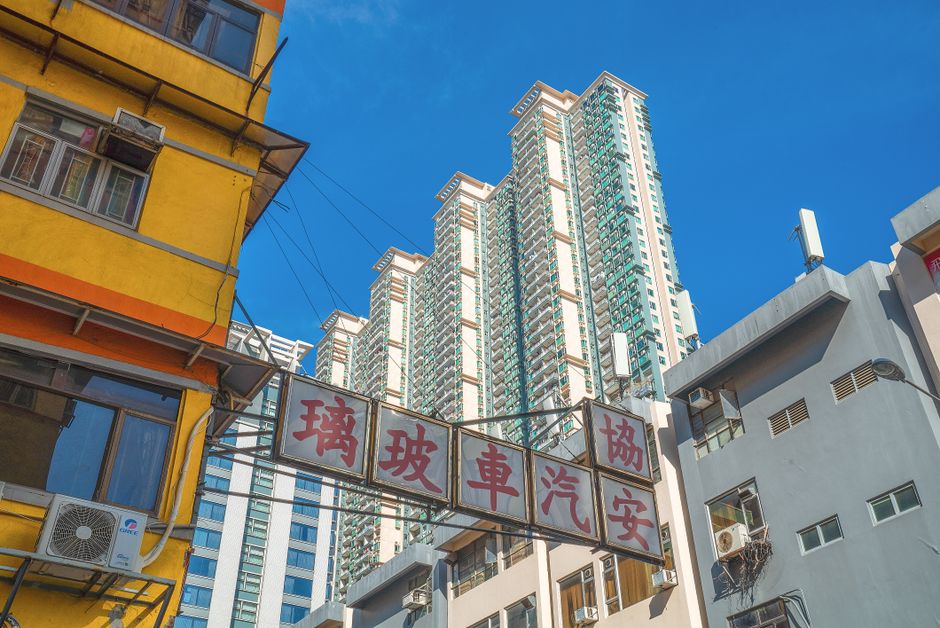
For tenants in Sham Shui Po or Cheung Sha Wan—historically affordable neighbourhoods now under rental pressure—the dream of ownership feels increasingly distant. Landlords, conversely, report robust demand and minimal vacancy risk. This structural imbalance is reshaping Hong Kong's property demographics: younger, renting populations clustering in outer New Territories satellites, while investor-owned units concentrate in inner-city cores.
The window for first-time buyers may be narrowing. Rising rents and stricter mortgage terms are locking out a generation just as prices stabilise. Without policy intervention—targeted savings schemes or rental controls—Hong Kong risks deepening its divide between owner and tenant.
This article was compiled by AI from the sources linked above and screened before publishing. See our editorial standards.